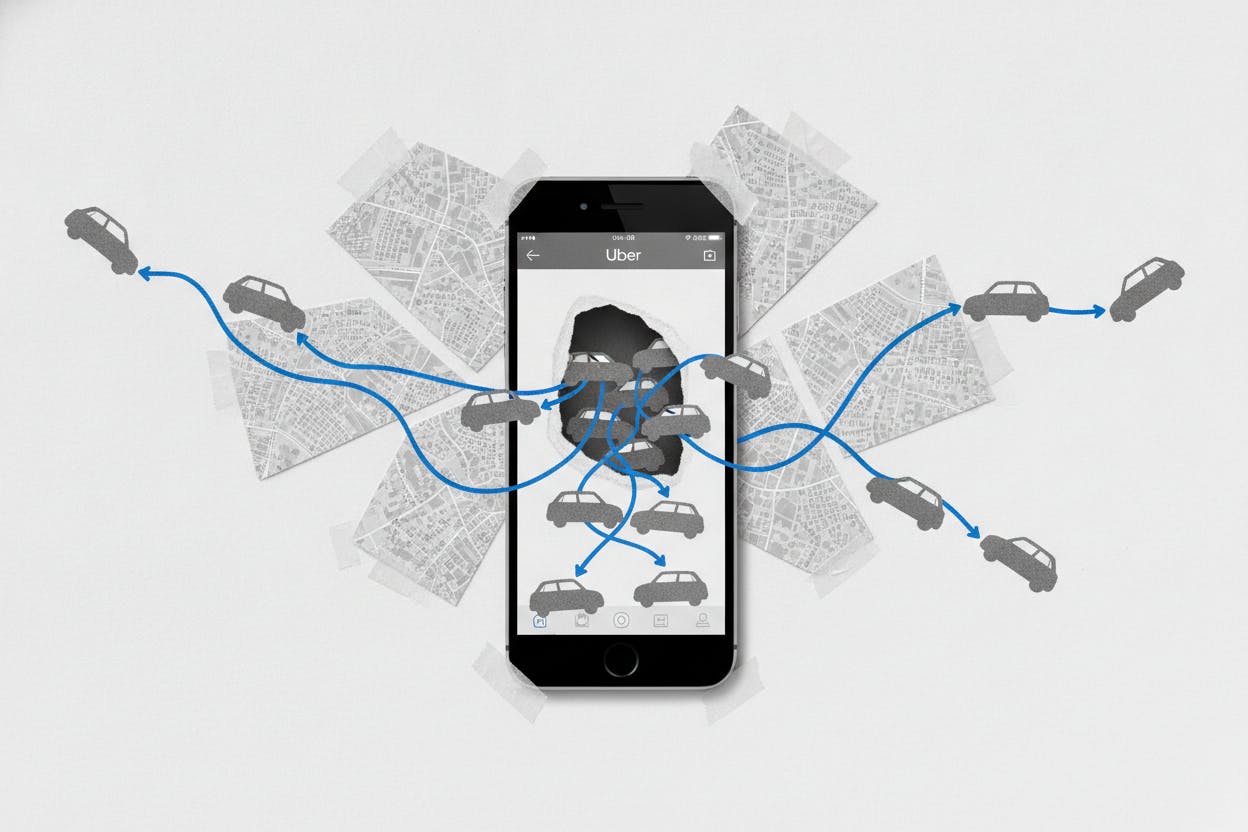
Uber is doubling down on a strategy that could define the next era of ride-hailing: becoming the platform that connects riders with self-driving car fleets. According to a note from Wedbush, trips booked through Uber's autonomous-vehicle (AV) partners have surged tenfold compared to a year ago, with the service now live in eight cities and a goal of expanding to about 15 by the end of 2026.
What's driving the growth?
The sharp increase in AV trips reflects a broader shift in how Uber views its role in the transportation ecosystem. Rather than building its own self-driving cars, Uber is leaning on its existing strengths: a massive rider base, a reliable payment system, and a brand that people already trust for getting around. AV fleet operators—companies that own and manage the self-driving vehicles—can plug into Uber's platform to access demand without having to build their own app or attract customers from scratch.
Wedbush highlighted that self-driving technology could lift multiple players, including Tesla and Alphabet's Waymo, but argued that Uber's key advantage is distribution. In the early stages of AV rollout, the market is fragmented. Many separate fleets are operating in different cities, and without a large marketplace to feed them riders, those cars could sit idle. Uber wants to be the connective tissue that solves that problem.
Why this matters for investors
For everyday investors, the significance lies in Uber's potential to capture value from the AV revolution without taking on the heavy costs and risks of developing the technology itself. Building self-driving cars is capital-intensive and technically challenging, with years of testing and regulatory hurdles. By contrast, operating a marketplace is a lighter-asset model that can scale quickly as more AV fleets come online.
Wedbush's note suggests that Uber's AV trips are already growing at a rapid clip, which could signal that the strategy is gaining traction. If Uber can maintain its position as the go-to platform for AV ride-hailing, it could benefit from increased ride volumes and potentially higher margins, as AVs may eventually reduce the need for human drivers—a major cost for traditional ride-hailing.
However, there are risks. Competition is fierce, with companies like Waymo operating their own ride-hailing services in some cities. Tesla has also signaled ambitions in the space. If AV fleets decide to build their own consumer apps and bypass third-party platforms, Uber's role as middleman could be challenged. Additionally, regulatory and safety issues could slow the rollout of AVs, delaying the expected benefits.
What to watch next
Investors will be watching Uber's expansion into new cities and the pace of AV trip growth. The company's goal of reaching about 15 cities by the end of 2026 suggests a deliberate, measured approach rather than a rapid nationwide launch. That could be prudent, given the complexities of operating self-driving vehicles in diverse urban environments.
Another key factor is how Uber's AV partnerships evolve. The company has already teamed up with several AV developers, and the success of these partnerships will be critical. If Uber can sign up more fleet operators and integrate them seamlessly into its app, it could strengthen its competitive moat.
For context, the broader tech sector has been under scrutiny lately, with investors weighing the potential of AI and automation against rising costs. In the services sector, for instance, demand remains hot but price pressures are building, which could influence consumer spending on discretionary services like ride-hailing. Similarly, Germany's services sector is contracting, a reminder that economic conditions vary widely across regions.
Uber's AV push is part of a larger trend of companies seeking to monetize autonomous technology. While the full impact may take years to materialize, the early numbers suggest that Uber's bet on being the connector for AV ride-hailing is gaining momentum. As always, investors should consider the risks and do their own research before making decisions.