When Apple's incoming CEO John Ternus takes the stage at the company's Cupertino headquarters, he'll face two questions that could define his tenure: Is Apple finally making a foldable iPhone, and can Siri become a genuinely useful AI assistant? Wall Street is watching closely, and the stakes are high for a company that has built its reputation on innovation.
The foldable iPhone: a late but calculated entry
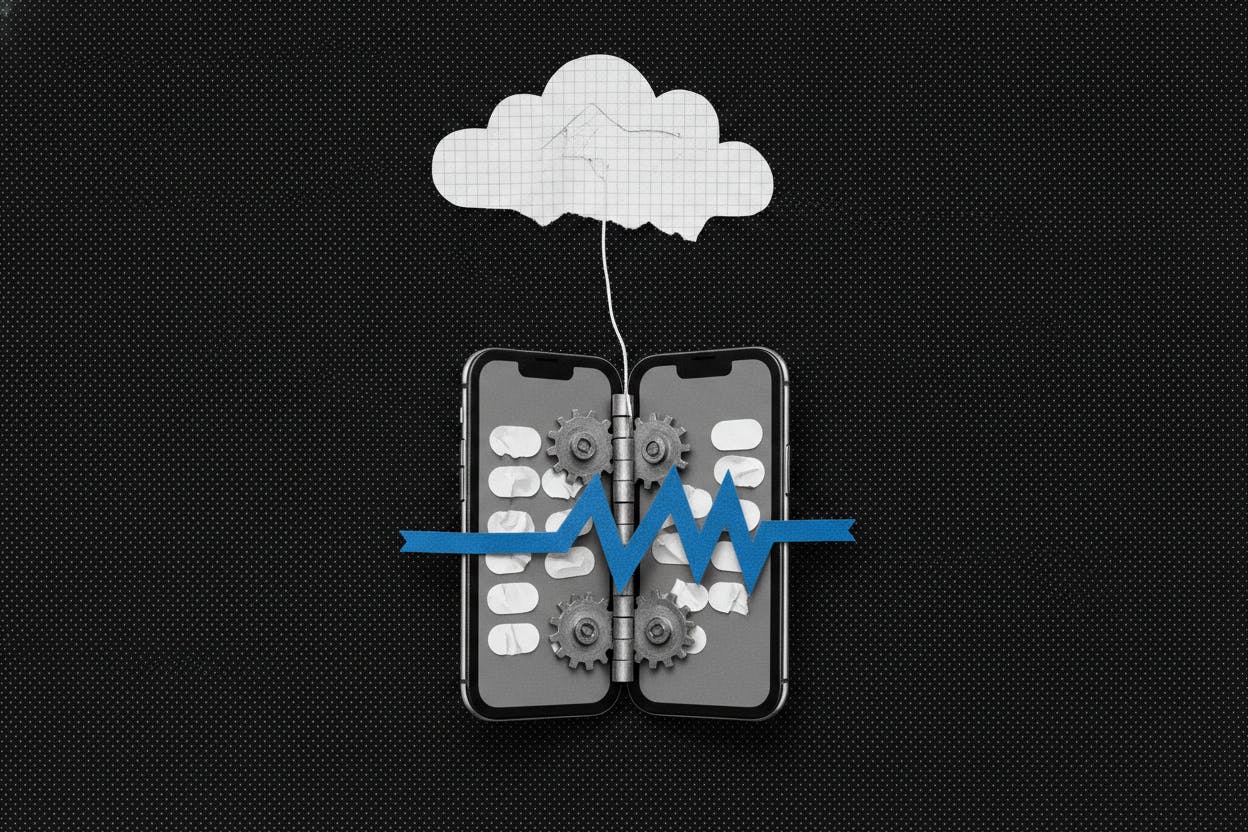
Apple has been conspicuously absent from the foldable phone market, which has been led by Samsung, Google, and Huawei. But that could change soon. Reports suggest Apple is preparing a "passport-style" foldable iPhone that opens like a book, similar to the design of Samsung's Galaxy Z Fold series. The key selling point, according to analysts, will be execution: tougher hinges, a nearly invisible crease, and a polished user experience that only Apple can deliver.
Being late to the party isn't always a disadvantage. Apple has a history of entering mature markets with refined products—think of the iPod, iPhone, and Apple Watch. In the foldable space, arriving later means Apple can learn from the mistakes of its rivals and avoid the durability issues that plagued early foldables. As one analyst put it, "Apple's timing could actually help it avoid the pitfalls that turned off early adopters."
The financial potential is significant. IDC analyst Nabila Popal told Reuters that a foldable iPhone could generate more than $45 billion in revenue by the end of next year. That's a substantial addition to Apple's bottom line, especially as smartphone sales have plateaued in mature markets. Analysts expect the device to be priced above $2,500, putting it in the premium tier where Apple already dominates.
But the foldable market itself has struggled to gain mass appeal. High prices and durability concerns have kept many consumers on the sidelines. Apple's entry could change that, but it will need to convince buyers that a foldable is worth the premium. The company's brand loyalty and ecosystem could be the deciding factor.
Siri's AI overhaul: catching up to Gemini
The second test is software. Siri has lagged behind competitors like Google's Gemini and OpenAI's ChatGPT in the race to deliver a truly conversational AI assistant. Wall Street wants to see a revamped Siri that can handle complex queries, understand context, and integrate seamlessly with Apple's apps and services.
Apple has been investing heavily in AI, but so far, its efforts have been incremental. The company has added features like improved voice recognition and on-device processing, but Siri still struggles with tasks that Gemini handles effortlessly, such as summarizing documents, generating images, or maintaining a natural back-and-forth conversation.
For investors, Siri's evolution is more than a nice-to-have. AI is becoming the battleground for the next decade of computing, and Apple risks falling behind if it doesn't deliver a competitive assistant. A smarter Siri could also boost sales of iPhones, iPads, and Macs, as consumers increasingly expect AI-powered features in their devices.
Apple's leadership reshuffle, which saw Ternus positioned as the next CEO, signals that the company is serious about this transition. Ternus, who has overseen hardware engineering, will need to bridge the gap between hardware and software to deliver a cohesive AI experience.
What it means for investors
For everyday investors, the upcoming event is a litmus test for Apple's growth story. A successful foldable launch could open a new revenue stream and reinvigorate a struggling market. As noted in our earlier coverage of Apple's foldable iPhone plans, the device could mark the beginning of the Ternus era and potentially revive a category that has yet to take off.
However, investors should temper expectations. The foldable market is still niche, and a $2,500 price tag will limit its appeal to early adopters and loyalists. The real test will be whether Apple can scale production and bring costs down over time, as it has done with previous products.
On the AI front, Siri's upgrade is crucial for maintaining Apple's competitive edge. If Apple can deliver an assistant that rivals Gemini, it could strengthen its ecosystem and drive upgrades. But if Siri continues to lag, Apple risks losing ground to Google and other AI-first companies.
Apple's event is also happening against a backdrop of broader market uncertainty. As we've seen with slowing factory output in Germany, global economic headwinds could weigh on consumer spending, making it harder for Apple to justify premium prices. Yet Apple has historically been resilient in downturns, thanks to its loyal customer base and strong brand.
Investors will also be watching for any hints about pricing, availability, and how Apple plans to market the foldable. The company's ability to execute on both hardware and software will determine whether this event is a turning point or a missed opportunity.
The bottom line
John Ternus has a lot on his plate. The foldable iPhone and Siri's AI overhaul are two ambitious projects that could reshape Apple's future. For investors, the event is a chance to see whether Apple can still innovate at the pace that made it the world's most valuable company. As always, the proof will be in the products—and in the sales numbers that follow.