Apple is set to hold its "Surprise and Shine" event on Wednesday, and the tech world is buzzing about what could be the company's first foldable iPhone. According to reports, the device—rumored to be called the iPhone Ultra—folds down to the size of a passport and could carry a price tag north of $2,000. If the rumors hold, this would be the first major product launch under new CEO John Ternus, signaling the start of his leadership era.
Why a foldable iPhone matters
Foldable smartphones aren't new. Samsung introduced its Galaxy Fold back in 2019, and other manufacturers like Huawei have since entered the fray. But Apple's entry into the category could be a game-changer. The company has a history of waiting for a technology to mature before jumping in, then refining it in a way that appeals to a mass audience. Think of the original iPhone, the iPad, or even the Apple Watch—none were first, but they often became the benchmark.
For investors, the launch is significant for two reasons. First, it represents a potential new revenue stream at a time when the global smartphone market is struggling. According to industry data, smartphone shipments are expected to decline nearly 17% this year—the worst contraction on record—as consumers hold onto their devices longer and memory costs surge. A new, high-priced foldable could entice upgrades and boost average selling prices.
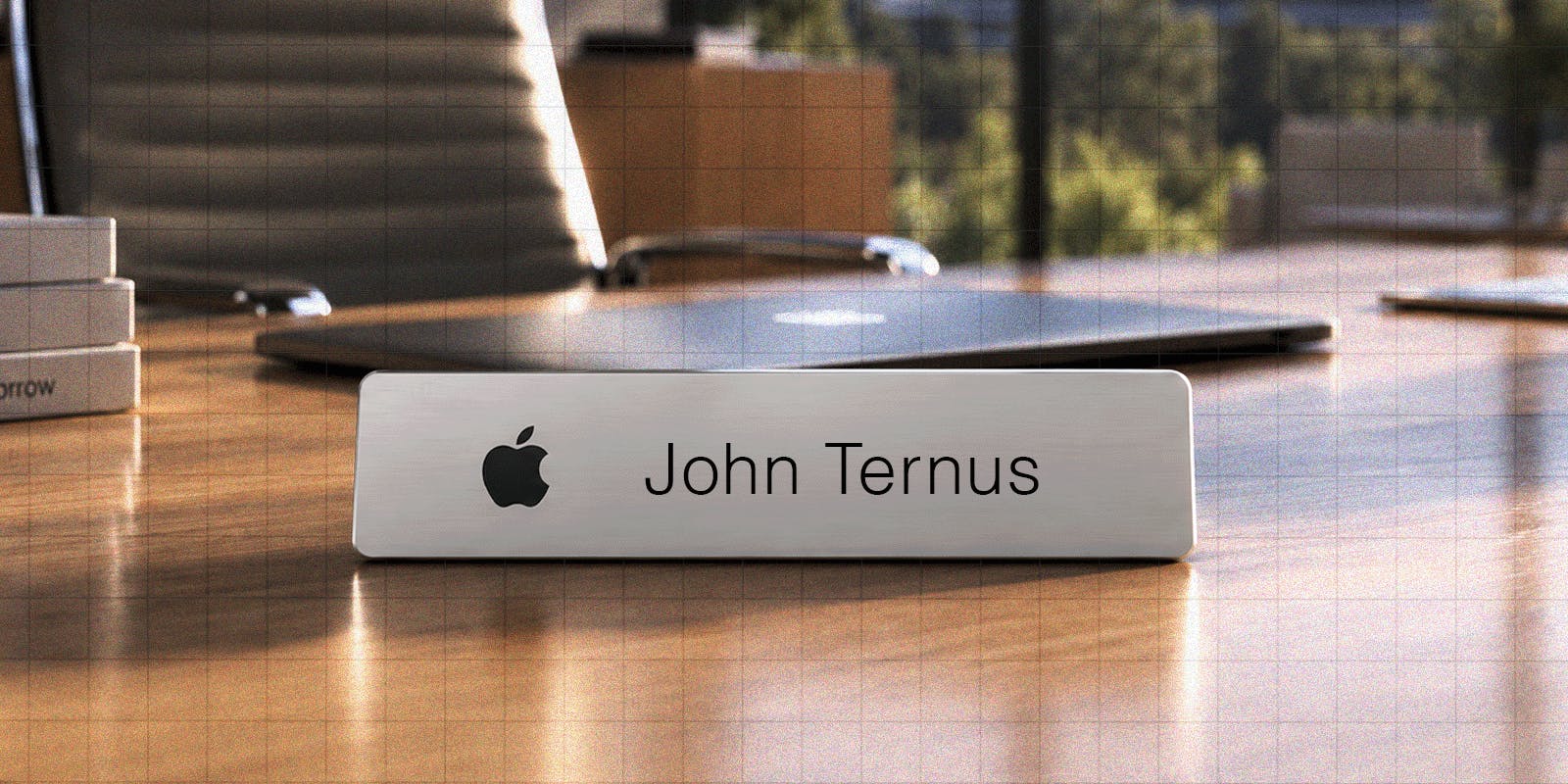
Second, the event marks a leadership transition. John Ternus, who has been with Apple for over two decades and previously led hardware engineering, is stepping into the CEO role. His approach to product strategy will be closely watched by investors. The decision to focus on foldables rather than pouring more into AI spending—as rivals like Microsoft and Google have done—suggests Ternus may prioritize hardware innovation over chasing the AI boom. That's a notable divergence in strategy, and it could define his tenure.
The broader context: a tough market
The smartphone industry is in a rough patch. Beyond the cyclical slowdown, rising memory chip costs are squeezing margins for manufacturers. Consumers are also keeping their phones longer, partly because newer models offer incremental improvements rather than must-have features. A foldable iPhone, with its novel form factor, could be the kind of product that breaks that cycle—if the price is right.
Apple's move also comes as competitors are stepping up their own foldable offerings. Huawei recently launched its Mate XT2 foldable with an in-house chip, just ahead of Apple's event. That timing underscores the intensifying competition in this niche but growing segment. While foldables still represent a small slice of the overall market, they're seen as a key battleground for premium devices.
Apple's leadership shuffle has been in the works for some time. The company reshuffled its executive team earlier this year, with CFO Kevan Parekh taking on additional responsibilities and Ternus being groomed for the top job. This event is the first major test of that new structure.
What it means for investors
For everyday investors, the foldable iPhone is more than just a shiny gadget. It's a signal about Apple's growth strategy. The company has been criticized for being slow to embrace AI, even as competitors pour billions into the technology. Instead, Apple appears to be betting on hardware innovation—and a premium price tag—to drive growth.
That bet carries risks. A $2,000-plus phone is a tough sell in a market where consumers are already balking at $1,000-plus models. If the iPhone Ultra fails to resonate, it could weigh on Apple's earnings and stock price. On the other hand, if it succeeds, it could revitalize the entire smartphone market and give Apple a new flagship product line.
Investors should also watch how Apple manages its supply chain and pricing. The surging cost of memory chips is a headwind for all smartphone makers, and Apple will need to balance margins with consumer demand. The company's ability to navigate these pressures will be a key test for Ternus's leadership.
Beyond Apple, the foldable trend could have ripple effects across the tech sector. Component suppliers, chipmakers, and even carriers could benefit if foldables drive a new upgrade cycle. But for now, all eyes are on Wednesday's event—and on whether Apple can turn a niche product into the next big thing.
As always, it's worth remembering that product launches are just one piece of the investment puzzle. Apple's long-term value will depend on its ability to grow revenue and earnings across its entire ecosystem, not just on one device. But for Ternus, this is a defining moment—and investors will be watching closely.