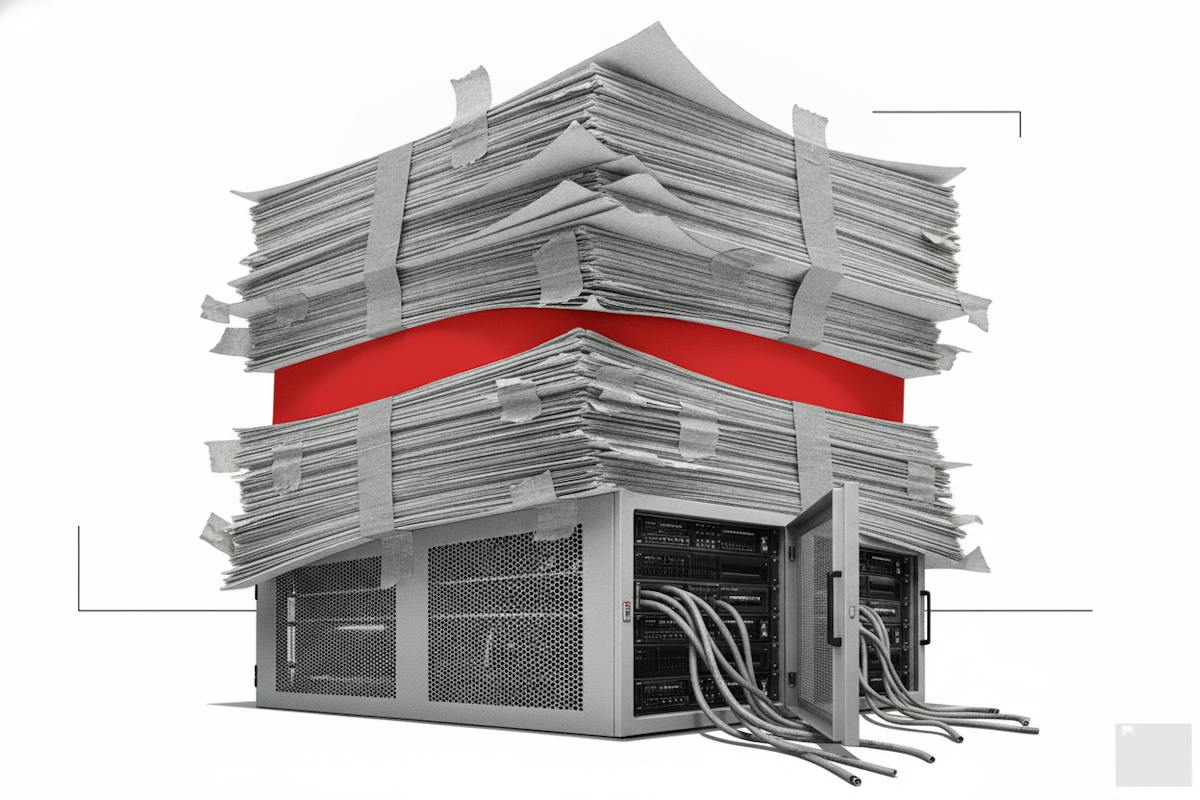
AI-linked stocks extended their slide on Wednesday, as investors shrugged off upbeat outlooks from companies like Dell and instead focused on the mounting, often debt-funded costs of building out artificial intelligence infrastructure. The sell-off, reported by Reuters, spread across server makers and chip suppliers, signaling a shift in how the market is valuing the AI trade.
What's driving the sell-off?
For months, investors have rewarded any company with a credible AI story. But the bar for what counts as an "AI winner" has quietly risen. Even solid earnings and higher guidance are now being discounted if the next phase of AI infrastructure looks harder to finance at an attractive return.
Dell Technologies is a case in point. The company lifted its annual outlook again and expanded its share buyback program—moves that would normally cheer Wall Street. Instead, Dell's shares fell, as investors zeroed in on the massive capital expenditures required to build and equip data centers, and the debt that often funds them.
The concern isn't just about one company. It's about the entire ecosystem. Server makers, chip suppliers, and other AI infrastructure players are all facing the same question: can the returns on these investments justify the borrowing costs?
Why debt and bond costs matter
Data centers are expensive. They require vast amounts of land, power, cooling, and cutting-edge hardware. Many companies are financing these projects with debt, which means they're sensitive to interest rates and credit conditions.
When bond yields rise, the cost of that debt goes up, squeezing margins and making future projects less profitable. Similarly, credit default swaps (CDS)—essentially insurance against a company defaulting on its debt—have been creeping higher, reflecting growing unease about the financial health of some AI infrastructure players.
This is a shift from the recent past. When interest rates were lower, cheap debt made big AI bets look more attractive. Now, with rates higher and bond costs climbing, the math gets harder. Investors are starting to ask whether the AI boom can deliver returns that justify the borrowing.
What this means for everyday investors
For ordinary investors, this sell-off is a reminder that even the hottest trends can cool when the financial fundamentals come under scrutiny. AI is still a transformative technology, but the companies building its infrastructure are taking on significant financial risk.
If you own AI stocks or tech funds, it's worth paying attention to how much debt these companies are carrying and how sensitive they are to interest rates. A company with a strong balance sheet and clear path to profitability may weather the storm better than one that's borrowing heavily to keep up with rivals.
It's also a good time to remember that markets often overcorrect. The pullback in AI stocks could be a healthy reset, or it could be the start of a longer reassessment. Either way, diversification remains a key defense. Spreading your investments across sectors and asset classes can help cushion the blow when one area of the market stumbles.
Global ripple effects
The AI sell-off isn't confined to the US. Asian markets have also felt the pressure, with Japan's Nikkei dropping 3% as AI favorites slid, though defensive stocks helped cushion the fall. Similarly, chip stocks have been sliding as traders weigh AI spending against inflation data.
In other regions, the picture is mixed. Gulf stocks were mixed as the Saudi index slipped, while Australian stocks fell on hot inflation that dented hopes for rate cuts. These moves show that AI sentiment is intertwined with broader economic concerns, from interest rates to trade tensions.
What to watch next
Investors will be watching several things in the coming weeks. First, how companies respond to the higher cost of capital. Will they slow down their AI spending, or push ahead and hope returns materialize? Second, any signs that credit markets are tightening further, which could make it even harder to finance new projects.
Earnings season will also be key. Companies that can show strong AI-related revenue growth and disciplined spending may be rewarded, while those that disappoint could see further selling.
For now, the message from the market is clear: AI is still a powerful story, but it's no longer a free pass. Investors want to see the numbers add up, and that means paying attention to the balance sheets behind the hype.