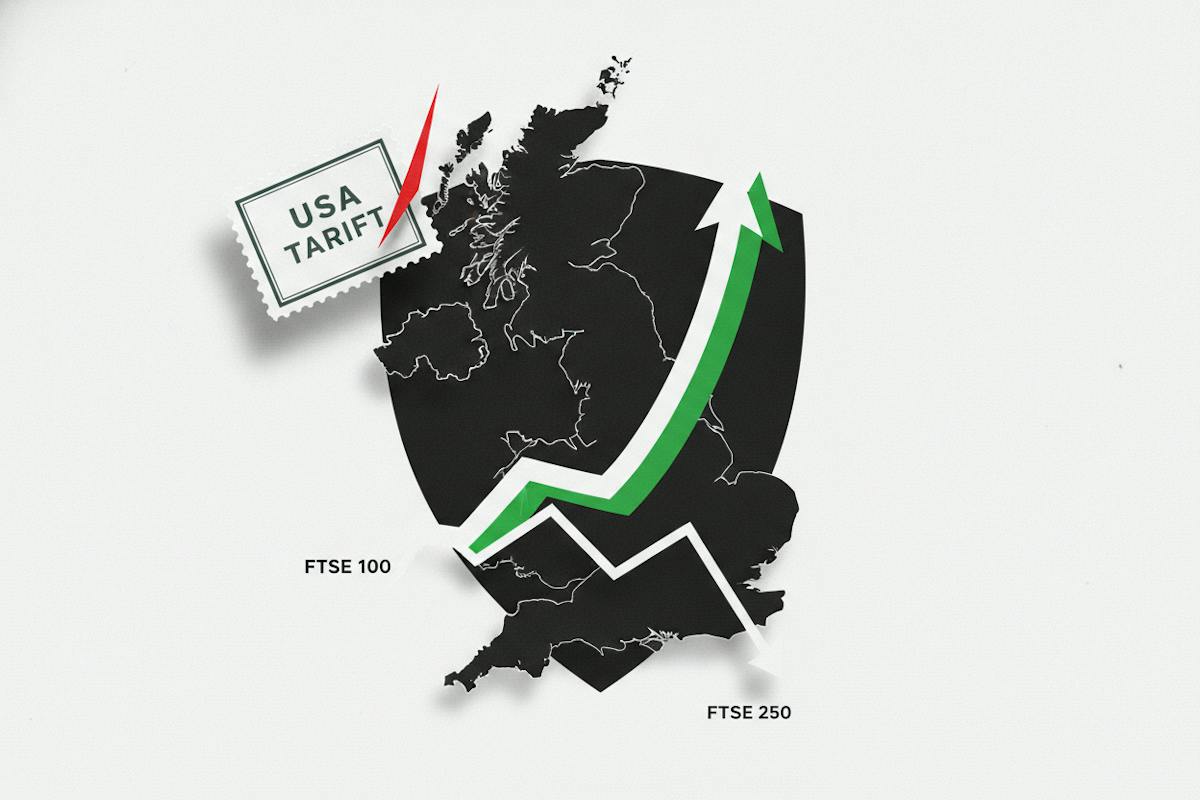
London's FTSE 100 edged higher on Tuesday, as investors sought refuge in defensive sectors like consumer staples and healthcare. The move came amid growing uncertainty over possible new US tariffs and ahead of a closely watched US inflation report.
By late morning, the FTSE 100 was up 0.4% at 10,512.87, while the more UK-focused FTSE 250 slipped 0.1%. That split is a classic sign that investors are favouring steadier earners over riskier, more cyclical names when growth and interest-rate concerns are rising.
Defensive sectors lead the way
Consumer staples were the standout performers, with the personal care, drug, and grocery group gaining 1.6%. Unilever, one of the index's heavyweight stocks, rose 2% after the UK's competition watchdog said that McCormick's proposed sale of the Colman's brand could ease concerns tied to its planned acquisition. The news helped lift sentiment across the sector, which also includes food retailers and household goods makers.
Healthcare also attracted buyers, as investors typically view pharmaceutical and medical equipment companies as less sensitive to economic swings. These sectors tend to generate steady demand regardless of the broader economic backdrop, making them popular choices when markets are nervous.
Tariff worries and the PCE report
The cautious tone came as markets weighed the possibility of new US tariffs. Trade policy has been a recurring source of volatility, with investors trying to gauge the impact on global growth and corporate profits. Any escalation could hit exporters and manufacturers, which is why investors are parking money in more defensive areas.
At the same time, traders were waiting for the US personal consumption expenditures (PCE) price index, the Federal Reserve's preferred inflation gauge. The report is due later this week and could influence the central bank's next moves on interest rates. A hotter-than-expected reading might delay rate cuts, while a cooler one could boost hopes for easier policy.
This is not the first time this week that defensive stocks have cushioned a market under pressure. Similar patterns have been seen in other regions, as investors juggle tariff headlines and inflation data. For example, Japan's Nikkei fell sharply as tech favourites slid, but defensive names helped limit the damage. And Gulf markets also had the PCE report in focus.
What this means for investors
For everyday investors, the shift into defensive stocks is a reminder that markets don't always move in one direction. When uncertainty rises, money often flows into companies that sell everyday essentials—think toothpaste, soap, and medicine—because demand for those products stays relatively stable even if the economy slows.
That doesn't mean these stocks are risk-free. They can still be affected by currency moves, input costs, and competition. But they tend to be less volatile than, say, technology or industrial shares, which are more sensitive to economic cycles.
The FTSE 100's outperformance relative to the FTSE 250 also highlights a broader trend: large, internationally diversified companies often benefit from a weaker pound, as their overseas earnings are worth more when converted back to sterling. That can provide a natural hedge for UK investors.
Looking ahead, the PCE report will be the key catalyst. If it comes in below expectations, it could ease fears about sticky inflation and support riskier assets. If it surprises to the upside, defensive stocks may continue to lead.
For now, the message from the market is clear: when in doubt, investors are choosing safety over excitement. That's a signal worth watching, especially as tariff policy and inflation data remain in the spotlight.