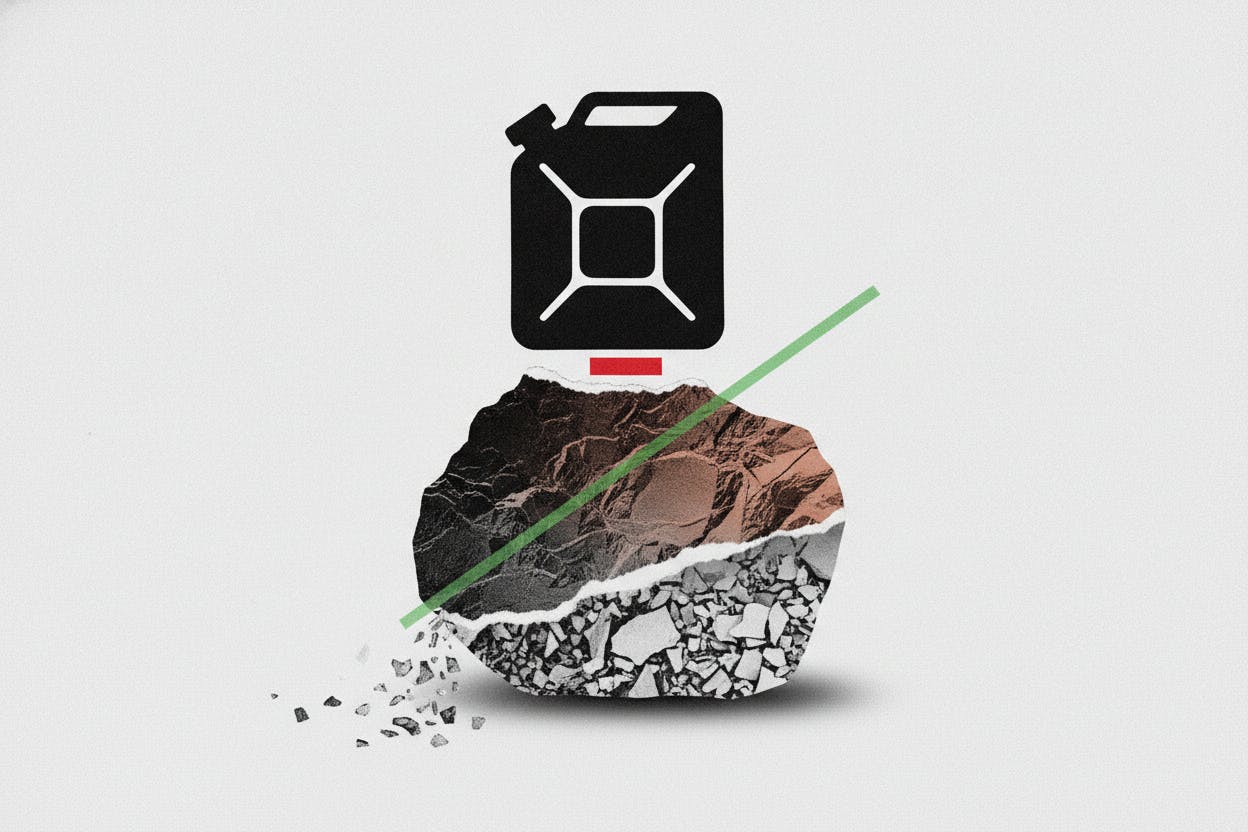
AIC Mines, an Australian copper producer, reported that costs at its Eloise copper mine in Queensland climbed in the June quarter of fiscal 2026. The company's all-in sustaining cost (AISC) rose to AU$6.15 per pound, with higher diesel prices and lower ore grades putting pressure on the numbers.
What Is All-In Sustaining Cost?
All-in sustaining cost is a key metric for miners. It captures the ongoing spending needed to keep a mine running, including extraction, processing, maintenance, and site-level overheads. Unlike broader cost measures, AISC excludes growth-related spending and one-off items, giving investors a clearer view of the recurring cost of producing each pound of metal.
At Eloise, the broader all-in cost, which includes more growth and one-off expenses, came in at AU$6.49 per pound for the quarter. The difference between the two figures reflects additional spending on development or expansion projects that are not part of day-to-day operations.
Why Costs Rose
AIC Mines attributed the cost increase to two main factors. First, copper grades slipped, meaning the ore being processed contained less copper per ton. When grades decline, miners must move and process more rock to produce the same amount of metal, which drives up costs per pound.
Second, diesel prices rose. Diesel is a major input for mining operations, powering haul trucks, loaders, and other heavy equipment. Higher diesel costs directly increase haulage and power bills, squeezing margins.
The combination of lower grades and higher input costs is a familiar challenge for miners. Many companies have faced similar headwinds in recent quarters as inflation has pushed up the cost of fuel, labor, and equipment. For context, other companies have also reported margin pressure from rising costs, as seen in Fastenal's recent results, where freight and input costs weighed on profitability.
Broader Copper Market Context
Copper prices have been volatile recently, influenced by weak economic data from China, the world's largest copper consumer. However, supply constraints and geopolitical tensions have helped limit losses. The metal is also seen as a key beneficiary of the global energy transition, given its use in electric vehicles, renewable energy infrastructure, and power grids.
For AIC Mines, the cost increase comes at a time when copper prices are still relatively strong, but any sustained rise in costs could eat into margins if prices soften. Investors will be watching whether the company can improve grades or reduce costs in coming quarters.
The broader mining sector has been grappling with cost inflation across the board. BofA recently warned that oilfield services face a tricky quarter due to Middle East disruptions, highlighting how geopolitical factors can ripple through commodity markets and input costs.
What It Means for Investors
For everyday investors, the rise in AIC Mines' costs is a reminder that mining companies are exposed to operational risks beyond just metal prices. Grade declines and input cost inflation can erode profitability even when commodity prices are favorable.
Investors should monitor AISC trends across the mining sector, as they provide a transparent view of cost pressures. Companies that can maintain or lower their AISC are better positioned to weather price downturns, while those with rising costs may see their margins squeezed.
AIC Mines' situation also underscores the importance of diversification. While copper demand is expected to grow long-term due to electrification and green energy, individual mines face unique challenges that can affect returns.
For now, the market will likely focus on whether Eloise can stabilize grades and whether diesel prices ease. If costs remain elevated, AIC Mines may need to adjust its production plans or seek efficiency gains to protect profitability.



