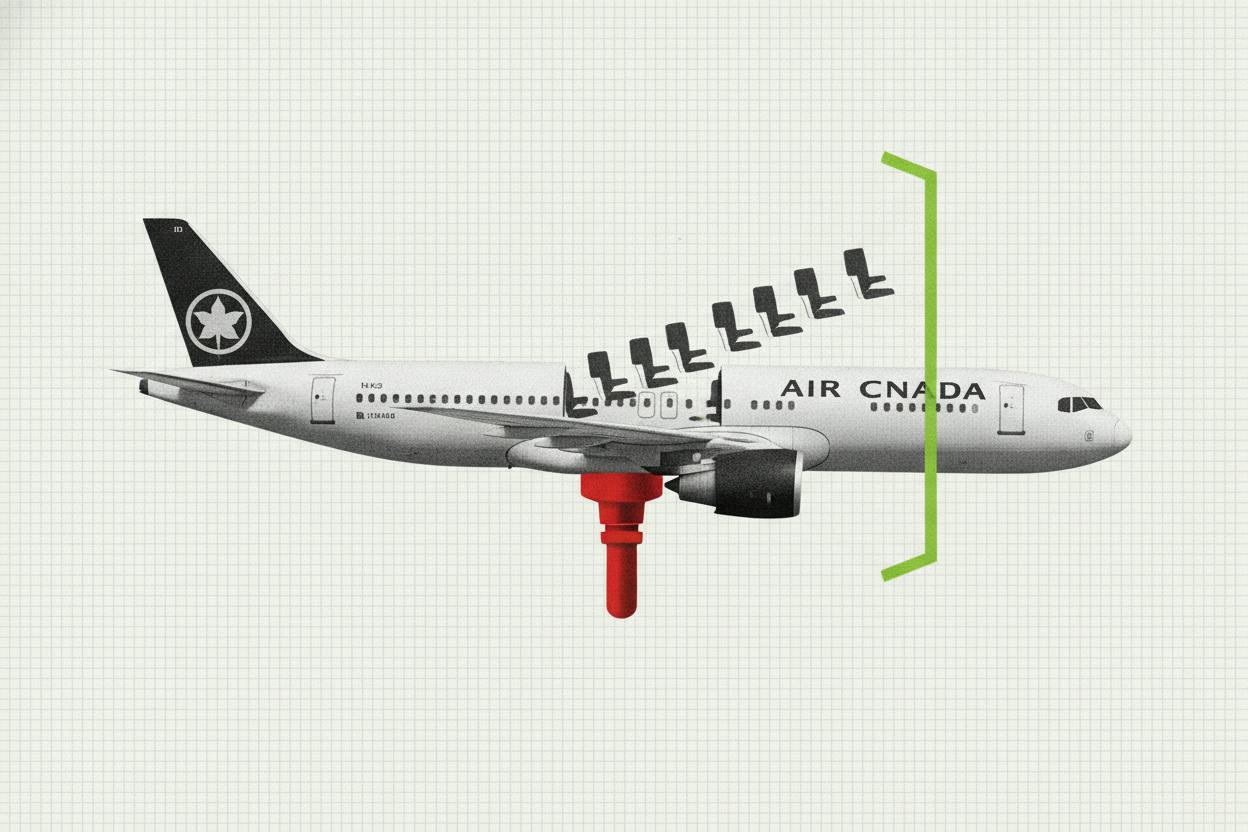
Air Canada is pulling back on the number of seats it plans to put into the market, a move aimed at protecting its profit margins as jet fuel prices climb. The airline's executives said on an October 29 conference call that they don't expect to fully pass the higher fuel costs on to customers in the fourth quarter, even though pricing and schedule adjustments are offsetting part of the hit.
In comments reported by Reuters, the executives said the company is trimming "more than two points" of capacity from its Q1 2027 schedule. That means fewer flights or smaller planes on certain routes, a strategy known in the industry as "capacity discipline."
Why fewer seats help
When an airline can't raise fares enough to cover rising costs, it often turns to reducing supply. By putting fewer seats into the market, the airline can keep planes fuller and support pricing power. That's a common lever for carriers when fuel prices spike, as they did recently.
Fuel is typically one of an airline's biggest expenses, and a sharp jump can quickly eat into margins. Airlines have limited ability to pass on those costs immediately, since ticket prices are set well in advance and competition keeps fares in check.
The move comes as Air Canada also faces broader cost pressures. Earlier this year, the company cut its 2026 profit outlook as jet fuel costs surged, a reminder of how sensitive airline earnings are to energy prices. The latest capacity cuts are a further step to manage that exposure.
Demand holds up through winter
Despite the cost pressures, Air Canada said demand remains solid through the winter season. That's a positive sign, as it gives the airline more room to adjust fares without scaring off travelers. The company is tweaking pricing to capture some of the higher costs, but executives acknowledged that not all of the increase can be passed along.
The airline's ability to keep planes full is key. If demand were weak, cutting capacity could backfire, leaving the airline with higher unit costs. But with bookings holding up, the strategy is more likely to support margins.
What it means for investors
For everyday investors, this news is a reminder that airlines operate on thin margins and are highly exposed to fuel prices. When oil and jet fuel costs rise, airlines often have to make tough choices: raise fares, cut capacity, or accept lower profits. Air Canada is choosing a mix of all three.
The capacity cuts are a defensive move, but they also signal that the airline doesn't see fuel costs easing soon. Investors will be watching whether the strategy actually protects margins in the coming quarters, and whether demand stays strong enough to keep planes full.
Air Canada's situation is not unique. Airlines globally are grappling with fuel costs, and some are also adjusting schedules. The broader energy market remains a key factor, as seen in recent profit reports from major oil companies like Shell, TotalEnergies, and Repsol, which posted bumper profits on record refining margins. That dynamic—high fuel prices benefiting producers while squeezing airlines—is a classic tension in the market.
For those holding Air Canada stock, the key question is whether the airline can navigate this period without a significant hit to earnings. The company's earlier profit outlook cut already reflected some of the pain, and the new capacity reductions suggest management is being proactive. But fuel prices remain volatile, and any further spikes could force more drastic measures.
Investors should also keep an eye on the broader Canadian economy. A weaker loonie or softer consumer spending could affect travel demand, though Air Canada's comments suggest winter bookings are holding up. The airline's ability to maintain pricing power will be crucial.
In the end, this is a story about margins and management. Air Canada is making a calculated bet that fewer seats will mean healthier profits, even if it means giving up some growth. For investors, it's a signal to watch fuel prices and the airline's quarterly results closely.