Chinese electric vehicle maker BYD is finding a surprisingly receptive audience in South Korea, selling more than 20,000 vehicles there in the first nine months of the year. That's a sharp contrast with Japan, where the company managed fewer than 4,000 sales over the same period, according to Reuters.
The gap highlights how different consumer habits and market conditions can shape the success of even the world's largest EV maker. While BYD has expanded rapidly across Europe, its Asian neighbors are proving to be a more mixed story.
Why South Korea is warming to BYD
South Korea's EV market is already mature: electric vehicles account for roughly a quarter of new-car sales. But many shoppers are frustrated by long waits for popular local models and a lack of affordable options. Hyundai and Kia, the dominant domestic automakers, have focused on pricier EVs, offering only a handful of models under $30,000.
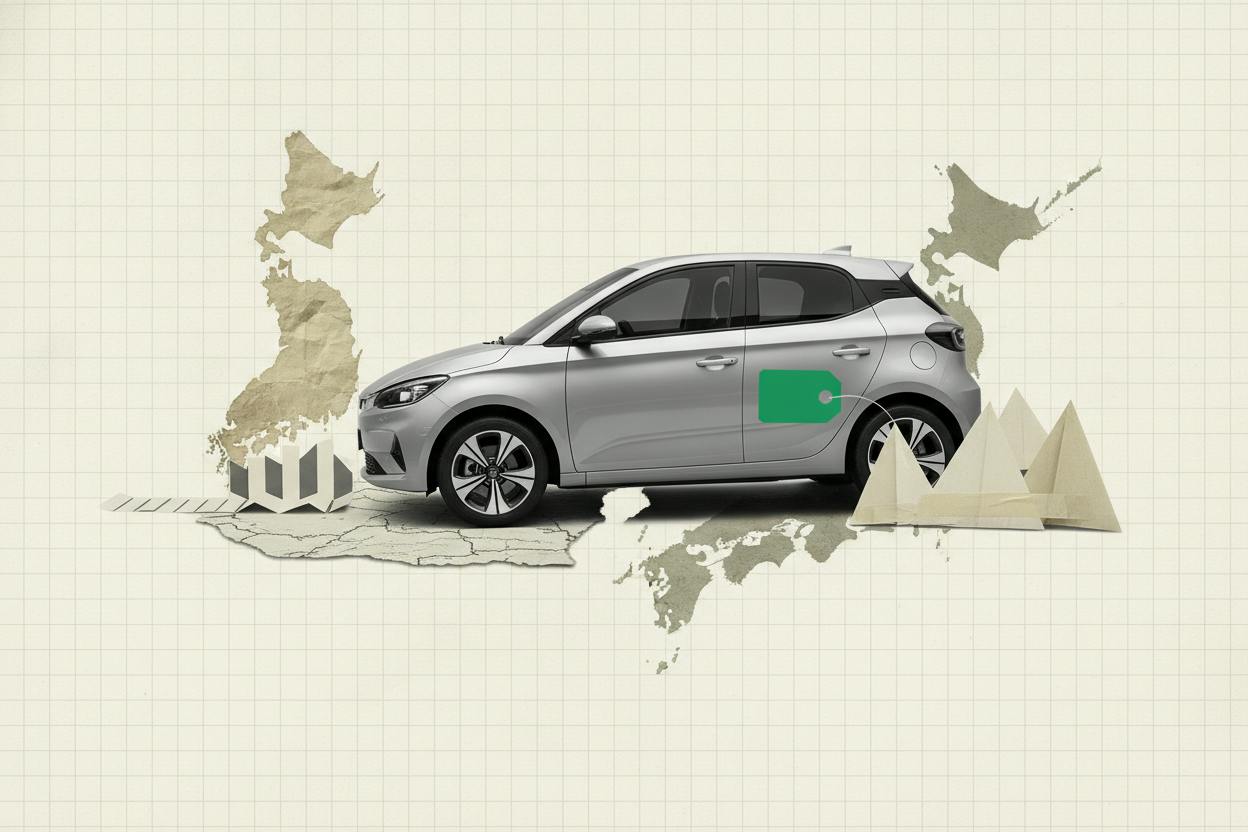
BYD stepped into that gap with cars that are both available and cheaper. The Dolphin, a compact hatchback, sells for around $18,500 in South Korea. That combination of price and immediate availability has helped BYD outsell Toyota and Lexus combined in the country over the same period.
For everyday buyers, the math is simple: why wait more than two years for a Hyundai Casper EV when you can drive home a BYD today for thousands less? That kind of trade-off is shifting competition from brand loyalty to price and delivery times.
Japan remains a tougher sell
Japan tells a different story. EVs make up only about 3% of new-car sales there, and foreign brands account for just 6% of passenger-car sales. Many Japanese drivers prefer hybrids, which are seen as a practical middle ground between gasoline and full electric. The pressure to switch to an EV is much lower.
BYD is still investing in Japan—Reuters notes it has opened more than 75 dealerships and is moving into the tiny kei minicar category, a uniquely Japanese segment. But habits and trust change slowly, and the company faces an uphill battle in a market where domestic brands like Toyota and Honda dominate.
What it means for investors
For Hyundai and Kia, the rise of BYD in their home market is a direct threat. Defending market share typically means discounting, adding cheaper trims, or shifting production toward mass-market EVs. Those moves can protect volume but often squeeze profit per vehicle, especially when a company is used to selling premium-priced models.
The pressure isn't just from BYD. Other Chinese brands like Zeekr are also taking orders in South Korea, which could reset the local price benchmark for EVs. If consumers come to expect $18,500 EVs as the norm, Hyundai and Kia may have to rethink their pricing strategies across the board.
For investors, this is a reminder that the EV market is becoming more competitive and price-sensitive. Companies that can offer affordable, available models—like BYD—are gaining ground, while those that rely on premium positioning may see margins erode. South Korea's regulatory environment has also been active, which could add further complexity for global tech and auto firms operating there.
At the same time, Japan's deal-making landscape is heating up, but that hasn't translated into faster EV adoption. The contrast between South Korea and Japan shows that market readiness matters as much as product quality.
For now, BYD's success in South Korea is a clear signal that affordable, in-stock EVs can win over skeptical buyers. The question is how quickly Hyundai and Kia respond—and whether they can protect their home turf without sacrificing profitability.