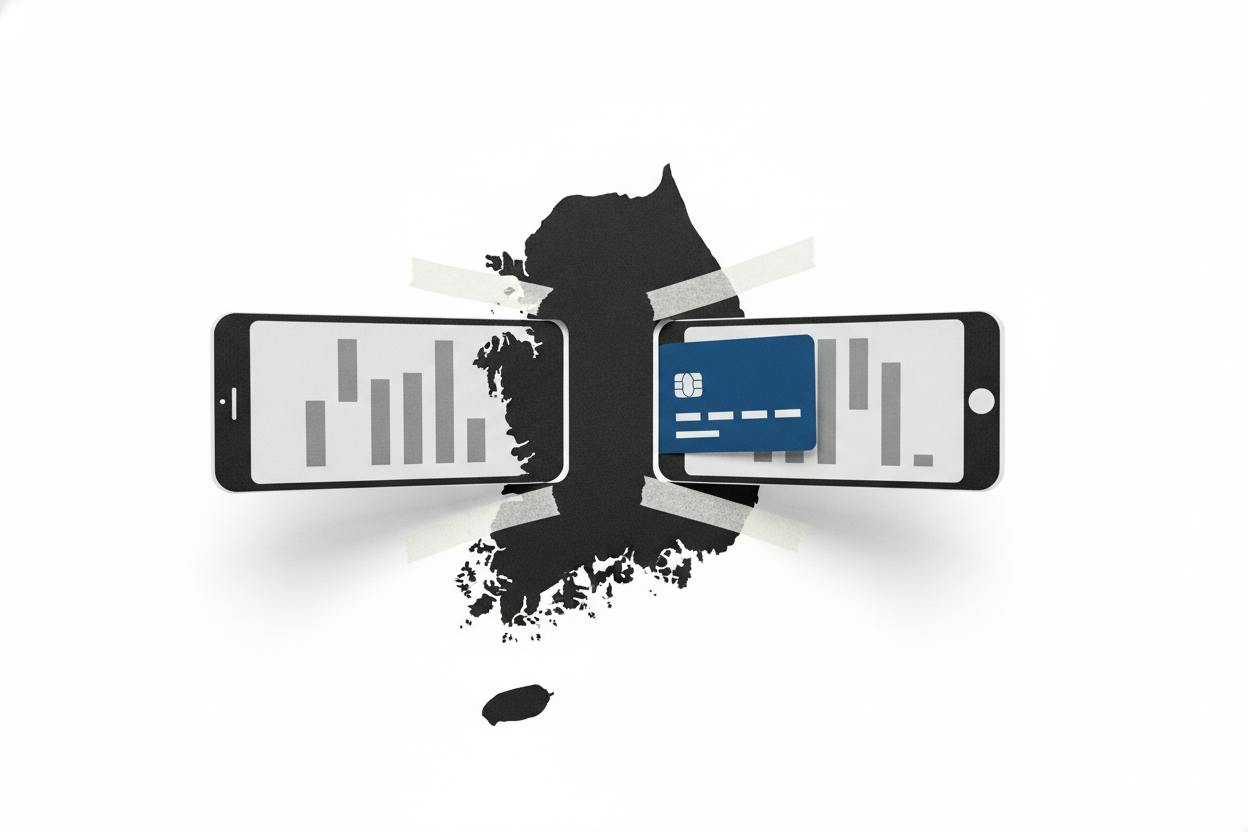
South Korea's media regulator has fined Google and Apple for violating the country's telecommunications law, saying the tech giants unfairly pushed app developers to use their own in-app payment systems. The Korea Media and Communications Commission (KMCC) announced the penalties on Wednesday, capping an investigation that began in 2022.
Google, a unit of Alphabet, was fined 42.9 billion won (about $32 million), while Apple faces a 20.81 billion won penalty. The regulator also issued corrective orders requiring both companies to revise their contracts with app developers, a move that could have broader implications for how app stores operate globally.
What the regulator found
The KMCC said the companies effectively steered developers into their own in-app checkout systems, even after South Korea passed a law in 2021 banning such practices. According to the regulator, both firms charged a 26% commission even when apps used third-party payment processors, making outside options nearly as expensive as their own.
In addition, the companies were accused of limiting features for apps that used alternative payment methods, and of delaying app reviews to discourage developers from leaving the platform's own system. These tactics, the regulator argued, kept payments "inside the gate" and undermined the intent of the law.
The corrective orders are the more significant part of the ruling. They require Google and Apple to change their contract terms with developers, which could make it harder for them to use app-store rules and product design to steer payments back to their own systems.
Why the fines matter less than the orders
For investors, the headline fine amounts are relatively small for companies of this size. Google's parent Alphabet reported over $300 billion in annual revenue, and Apple's services business alone generates tens of billions each quarter. A one-time penalty of $32 million is unlikely to move the needle.
What matters more is the recurring economics of mobile app stores. Both companies take a cut of every transaction made through their platforms, a revenue stream that is highly profitable because it involves little incremental cost. The KMCC's finding that a 26% commission was charged even with third-party processors directly targets this "take rate" — the percentage of each purchase the store keeps.
If Google and Apple can no longer make third-party checkout meaningfully worse or nearly as expensive as their own option, more transactions could shift to outside payment processors. That would reduce the volume flowing through their systems, or force them to narrow the price and feature gap between their own payment method and alternatives. Either way, the take rate could compress, and because this revenue is so profitable, even small changes can ripple through margins.
What it means for investors
Investors should watch whether South Korea's actions become a template for other regulators. The country was the first to pass a law explicitly banning app store payment monopolies, and its enforcement could encourage similar moves in other jurisdictions. The European Union and the United States have already shown interest in app store practices, and any global shift toward allowing third-party payments could pressure the high-margin services revenue that both companies have come to rely on.
For Apple, the app store is a key part of its services segment, which has become a growth driver as iPhone hardware sales mature. For Google, the Play Store contributes to its broader ecosystem, though it is a smaller piece of the company's overall revenue.
The corrective orders in South Korea are a reminder that regulatory risk is a real factor for these companies. While the fines are a one-time hit, the contract changes could have lasting effects on how app stores are run — not just in South Korea, but potentially elsewhere.
For everyday investors, the takeaway is that this is a story about recurring revenue and regulatory pressure, not a sudden financial blow. The amounts are small, but the precedent could be significant. As always, it's worth keeping an eye on how regulators in other countries respond, and whether the companies appeal or adjust their practices.
In the meantime, the broader tech sector continues to face scrutiny over market power, and South Korean markets have their own dynamics to watch. The KOSPI index has been volatile, and regulatory actions like this can add to uncertainty for tech investors.
For now, the fines are a modest cost, but the corrective orders could reshape the app store landscape. Investors will be watching to see if Google and Apple comply, appeal, or find new ways to maintain their grip on in-app payments.