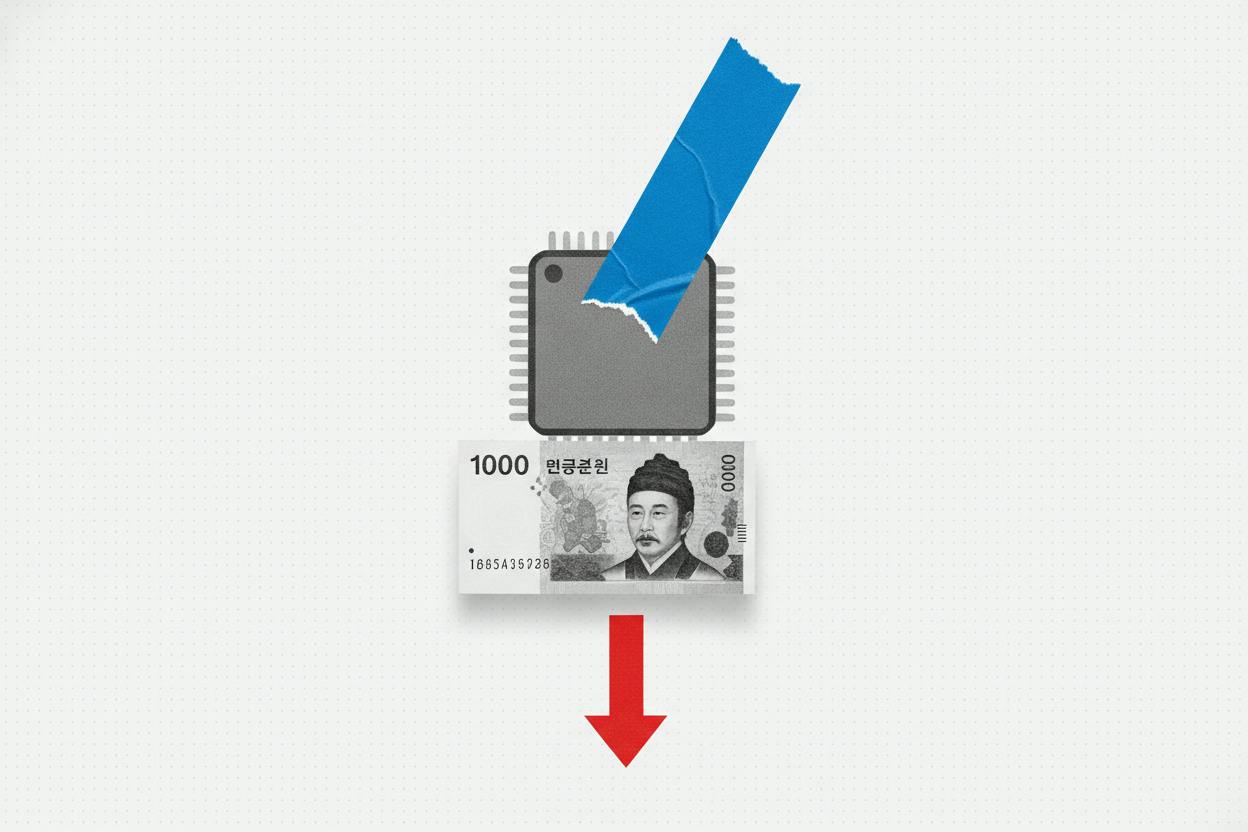
Asian markets saw a split personality on Monday: equities cheered another round of blockbuster AI-related earnings, while currencies struggled under the weight of a firmer US dollar. The divergence highlights how the region's tech boom is colliding with global monetary realities.
South Korea leads the rally
South Korea's KOSPI index jumped nearly 7%, its best session in years, after SK Hynix—the world's second-largest memory-chip maker—soared 11%. The company reported a stronger-than-expected profit surge, driven by relentless demand for high-bandwidth memory used in AI data centers. Alongside the earnings beat, SK Hynix unveiled a 100-trillion-won (about $75.41 billion) shareholder return plan through 2026, a move that signals confidence in sustained AI-driven growth.
The rally wasn't confined to South Korea. Taiwan's benchmark index rose 1.6%, with TSMC—the world's largest contract chipmaker—gaining 1.3%. Investors were positioning ahead of major US tech earnings later in the day, betting that the AI boom would continue to fuel profits across the supply chain.
This earnings season has repeatedly shown that AI infrastructure spending remains a powerful tailwind for chipmakers. As we noted in our coverage of SK Hynix's record profit, the company has locked in future sales through long-term supply agreements, making its outlook more predictable than in past memory cycles.
Currencies slip as the dollar firms
But the equity optimism didn't spill over into foreign exchange. The South Korean won weakened against the US dollar, as did Indonesia's rupiah and other regional currencies. The dollar's strength reflects expectations that US interest rates will stay higher for longer, a trend that tends to pull capital away from emerging markets.
For everyday investors, the takeaway is that a strong dollar can be a double-edged sword for Asian markets. While it makes US assets more attractive, it can pressure currencies in export-driven economies, potentially squeezing corporate profits that are earned in local currency but reported in dollars.
The won's decline is particularly notable given South Korea's reliance on exports. A weaker won can boost the competitiveness of Korean goods abroad, but it also raises the cost of imported energy and raw materials, feeding into domestic inflation.
What it means for investors
For investors with exposure to Asian equities, the AI rally is a reminder of the sector's momentum. But the currency moves underscore the importance of looking beyond stock prices. A rising dollar can erode returns for foreign investors holding local-currency assets, even when those assets are climbing.
This dynamic is playing out across the region. In China, for instance, factory profits have surged on AI demand, yet stocks have struggled to hold gains amid broader economic concerns. Similarly, the strength of the dollar is a factor that investors in emerging markets need to monitor closely.
For those watching the tech sector, the upcoming US mega-cap earnings will be a key test. As we highlighted in our look at Big Tech's AI payback test, investors are increasingly asking whether the massive capital spending on AI will translate into meaningful revenue growth. The market's reaction to those results could set the tone for global tech stocks in the coming weeks.
Options traders are already bracing for bigger swings, as noted in our piece on options positioning ahead of mega-cap earnings. That suggests volatility is expected, and investors should be prepared for sharp moves in either direction.
The bottom line
Monday's market action is a microcosm of the current investing environment: AI continues to drive outsized gains in select stocks, but macro forces—particularly the dollar and interest rates—remain a counterweight. For everyday investors, diversification across asset classes and geographies can help manage the risks that come with such divergent trends.
As always, it's important to focus on the fundamentals of the companies you own, rather than getting swept up in daily market noise. The AI boom is real, but so are the currency and rate headwinds. Balancing optimism with caution is the key to navigating these markets.