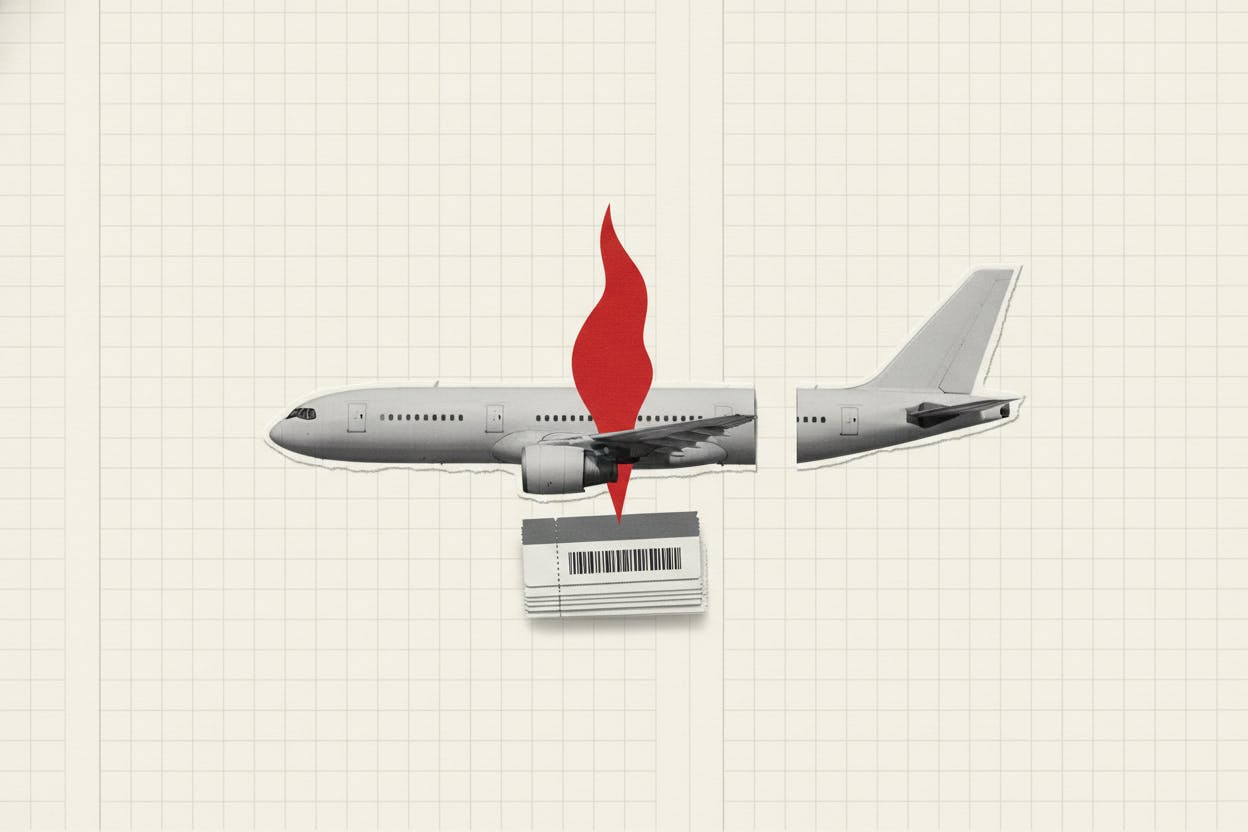
Air France-KLM, Europe's largest airline group by revenue, reported a second-quarter operating profit that came in well ahead of analyst expectations, even as it trimmed its flying plans for the rest of the year. The company is leaning on demand for premium cabins and long-haul routes to offset persistently high jet fuel costs and operational disruptions linked to the Middle East conflict.
The group posted an adjusted operating profit of €484 million for the three months through June, down from €736 million a year earlier but comfortably above the €327 million that analysts had forecast. Chief Executive Benjamin Smith credited stronger demand in higher-paying cabins and long-haul services, particularly to Asia and North America, for helping the airline beat expectations despite a challenging cost environment.
Capacity cuts and fuel costs
Alongside the earnings beat, Air France-KLM lowered its full-year capacity guidance for the second time this year. The group now expects to fly at 90% to 92% of pre-pandemic 2019 levels, down from a previous target of 93% to 95%. The reduction reflects ongoing constraints from aircraft delivery delays, engine maintenance issues, and the need to keep schedules flexible amid geopolitical uncertainty.
Jet fuel costs remain a key concern for the airline industry, and Air France-KLM is no exception. While fuel prices have eased from their 2022 peaks, they are still well above historical averages, squeezing margins across the sector. The group said it is closely monitoring fuel costs and adjusting its hedging strategy to limit the impact on profitability.
The airline's focus on premium travel mirrors a broader trend in the industry, where carriers are increasingly relying on business class and premium economy seats to boost revenue, even as budget travel demand softens. Air France-KLM has invested heavily in upgrading its long-haul cabins and expanding its network to high-demand destinations, a strategy that appears to be paying off in the current quarter.
What it means for investors
For everyday investors, Air France-KLM's results offer a mixed picture. The profit beat is a positive sign that the airline can still generate solid earnings even when costs are high, thanks to strong demand from travelers willing to pay more for comfort and convenience. However, the repeated capacity cuts suggest that the recovery in air travel is not as smooth as many had hoped, and that structural challenges—from supply chain issues to fuel price volatility—are likely to persist.
Investors should also consider the broader context. The airline sector is highly sensitive to economic cycles, and any slowdown in consumer spending could quickly erode demand for premium seats. Meanwhile, competition from low-cost carriers and state-backed rivals in the Middle East and Asia remains intense. Air France-KLM's ability to maintain pricing power in its premium cabins will be crucial to its financial performance in the coming quarters.
The group's cautious outlook on capacity is a reminder that the aviation industry is still navigating a post-pandemic landscape where supply constraints and cost pressures are the norm. For those holding airline stocks, the key metrics to watch will be unit revenue, fuel costs, and load factors—the percentage of seats filled on each flight.
In other earnings news this week, AB InBev beat Q2 forecasts thanks to World Cup demand, while Prysmian lifted its profit forecast on data center demand. Meanwhile, ArcelorMittal also beat Q2 forecasts as EU trade protections boosted European steel demand.
Air France-KLM shares have been volatile this year, reflecting the uncertainty around fuel costs and capacity. The stock is down roughly 10% year-to-date, underperforming the broader European market. Analysts will be watching the company's third-quarter update closely for signs of whether the premium demand trend can hold up through the typically slower autumn and winter months.
For now, the airline's ability to beat profit forecasts despite headwinds is a testament to the strength of its premium strategy. But with capacity cuts and fuel costs still looming, the path ahead remains bumpy.