Airbus, the world's largest aircraft maker, is heading into the final stretch of 2024 with a familiar challenge: turning a backlog of nearly finished jets into completed deliveries before the year ends. According to a Bloomberg report, the company handed over about 74 aircraft in October, a pace that would leave it needing a record-breaking fourth quarter to hit its target of around 870 deliveries for the full year.
The company has not confirmed October's figure, saying it will publish its official orders-and-deliveries report on Friday. Reuters said it could not immediately verify Bloomberg's tally. Still, the timing is the story: Airbus reiterated at its third-quarter update that it still expects around 870 deliveries this year and kept its production targets unchanged.
Why deliveries matter more than production
For aircraft manufacturers, deliveries are the moment revenue is booked and the customer's final, largest payments are triggered. A plane sitting on the tarmac, even if fully assembled, does not generate that cash until it is formally handed over. That is why investors watch monthly delivery numbers closely: they are a leading indicator of when cash will hit the company's bank account.
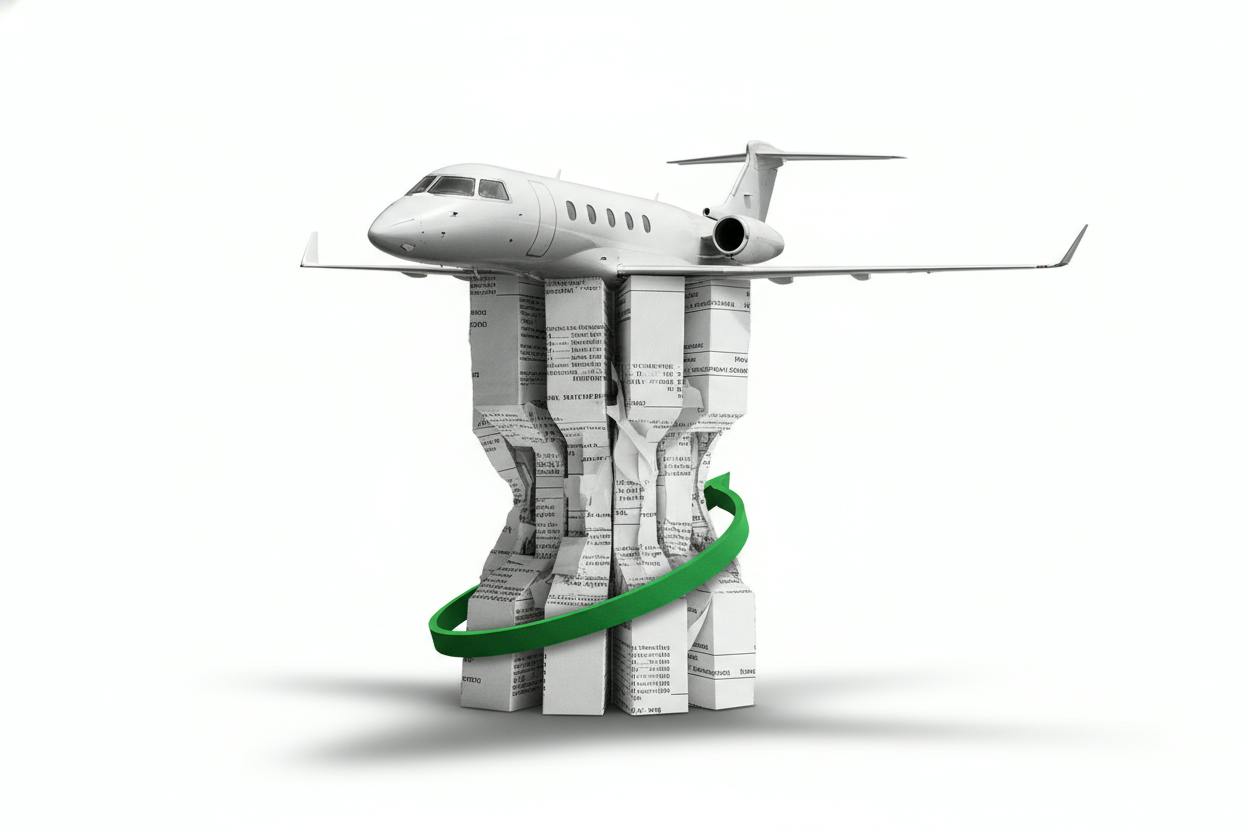
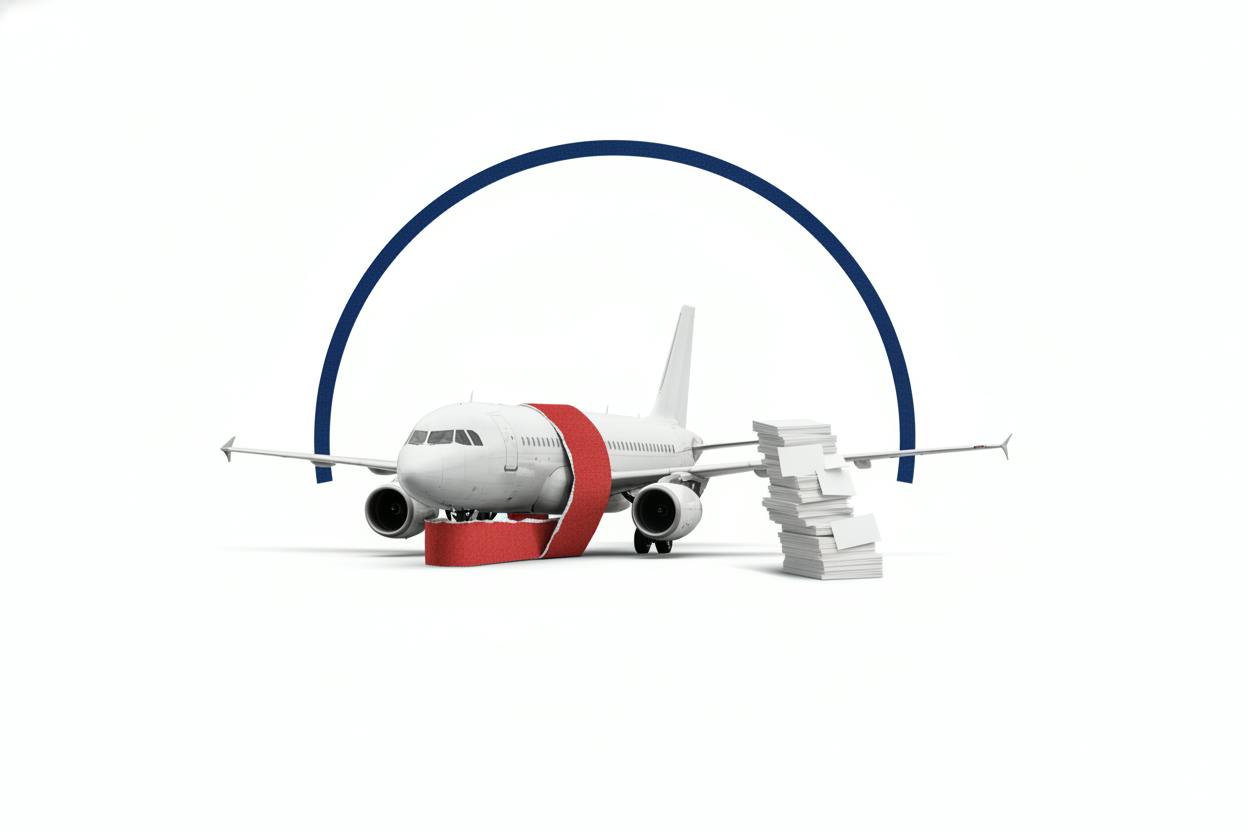
Airbus has said it is sitting on a “high level of inventory,” meaning many planes are largely built and waiting for final handover. That sounds reassuring, but the last mile is often where things break. Engine shortages and supply-chain hiccups can stall paperwork, cabin completion, or the parts needed to make an aircraft deliverable. If those bottlenecks linger into year-end, Airbus can end up with plenty of finished jets but fewer deliveries, shifting revenue and cash into the next period.
This is not a new problem for the industry. Planemakers have spent the past few years wrestling with supply-chain disruptions, from raw materials to specialized components. The result has been a pattern where production targets are met or exceeded, but deliveries lag because of final-assembly bottlenecks. For Airbus, the fourth quarter is traditionally its busiest, but a record quarter would be needed to close the gap.
What a record quarter would take
To reach around 870 deliveries, Airbus would need to hand over roughly 250 jets in the fourth quarter, based on the October pace. That would be a record for the company, surpassing its previous best quarter. The company has not given a specific number for the fourth quarter, but the math is clear: it needs a strong finish.
The company's inventory of finished planes is a double-edged sword. On one hand, it means the planes are built and ready, so the path to delivery is shorter. On the other, it means the company is carrying the cost of those planes without the revenue, tying up working capital. If Airbus can convert that inventory into deliveries, it could release a significant amount of cash. If not, the cash stays locked up, and the fourth-quarter cash result could disappoint even if demand remains strong.
What it means for investors
For markets, Airbus's around-870 target is really a fourth-quarter cash-conversion test. When Airbus says it has a lot of inventory, investors hear a potential working-capital release – cash moving out of “planes sitting on the tarmac” and into the bank – if those jets get handed over on time. But if engine availability or other supply snags delay the final sign-off, that cash stays tied up even though the plane is built, and the fourth-quarter cash result can disappoint without any change in longer-term demand.
Friday's official delivery report is the next clean read on whether Airbus is converting that inventory into year-end handovers at the pace its full-year target implies. Investors will also be watching for any commentary on supply-chain constraints, particularly around engines, which have been a persistent bottleneck across the industry.
For everyday investors, the key takeaway is that Airbus's delivery numbers are not just a measure of how many planes it can build – they are a measure of how efficiently it can turn production into cash. A strong fourth quarter would be a positive signal for the company's financial health, while a miss could raise questions about its ability to manage supply-chain risks. Either way, Friday's report will provide a clearer picture of where the company stands.
In the broader context, Airbus's performance is a bellwether for the aerospace supply chain, which has been under pressure for years. The company's ability to hit its targets is closely tied to the health of its suppliers, from engine makers to cabin equipment providers. Any delays in those areas can ripple through the entire industry, affecting not just Airbus but also its customers, who are waiting for planes to expand their fleets.
As the year winds down, all eyes will be on Airbus's delivery numbers. The company has a clear target, a large inventory of finished planes, and a history of strong fourth-quarter performance. Whether it can pull off a record finish remains to be seen, but the stakes are high for the company and its investors.