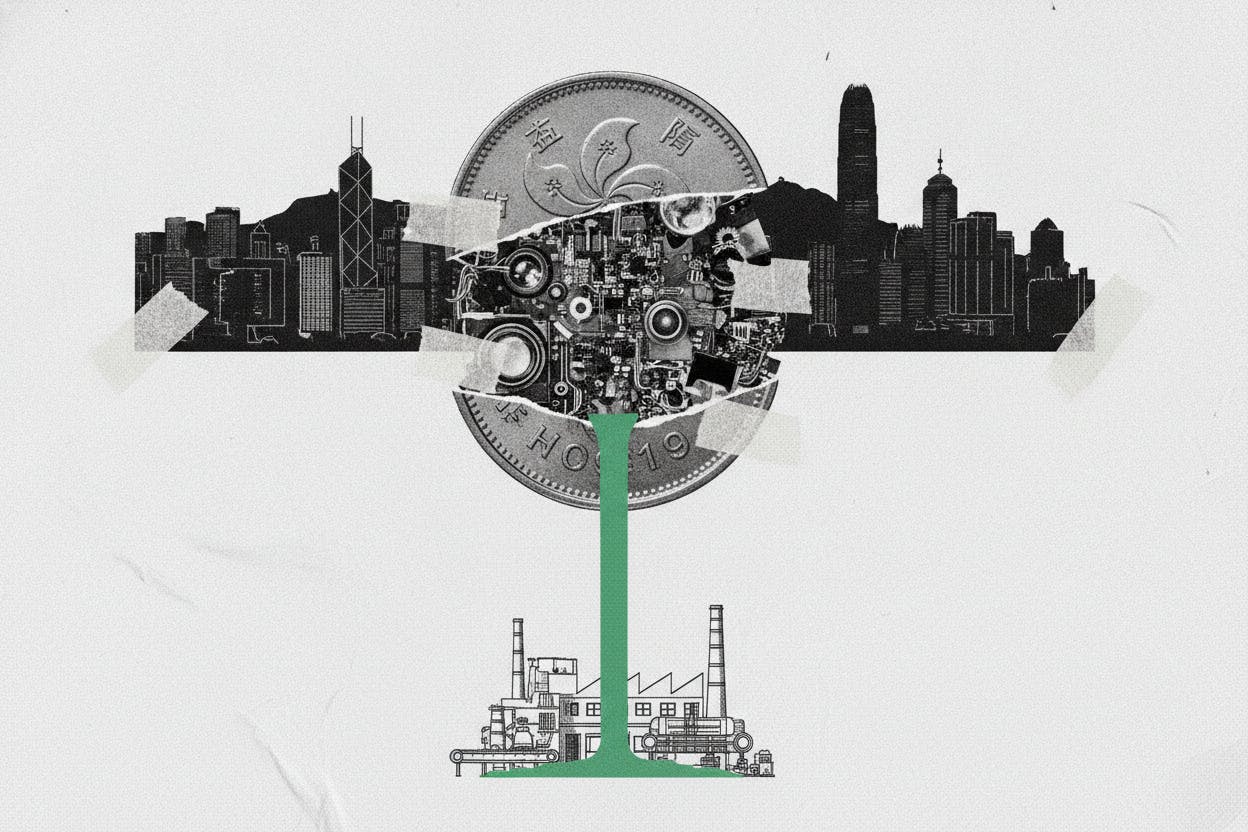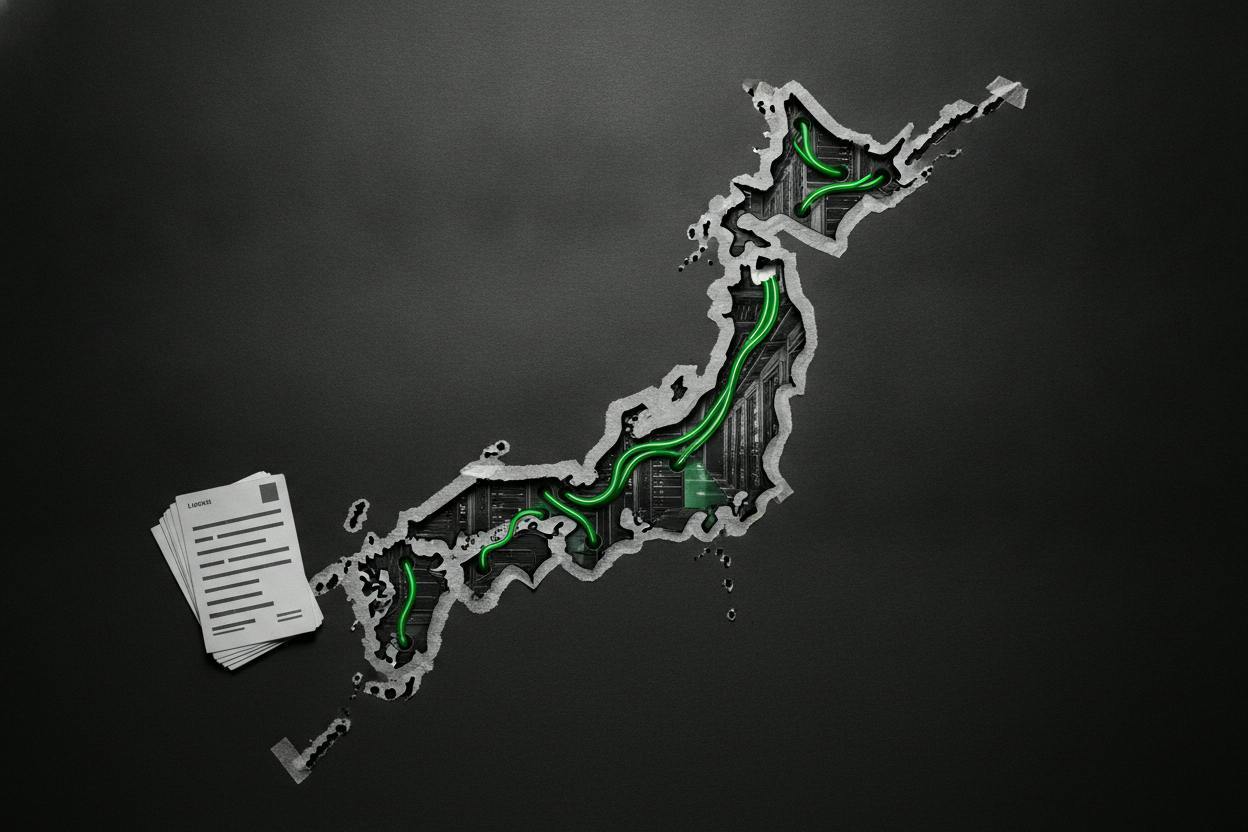
Australian data center operator Airtrunk is deepening its bet on Japan's artificial intelligence boom, committing another $1 billion (155 billion yen) to its Inzai campus. The funds, raised through a syndicated green loan, will pay for liquid cooling systems designed to keep power-hungry AI servers from overheating.
The announcement lifts Airtrunk's total planned investment in Japan to $9 billion (1.4 trillion yen), underscoring how AI demand is reshaping what data centers must deliver—and how much capital it takes to get there.
Why liquid cooling matters
Traditional data centers rely on air conditioning to cool servers. But the latest AI chips generate far more heat, and air alone often isn't enough. Liquid cooling runs coolant directly near the processors, allowing them to run at full speed without throttling down to avoid overheating.
For everyday investors, this is a behind-the-scenes shift that affects the cost and capability of the digital infrastructure we all depend on. As AI applications grow, the data centers hosting them need more power, more space, and more sophisticated cooling—all of which costs money and takes time to build.
The long road to 2028
Airtrunk's CEO Robin Khuda said the first new capacity from this investment should start coming online in January 2028. That timeline highlights a key reality of hyperscale data centers: they can take years to design, permit, and construct.
For investors, that long lead time has a direct implication. With new supply not arriving until 2028, existing data center operators in Japan may keep more pricing power in the near term, especially for space that can support advanced AI hardware. That could be good news for companies already operating in the market.
But the bigger signal may be in the financing structure. The loan is syndicated—meaning multiple banks share the risk—and coordinated by Sumitomo Mitsui Banking, MUFG Bank, United Overseas Bank, and Natixis, with ten banks involved in total. This kind of arrangement spreads construction and technology risk across lenders, and it signals that banks are increasingly comfortable funding “green” digital infrastructure, even when payback is years away.
What it means for investors
For those watching the data center sector, the key takeaway is about funding. If banks are willing to syndicate large green loans for liquid-cooled upgrades, more projects can clear the funding hurdle. That raises the odds of a larger build pipeline across Japan, which could mean tougher competition and more price pressure once 2028-era capacity starts arriving.
In the meantime, the near-term outlook for existing data center operators in Japan remains relatively strong, as demand for AI-ready space outpaces supply. This dynamic is part of a broader trend: Japan's factory confidence has hit a near three-year high, driven in part by chip demand, and the country is racing to bolster its semiconductor and AI infrastructure.
Airtrunk's move also fits into a wider global pattern. Data center operators worldwide are scrambling to meet AI demand, and many are turning to green financing to fund expansions. For example, Applied Digital's AI data center revenue has soared, though losses have widened as the company invests heavily in growth.
Investors should also keep an eye on Japan's broader economic backdrop. The Bank of Japan has been adjusting its monetary policy, and the Tokyo Exchange has launched BOJ overnight rate futures as rate swings quicken. Higher rates could raise borrowing costs for future projects, but for now, green loans like Airtrunk's suggest lenders are willing to support long-term infrastructure plays.
The bottom line
Airtrunk's $1 billion green loan is a clear sign that AI is driving massive capital investment in data centers, and that financing is available for projects that promise to be more energy-efficient. For investors, the near-term story is about pricing power for existing operators, while the longer-term story is about a potential supply wave that could reshape competition in Japan's data center market.
As always, it's important to remember that infrastructure projects carry risks, including construction delays, technology changes, and shifts in demand. But for those looking at the big picture, Airtrunk's commitment is another data point showing that the AI boom is not just about software—it's about the physical infrastructure that makes it all possible.