Micron Technology, the US-based chipmaker, has revealed that its largest AI and data-center customers have committed $22 billion in deposits and long-term contracts to lock in future supplies of high bandwidth memory (HBM). The announcement, which accompanied a stronger-than-expected profit and revenue forecast, sent Micron shares higher in after-hours trading. But the headline number is only part of the story—the structure of these deals could fundamentally change how investors value the company.
What Are Take-or-Pay Contracts and Why Do They Matter?
Memory chips have historically been a commodity-like business. Prices swing wildly based on supply and demand, and chipmakers like Micron have little control over the market. That volatility makes earnings unpredictable, often lurching from boom to bust. But Micron is now shifting the model for its most advanced product: high bandwidth memory, a specialized chip used in AI training and inference systems.
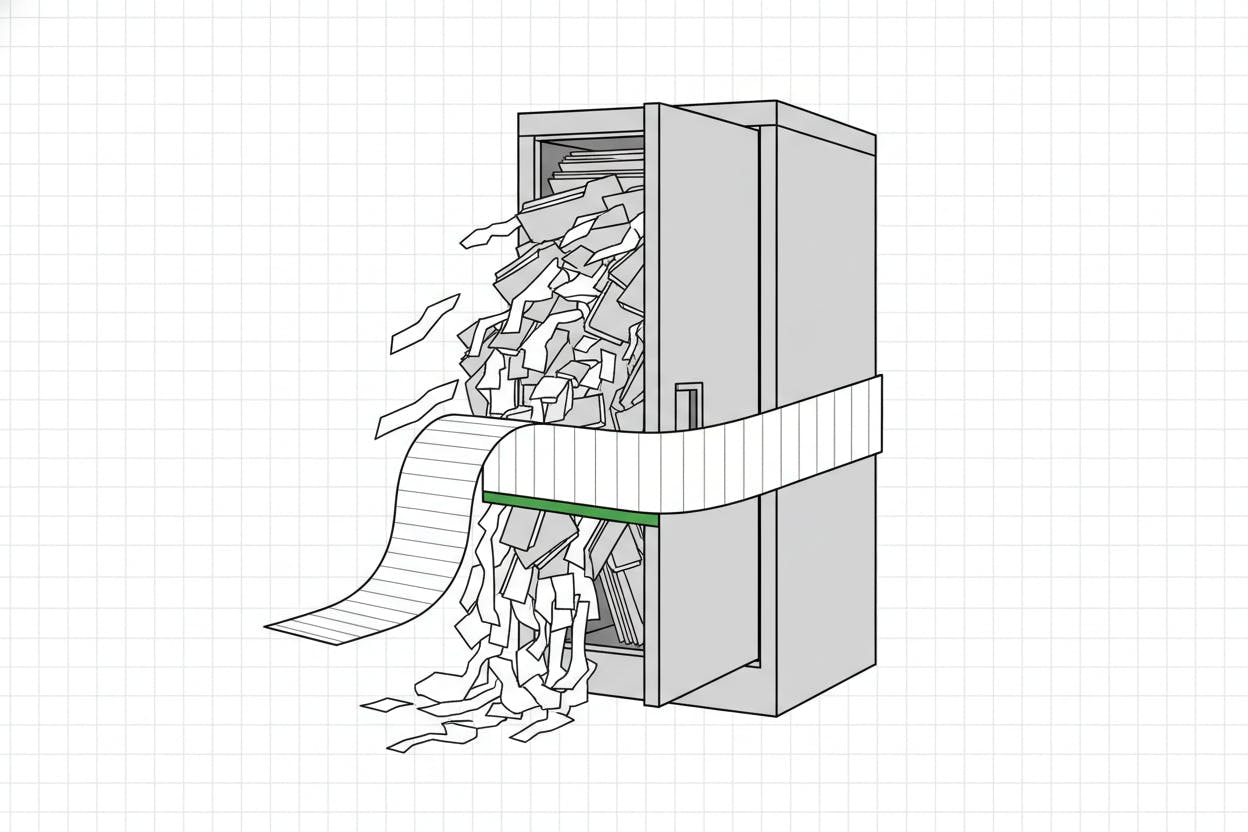
The company says it has signed 16 strategic agreements that include take-or-pay clauses—meaning customers must pay even if they don't take delivery—and pricing floors, which set a minimum price per chip. Together, these deals represent $22 billion in customer commitments. Micron also pegged its remaining performance obligations (work it has contracted to deliver in the future) at roughly $100 billion, a rough gauge of future revenue already spoken for.
This structure is unusual for the memory industry. Typically, chipmakers sell into a spot market where prices can reset daily. By locking in demand and putting a floor under prices, Micron is trying to reduce its exposure to those swings. CEO Sanjay Mehrotra said the tight supply of HBM could last at least two years, and possibly beyond calendar 2027, as AI demand continues to outpace production capacity.
Why This Matters for Investors
For everyday investors, the key takeaway is that Micron's revenue stream may become more predictable. Memory-chip stocks are often valued as commodity businesses because their profits can disappear quickly when prices fall. But if a meaningful share of Micron's AI-related sales stays under these long-term contracts, analysts may start treating more of its cash flow as contracted rather than market-driven.
Steadier cash flows typically translate into lower perceived risk, which can support a higher valuation multiple. That could be especially important as Micron spends heavily to expand production capacity. The company acknowledged that it needs to invest more to meet demand, and if supply eventually loosens or customers shift toward cheaper memory designs, the premium pricing it enjoys today could become harder to defend.
Still, the $22 billion in deposits and the broader $100 billion in performance obligations suggest that for now, demand is strong and customers are willing to pay upfront to secure supply. That's a vote of confidence in Micron's technology and its ability to deliver the high-performance memory that AI systems require.
Broader Market Context
Micron's news comes amid a broader rally in AI-related stocks, as investors bet that the boom in generative AI will drive sustained demand for chips and data-center infrastructure. The company's shares surged 15% in after-hours trading, echoing a pattern seen in other chipmakers like Nvidia and AMD. For context, Micron's stock has also benefited from easing inflation fears, as lower oil prices reduce pressure on the broader economy. (Read more: Micron Surges 15% After Hours as Oil Plunge Eases Inflation Fears.)
The shift to contracted revenue could also make Micron more attractive to long-term investors who prefer steady income over speculative bets. While the company still faces risks—including potential oversupply in the memory market and the high cost of building new fabrication plants—the take-or-pay structure provides a buffer that most memory chipmakers lack.
What to Watch Next
Investors will be watching Micron's next earnings report for details on how much of its revenue is covered by these contracts, and whether other memory makers like Samsung and SK Hynix adopt similar models. The broader question is whether the AI boom will permanently change the memory industry's pricing dynamics, or whether today's tight supply will eventually give way to the familiar cycle of glut and bust.
For now, Micron's $22 billion in customer commitments is a clear signal that AI customers are willing to pay a premium for certainty. That could be good news for shareholders—and a sign that the memory chip business is evolving into something more predictable.