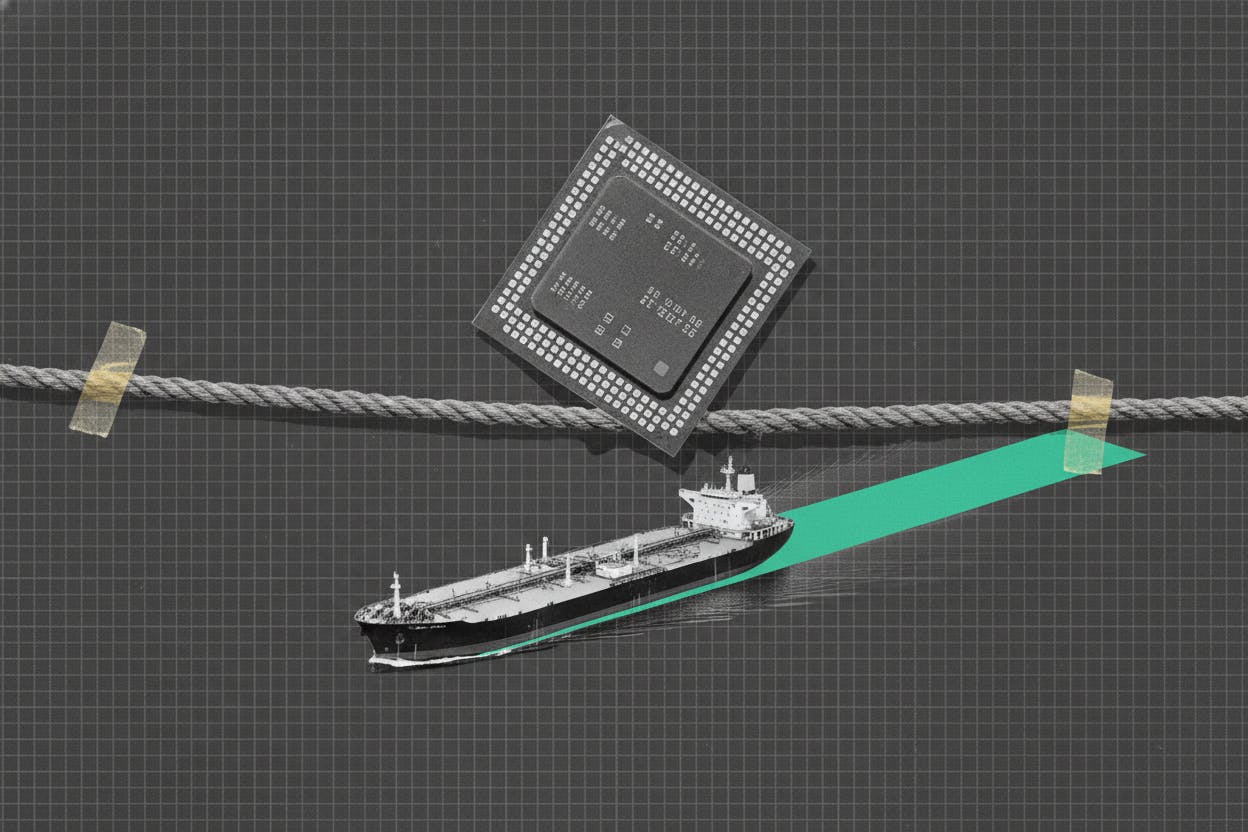
Markets experienced a tug-of-war on Wednesday, with AI-chip stocks under pressure but a standout earnings report from Micron providing a bright spot. At the same time, oil prices tumbled as geopolitical tensions eased in a key shipping lane, offering relief to inflation-wary investors.
Micron's After-Hours Surge
Micron Technology, a major memory-chip maker, saw its stock dip during regular trading but then jump 15% after hours. The move came after the company reported fiscal third-quarter results that beat analyst estimates. For investors, the pop was a reminder that even in a market obsessed with the AI theme, individual company fundamentals still matter.
The broader tech sector, however, remained under pressure. The Nasdaq and S&P 500 both edged lower for a third straight session, as investors questioned how much of the AI boom is already priced into stocks. This jittery sentiment has been building for weeks, with many traders taking profits after a strong run in chipmakers like Nvidia and AMD.
Oil Prices Slide on Hormuz Traffic Improvement
On the macro front, the biggest move came from energy markets. West Texas Intermediate (WTI) crude, the US benchmark, fell 4.7% to $69.79 a barrel. Brent crude, the international benchmark, dropped 5.2% to $73.09. The catalyst: a meaningful increase in tanker traffic through the Strait of Hormuz, a narrow waterway that handles about a fifth of the world's oil supply.
According to shipping-data provider Kpler, as cited by financial services firm Stifel, 39 ships transited the strait on Monday, up from near-zero levels during recent disruptions. While that's still well below the typical 100-plus daily transits, it represents a significant step toward normal operations after months of geopolitical tension in the region.
When a key shipping lane looks less threatened, traders often remove part of the so-called "geopolitical risk premium" from oil prices. That premium is the extra cost built into crude to account for potential supply disruptions. As it fades, oil prices can fall quickly, which is exactly what happened Wednesday.
What It Means for Your Portfolio
Oil is one of the quickest ways geopolitics can hit your investments, because it feeds directly into expectations for gasoline prices and broader inflation. So when WTI drops 4.7% to $69.79 on better Hormuz traffic, it often signals a smaller inflation "insurance premium" in market pricing.
That backdrop tends to support US government bonds, pushing yields lower. The 10-year Treasury yield slid to 4.41% on Wednesday, reflecting reduced inflation fears. Lower yields can be a tailwind for growth stocks, especially in tech, because they make future earnings more valuable today.
At the same time, falling oil prices took some steam out of assets that investors lean on as inflation hedges. Gold and silver both fell sharply, as the need to protect against rising prices seemed less urgent. This classic playbook—lower oil, lower yields, lower precious metals—played out in real time.
For everyday investors, the key takeaway is that oil prices remain a powerful force in shaping market sentiment. A sustained drop in crude could ease inflation worries further, potentially giving the Federal Reserve more room to consider rate cuts later this year. That would be a positive for stocks broadly, but especially for rate-sensitive sectors like technology and real estate.
However, the situation remains fluid. The Strait of Hormuz is still far from fully operational, and any new disruption could quickly reverse the oil price decline. Investors should watch shipping data and geopolitical headlines closely in the coming days.
In the meantime, Micron's strong earnings offer a reminder that not all tech stocks are created equal. Companies that can deliver solid results even amid sector-wide jitters may be better positioned to weather the storm.