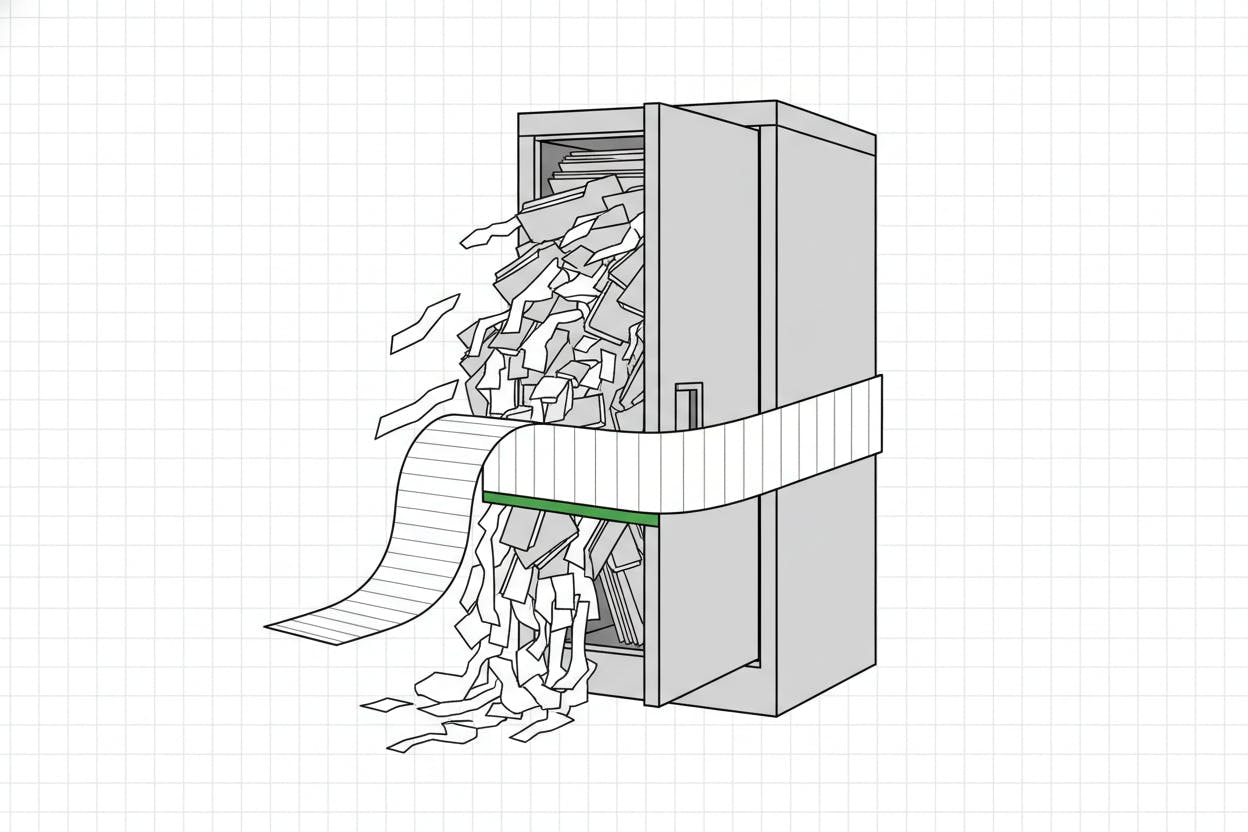
Nvidia, the chipmaker at the center of the artificial intelligence boom, is reportedly planning to invest up to $3 billion in Lancium, a Texas-based company that secures land and electricity for AI data centers. The move underscores a growing reality for the AI industry: the biggest constraint on growth may no longer be the chips themselves, but the power needed to run them.
According to The Information, Nvidia's plan starts with an initial investment of about $2 billion for roughly a 20% stake in Lancium. An additional $1 billion would be paid out only if Lancium meets certain milestones, such as getting its data center sites connected to the power grid. This structure is notable because it ties a significant portion of the investment to the company's ability to deliver on the most difficult part of its business.
Why power is the new bottleneck
AI data centers are massive consumers of electricity. Training and running large language models requires thousands of specialized chips, all of which draw enormous amounts of power and generate significant heat. As AI adoption has surged, so has the demand for electricity, and utilities and grid operators are struggling to keep up.
The process of connecting a new data center to the power grid—known as interconnection—can take years, as it involves securing permission from grid operators, building new substations, and sometimes upgrading transmission lines. For companies like Nvidia, which sells the chips that go into these data centers, the speed at which new facilities can come online directly affects how quickly they can sell their products.
Lancium's business model is built around solving this problem. The company acquires land and secures power capacity in areas where electricity is available and often cheaper, such as Texas, which has its own independent grid and a deregulated energy market. By lining up these resources in advance, Lancium aims to shorten the time it takes to get an AI data center up and running.
The company is also tied to Stargate, a major AI infrastructure project backed by OpenAI and others. Lancium is reportedly involved in the first operating campus associated with Stargate, which makes it a strategically important partner for Nvidia.
What the deal structure tells us
The milestone-based structure of Nvidia's investment is a sign of how carefully investors are scrutinizing AI infrastructure deals. Rather than paying the full $3 billion upfront, Nvidia is tying a third of the investment to Lancium's ability to deliver on its promises—specifically, getting its sites connected to the grid.
This is a prudent approach, given the risks involved. Power interconnection is often the most unpredictable part of a data center project, subject to regulatory delays, supply chain issues, and local opposition. By linking part of the investment to successful grid hookups, Nvidia is protecting itself against the possibility that Lancium's projects face delays or fail to materialize.
For Lancium, the investment provides a significant cash infusion and a powerful endorsement from one of the most important companies in the AI ecosystem. It also gives Lancium the financial backing to expand its portfolio of sites, which could make it a more attractive partner for other AI companies as well.
What it means for investors
For everyday investors, this deal is a reminder that the AI boom is not just about chipmakers like Nvidia. The entire supply chain—including land, power, and construction—is becoming increasingly valuable. Companies that can secure the resources needed to build AI infrastructure are likely to see strong demand for their services.
It also highlights a potential risk for AI investors: the industry's growth could be constrained by physical limitations, such as electricity availability, rather than by demand for AI products. If power becomes a bottleneck, it could slow the pace of data center construction, which would in turn affect the revenue of companies like Nvidia that depend on selling chips to those data centers.
Nvidia's investment in Lancium is part of a broader pattern of the company making strategic bets to ensure its ecosystem can grow. Earlier this year, for example, an Nvidia-backed firm raised $2 billion to build AI data centers across Asia-Pacific, a sign that the company is looking to secure capacity in multiple regions.
For now, the Lancium deal is still a reported plan, not a finalized agreement. But if it goes through, it would give Nvidia a direct stake in the power infrastructure that underpins the AI revolution—and a way to help ensure that the electricity needed to run its chips is available when and where it's needed.
Investors should watch for further details on the deal, as well as for how quickly Lancium can deliver on its grid connection milestones. The pace of those connections could be a leading indicator for the broader AI infrastructure buildout.