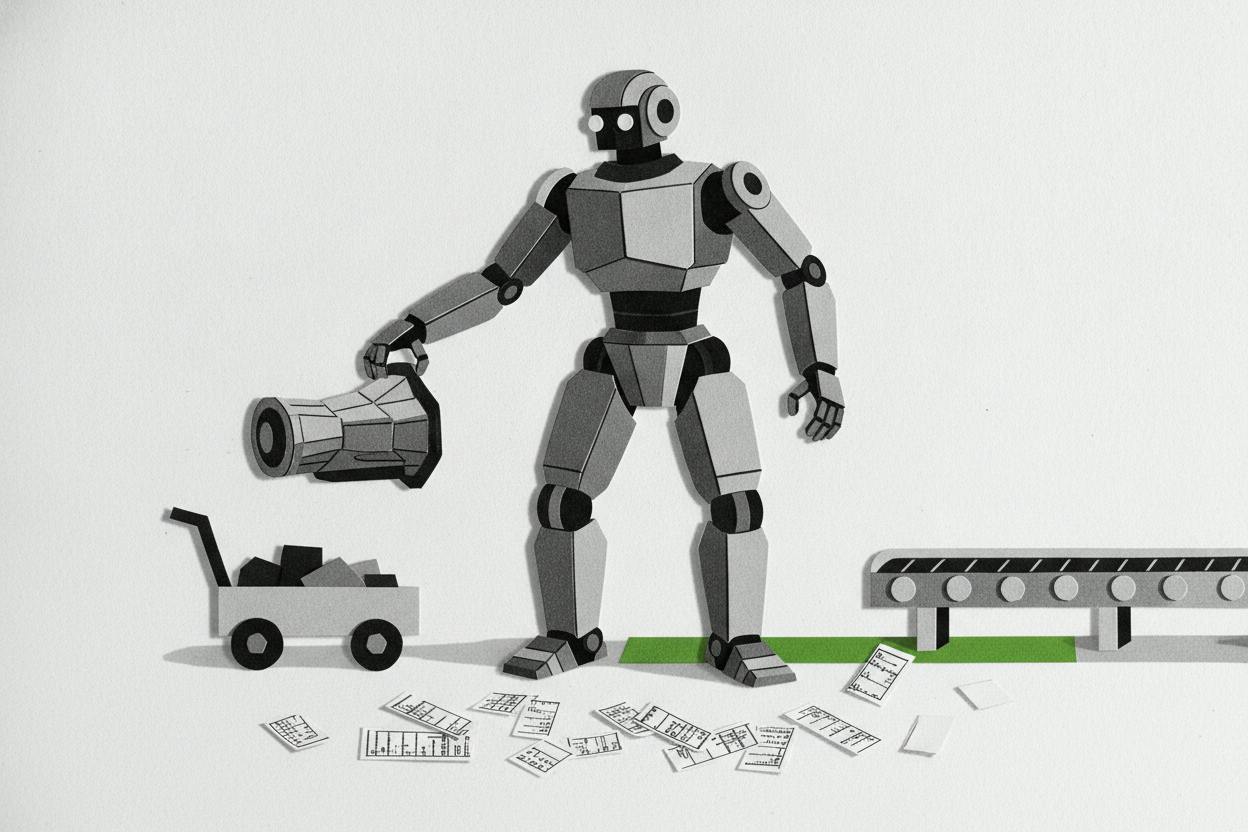
Boston Dynamics has opened a Robotics Metaplant Application Center (RMAC) at Hyundai Motor's US "metaplant," a facility designed to train its Atlas humanoid robots for real factory work. The center will initially focus on parts sequencing — the process of picking, sorting and delivering components to the right place on the production line at the right time — with component assembly expected to follow by 2030, according to the source brief.
The move marks a concrete step in the long-running effort to move humanoid robots out of the lab and onto factory floors. Hyundai, which owns a controlling stake in Boston Dynamics, has been positioning itself as an early adopter of advanced robotics across its manufacturing network. The metaplant — a term Hyundai uses for its highly automated, software-defined factories — serves as the testing ground for that ambition.
Why parts sequencing comes first
Parts sequencing is a logical starting point for humanoid robots because it is repetitive, physically demanding and relatively structured. Workers in these roles move bins, sort components and feed assembly stations — tasks that require mobility and dexterity but less fine motor precision than, say, fitting electrical connectors or tightening bolts to exact torque specifications.
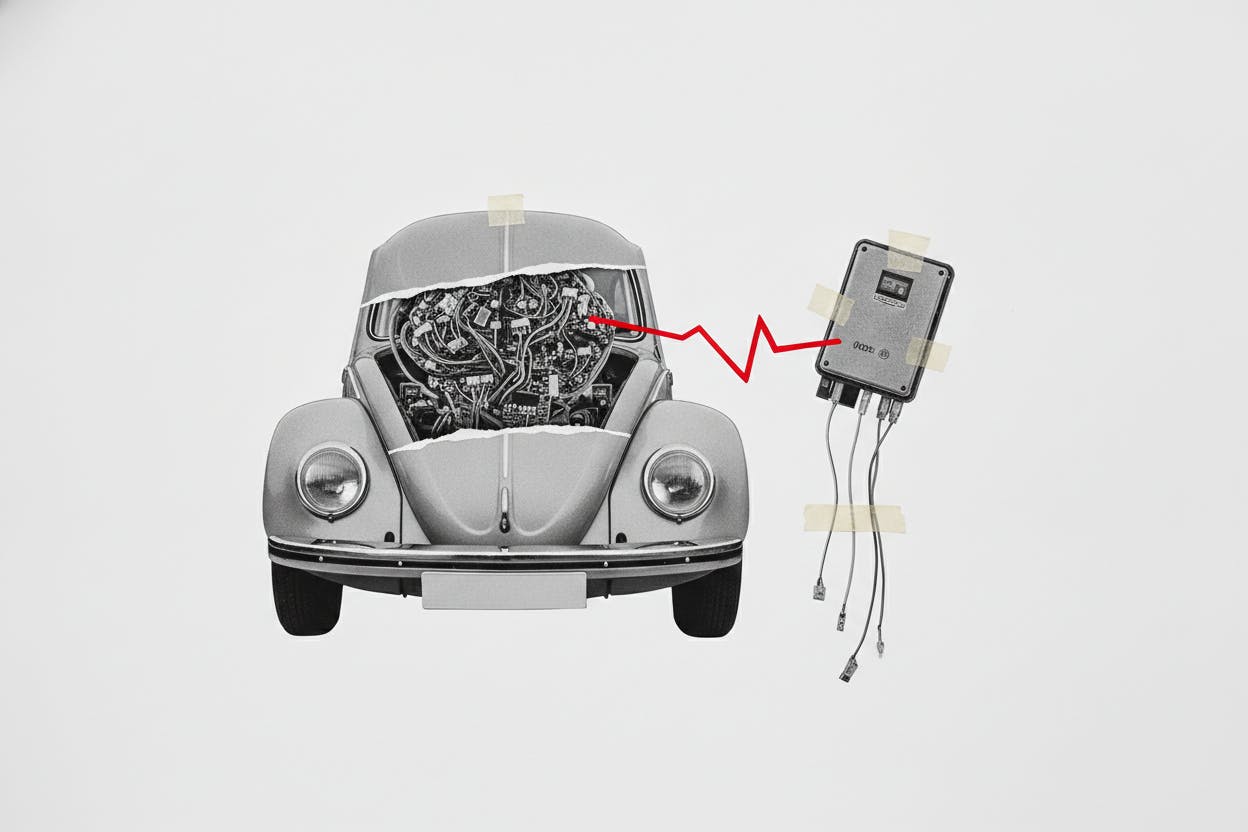
For Boston Dynamics, the RMAC gives Atlas a controlled environment to learn and improve. Humanoid robots are still far from matching human speed and reliability on complex assembly lines. As our coverage notes, humanoid robots remain a niche compared with traditional industrial robots, which have dominated factory automation for decades and are typically fixed in place and built for one specific task.
The gap between a humanoid demo and a humanoid that can work a full shift without breaking down is enormous. Training centers like the RMAC are meant to close that gap by exposing robots to real production conditions — variable lighting, unpredictable part positions, and the wear and tear of daily use.
The broader race to automate factories
Boston Dynamics is not alone in pursuing this vision. Competitors such as Figure AI are also developing humanoid robots for industrial use, and advances in AI training methods — including learning by watching humans — are accelerating progress. Meanwhile, regulators in key markets are beginning to take notice: China's data regulator has set standards for robot training data, a sign that governments see both the promise and the risks of the technology.
Hyundai's own automation push extends beyond humanoids. The company has been working on in-house driver-assist software and has partnered with Nvidia on advanced computing for its vehicles, though timelines have shifted. These efforts share a common thread: Hyundai wants to control more of the software and robotics stack rather than relying entirely on outside suppliers.
For everyday investors, the humanoid robot story is still mostly a long-term bet. Most of the revenue in factory automation today comes from conventional industrial robots and software, not humanoids. Companies in this space often talk about multi-year timelines because the engineering challenges are immense and the safety and reliability standards are high.
What it means for investors
Hyundai Motor is a publicly traded automaker, and its investment in Boston Dynamics is part of a broader strategy to differentiate its manufacturing and potentially sell robotics solutions to other companies. If Atlas proves capable of handling parts sequencing reliably, it could reduce labor costs and improve flexibility on Hyundai's own lines — and, more importantly, create a product that other manufacturers might buy.
That said, investors should keep expectations grounded. The brief notes that component assembly is not expected until 2030, which underscores how early this still is. Humanoid robots face stiff competition from cheaper, simpler automation, and the economics of replacing human workers with robots depend on factors like robot cost, maintenance, uptime and the availability of human labor.
What to watch next: progress reports from the RMAC, any announcements about expanding Atlas to additional Hyundai facilities, and whether Boston Dynamics begins marketing its robots to outside customers. For now, the opening of the RMAC is a signal that Hyundai and Boston Dynamics are serious about moving from prototypes to production — but it is one step in a very long journey.