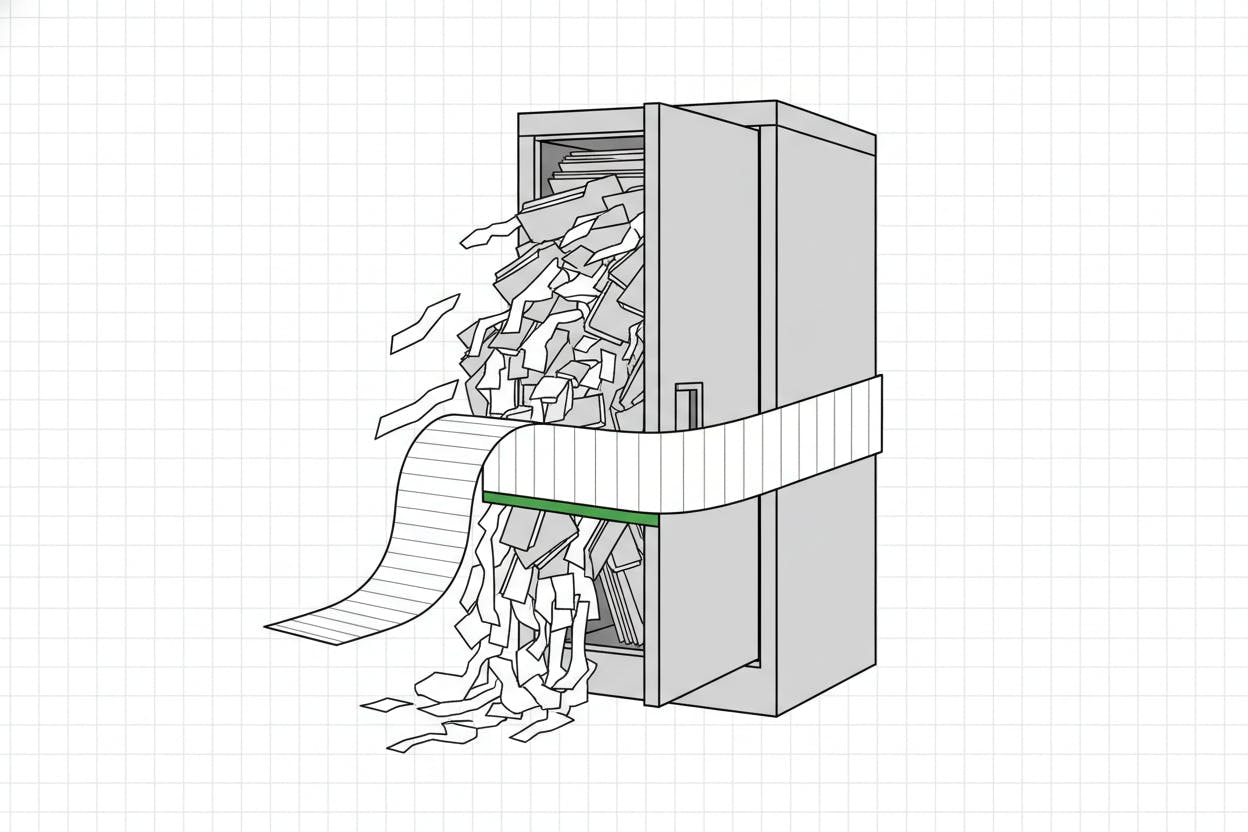
China's National Data Administration (NDA) is stepping up its role in the fast-growing field of embodied intelligence—robots and machines that learn from real-world data. After a Sept. 10 symposium with research labs and companies, officials said they will promote common data standards and encourage larger investment in the training data these systems depend on.
The move is a clear signal that Beijing sees data as a strategic asset in the global race to build smarter, more capable robots. For everyday investors, it's a reminder that the next wave of tech growth may not come from software alone, but from the physical world—and the data that connects them.
What is embodied intelligence?
Embodied intelligence refers to artificial intelligence that operates in the physical world, typically through robots, autonomous vehicles, or other machines. Unlike chatbots that learn from text, these systems need vast amounts of sensor data—images, motion, touch, and spatial information—to recognize objects, plan actions, and move safely outside controlled environments.
That's why data is so critical. A robot that can pick up a cup or navigate a crowded room needs to be trained on thousands of real-world examples. Without shared standards for how that data is collected, labeled, stored, and shared, each lab or company ends up building its own isolated data set, slowing progress and raising costs.
The NDA's symposium, led by director Liu Liehong, brought together researchers and companies to discuss exactly these challenges. The agency's plan to standardize data practices is aimed at breaking down those silos and making it easier for the entire industry to learn from a common pool of high-quality data.
Why standards matter
Standards are the invisible infrastructure of any technology industry. They ensure that data from different sources can be combined and compared, which is essential for training AI models that work reliably in the real world. In embodied intelligence, where safety is paramount, consistent labeling and quality control are especially important.
Without standards, a robot trained in one lab might fail in another because the data formats or labeling conventions differ. By promoting common rules, the NDA hopes to accelerate development and make it easier for companies to scale up from prototypes to commercial products.
The agency also signaled it will encourage bigger investment in training data. That could mean direct funding, tax incentives, or policy support for companies that build large-scale data sets. For investors, this is a sign that the Chinese government is willing to back the infrastructure needed for embodied intelligence to thrive.
What it means for investors
For investors, the NDA's push is a double-edged sword. On one hand, it could create opportunities for companies that specialize in data collection, labeling, and storage for robotics. These firms could benefit from increased demand and clearer rules that make their services more valuable.
On the other hand, standardization can also level the playing field, making it harder for any single company to maintain a proprietary advantage. If data becomes a shared commodity, the competitive edge may shift to companies that excel at using that data to build better algorithms or more reliable robots.
The broader context is also important. China has been investing heavily in robotics and AI, and this move fits into a larger pattern of government support for strategic technologies. It also comes as global interest in embodied intelligence grows, with companies and research labs around the world racing to develop robots that can work alongside humans.
For investors, the key takeaway is that data is becoming a critical asset class in the AI economy. Just as oil powered the 20th century, data is powering the 21st—and embodied intelligence is one of the most data-hungry applications yet. Companies that can efficiently collect, manage, and monetize this data could be well-positioned for growth.
That said, the sector is still young, and there are risks. Standards are only useful if they are adopted, and investment in training data may take years to pay off. Investors should watch how the NDA's plans translate into concrete policies and whether companies actually see benefits in the form of faster development or lower costs.
In the meantime, the announcement is a useful reminder that the AI story is not just about chatbots and cloud computing. The next frontier is physical intelligence, and China is making clear it intends to lead.