Akzo Nobel, the Dutch paint and coatings giant behind the Dulux brand, delivered a second-quarter profit that beat analyst expectations, thanks to price increases implemented earlier in the year that absorbed a new wave of higher raw material costs. The company's ability to maintain margins in a challenging inflationary environment underscores the pricing power of major consumer goods firms.
How Akzo Nobel Beat the Odds
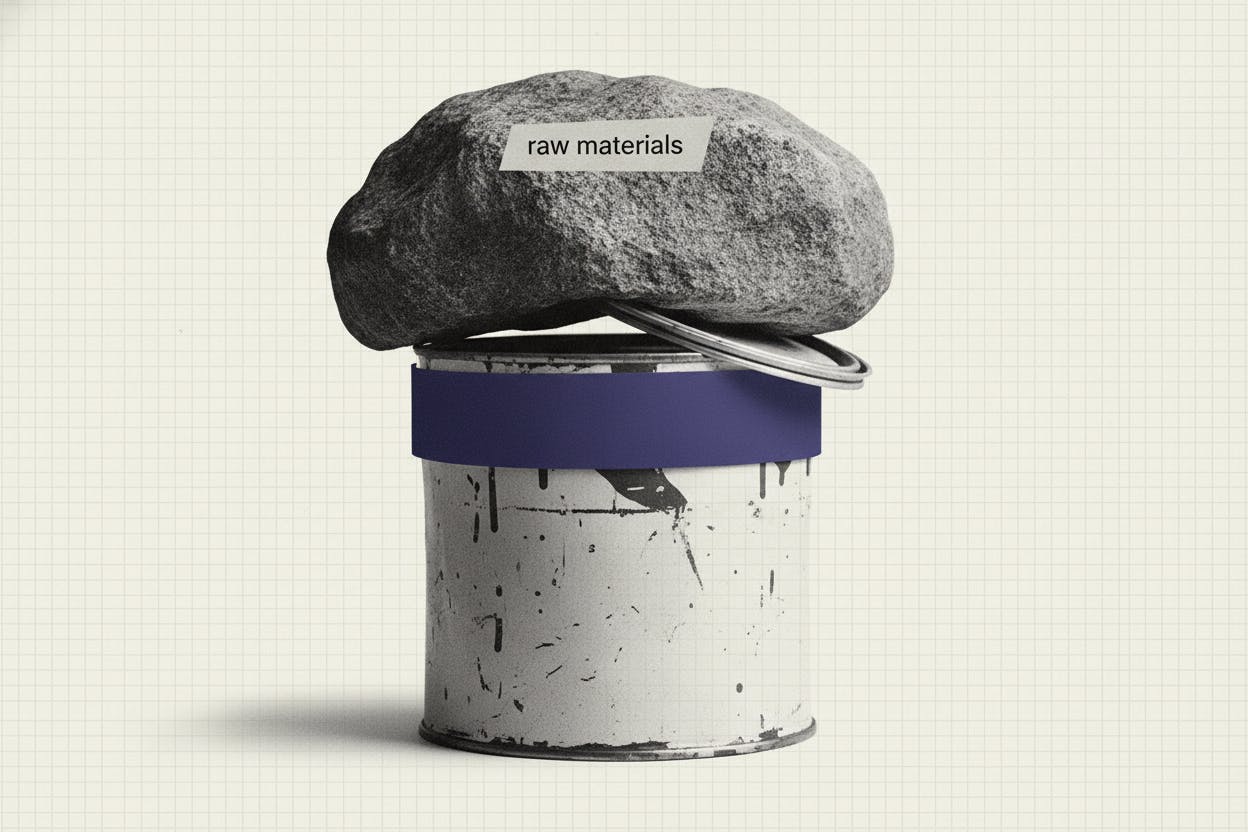
Like many manufacturers, Akzo Nobel has been grappling with rising costs for key inputs such as titanium dioxide, resins, and solvents. Rather than passing those costs through immediately, the company relied on price hikes it had already put in place to protect its bottom line. This strategy allowed it to report earnings that came in ahead of forecasts, even as input cost pressures mounted.
The result is a clear signal that Akzo Nobel's management has been able to navigate the tricky balance between keeping products affordable for consumers and maintaining healthy profit margins. For everyday investors, this is a reminder that companies with strong brand recognition—like Dulux—often have more flexibility to raise prices without losing customers.
The Merger Vote: What's at Stake
Investors are now looking ahead to a key date: August 5th, when Akzo Nobel shareholders will vote on the company's proposed merger with Axalta, a U.S.-based coatings manufacturer. The deal, if approved, would create one of the world's largest paint and coatings companies, combining Akzo Nobel's strong presence in decorative paints with Axalta's expertise in industrial and automotive coatings.
Mergers of this scale can offer cost synergies and expanded market reach, but they also carry integration risks. Investors will be watching closely to see whether the combined entity can deliver on promised savings and growth. The vote is a pivotal moment for both companies, and the outcome will shape the competitive landscape of the global coatings industry.
What It Means for Investors
For everyday investors, Akzo Nobel's earnings beat is a positive sign that the company can weather cost pressures, at least in the short term. However, the sustainability of this strategy depends on whether raw material costs continue to rise and whether consumers remain willing to pay higher prices for paint.
The broader context is important here. Inflation has been a persistent concern across many economies, and companies in sectors like consumer goods and chemicals have had to adapt. As we've seen with other firms, such as Norsk Hydro, which also beat profit forecasts recently on higher commodity prices, the ability to pass on costs is a key differentiator.
Investors should also consider the implications of the merger. If the deal goes through, Akzo Nobel shareholders will own a stake in a larger, more diversified company. That could reduce risk by spreading operations across more markets, but it also means betting on a successful integration. The vote on August 5th will be a critical event to watch.
Looking Ahead
Akzo Nobel's performance is a case study in how companies can use pricing power to protect profits during periods of input cost inflation. For investors, the key takeaway is that not all companies are equally vulnerable to rising costs—those with strong brands and market positions often have more leeway.
As the merger vote approaches, attention will shift to the strategic rationale and potential benefits of combining with Axalta. Whether the deal creates value will depend on execution, but for now, Akzo Nobel has shown it can deliver results in a tough environment.