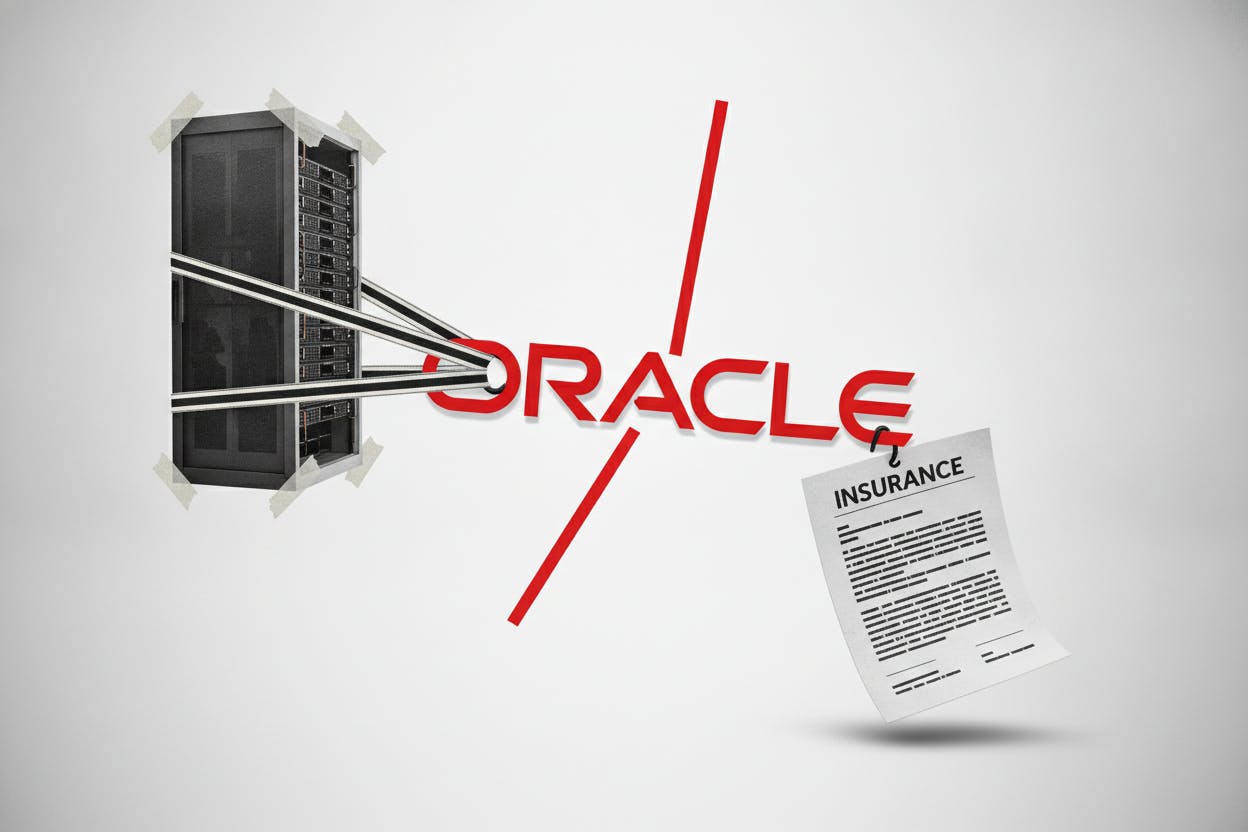
Oracle is set to report its fiscal first-quarter earnings on Thursday, and investors are balancing two very different narratives. On one hand, demand for its cloud-computing services appears robust. On the other, the company's rising credit default swaps—a type of insurance against default—suggest some lingering anxiety about how Oracle will finance its ambitious data center expansion.
What to expect from the numbers
Investment bank Oppenheimer is among those expecting a solid quarter. The firm models revenue of $19.1 billion and adjusted earnings of $1.74 per share, which would represent an 18% year-over-year increase. That bullish outlook is largely tied to Oracle Cloud Infrastructure (OCI), the company's cloud-computing unit that competes with Amazon Web Services, Microsoft Azure, and Google Cloud.
Investors will also be watching "remaining performance obligations" (RPOs)—a metric that represents contracted work not yet booked as revenue. A growing RPO backlog suggests future revenue is already locked in, which is a key indicator of sustained demand. If Oracle reports a strong increase in RPOs, it would signal that customers are committing to long-term cloud contracts, a positive sign for the company's growth trajectory.
The debt question
While the demand side looks promising, the financing side is raising eyebrows. Oracle has been spending heavily to build out data centers to support its AI and cloud ambitions. This capital-intensive strategy has led to a significant increase in debt. Credit default swaps (CDS) on Oracle's debt have risen, indicating that investors are demanding higher compensation to insure against the risk of default. This is a market signal that some see as a warning about the sustainability of Oracle's spending plans.
The concern is not unique to Oracle. Many tech companies are racing to build AI infrastructure, and the costs are enormous. As we noted in our earlier analysis of Oracle's $70 billion AI buildout, the key question is who ultimately pays for all this capacity. If demand doesn't materialize as quickly as expected, or if competition forces price cuts, the debt burden could become a drag on earnings.
What it means for investors
For everyday investors, Oracle's earnings report is more than just a single company's numbers. It's a window into the broader AI infrastructure spending boom. If Oracle beats expectations and raises guidance, it could boost sentiment for tech stocks overall. Conversely, if the company disappoints or signals that financing costs are becoming a problem, it could weigh on the sector.
The rise in credit default swaps is a reminder that even strong companies can face market skepticism when they take on significant debt. Investors should watch not only the headline earnings figures but also any commentary from management about debt levels, interest costs, and the pace of data center spending.
Oppenheimer's estimates suggest a solid quarter, but the market's reaction will depend on whether the company can reassure investors that its growth is worth the financial risk. As we've seen with other tech giants, the market rewards companies that can show a clear path to profitability from their AI investments.
For those looking at the broader picture, Oracle's results come at a time when market volatility has been cooling after big tech earnings. A strong report from Oracle could help sustain that calm, while a weak one might reignite concerns about the sustainability of AI-driven growth.
Ultimately, Oracle's story is a classic tension between growth and financial prudence. The cloud momentum is real, but so are the debt questions. Thursday's report will give investors a clearer picture of whether Oracle can have both.