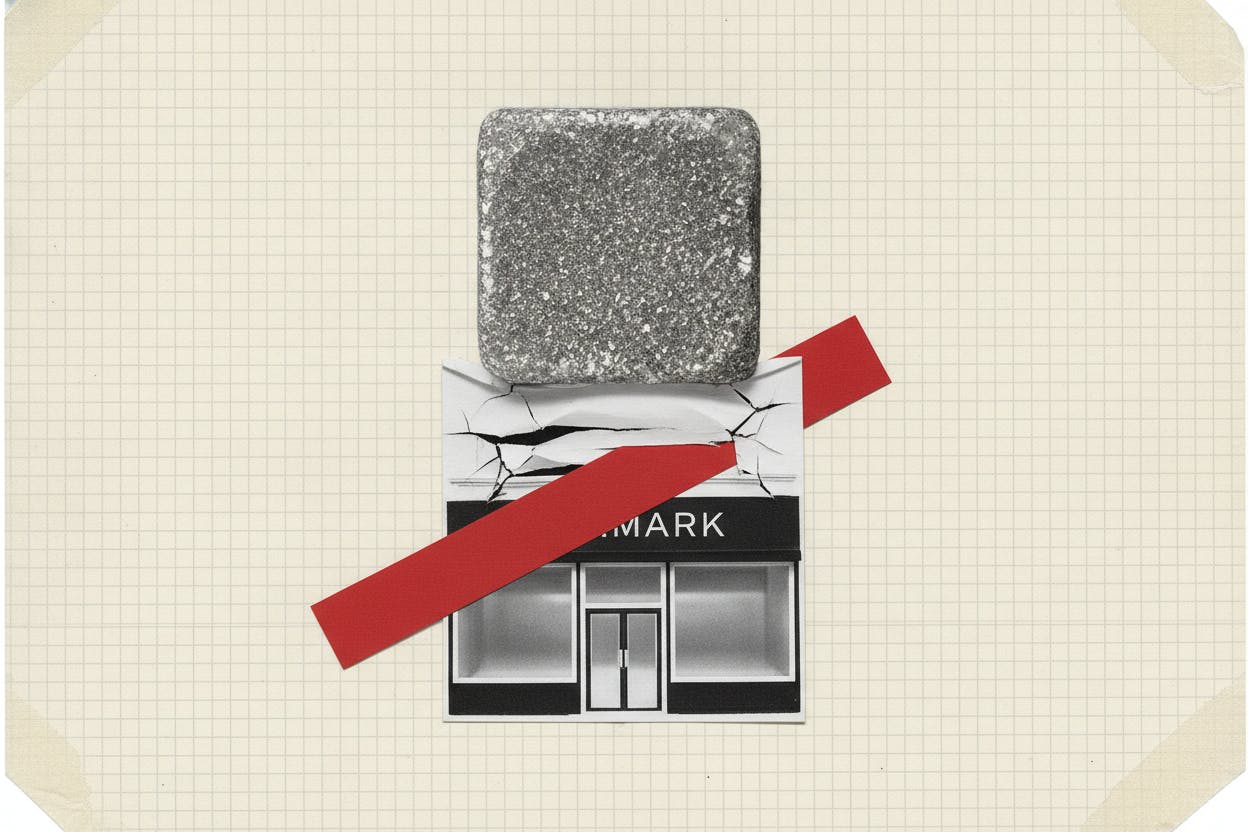
Associated British Foods (ABF) heads into its trading update on Thursday with analysts at Deutsche Bank expecting a modest year-on-year increase in sales. But beneath that headline number, the picture is more mixed: the company's sugar business is forecast to fall by 6%, and its fast-fashion chain Primark is facing fresh price cuts that could delay its margin recovery.
ABF is a diversified food and retail group, best known for its Primark clothing stores and its grocery brands such as Twinings tea, Kingsmill bread, and Jordans cereals. It also runs a large sugar operation, which has been a persistent drag on results in recent years due to volatile prices and regulatory changes in Europe.
What the numbers say
Deutsche Bank's expectation of a sales rise suggests that the group's overall revenue is still growing, helped by food and retail. However, the 6% decline in sugar is a reminder that not all parts of the business are firing at the same pace. Sugar prices have been under pressure in the EU after the end of production quotas, and ABF has been restructuring its sugar operations to cut costs.
Primark, which is the biggest profit driver for ABF, has been recovering from the pandemic-era disruptions and the cost-of-living squeeze. The retailer has been able to pass on some higher costs to shoppers, but the new price cuts mentioned by Deutsche Bank could squeeze margins again. Price cuts are typically used to attract customers in a competitive retail environment, but they also reduce the amount of profit made on each item sold.
Why the update matters
Thursday's update will give investors a fresh look at how ABF is navigating a tricky economic backdrop. Inflation has been cooling in many major economies, but consumers are still cautious about spending, especially on discretionary items like clothing. That makes Primark's performance a key focus.
The sugar division's decline is also significant because it has been a recurring problem for ABF. The company has been trying to streamline its sugar business, but the division's fortunes are tied to global sugar prices, which are influenced by weather, harvests, and trade policies. A 6% drop is a notable setback, though it may be partly offset by strength elsewhere.
What it means for investors
For everyday investors, the key takeaway is that ABF is a diversified company, so its overall performance can mask weakness in one area. The expected sales growth is a positive sign, but the sugar drag and Primark's margin pressure are reasons for caution.
Investors will be watching to see whether ABF can maintain its sales momentum while managing costs and pricing. If Primark's price cuts are a temporary measure to clear stock or stay competitive, they may not hurt long-term profitability. But if they signal a broader slowdown in consumer demand, that could be a concern.
It's also worth noting that ABF's shares have been sensitive to news about Primark and sugar in the past. A disappointing update could weigh on the stock, while a better-than-expected performance could lift it.
Broader market context
The update comes at a time when UK retail sales growth has slowed, as the heatwave spending fades and consumers tighten their belts. That backdrop makes Primark's performance even more important, as it is a bellwether for high-street spending.
Meanwhile, Deutsche Bank has also forecast more ECB rate hikes, which could affect consumer spending across Europe, where Primark operates. Higher interest rates tend to dampen demand, which could put further pressure on retailers.
ABF's sugar business is also exposed to global commodity markets, which have been volatile. While the company has been working to improve efficiency, the 6% decline shows that external factors still play a big role.
What to watch next
Investors will be looking for updates on Primark's sales trends, especially in the UK and Europe, and any guidance on margins. They will also want to hear about the sugar division's outlook and whether the decline is expected to continue.
ABF's management may also comment on input costs, such as energy and raw materials, which have been a major issue for food and retail companies. If those costs are easing, that could support margins in the second half of the year.
For now, the market's reaction on Thursday will depend on whether the sales growth is strong enough to offset the sugar drag and the Primark price cuts. As always, it's a balancing act, and ABF's diversified structure means there are multiple moving parts to consider.