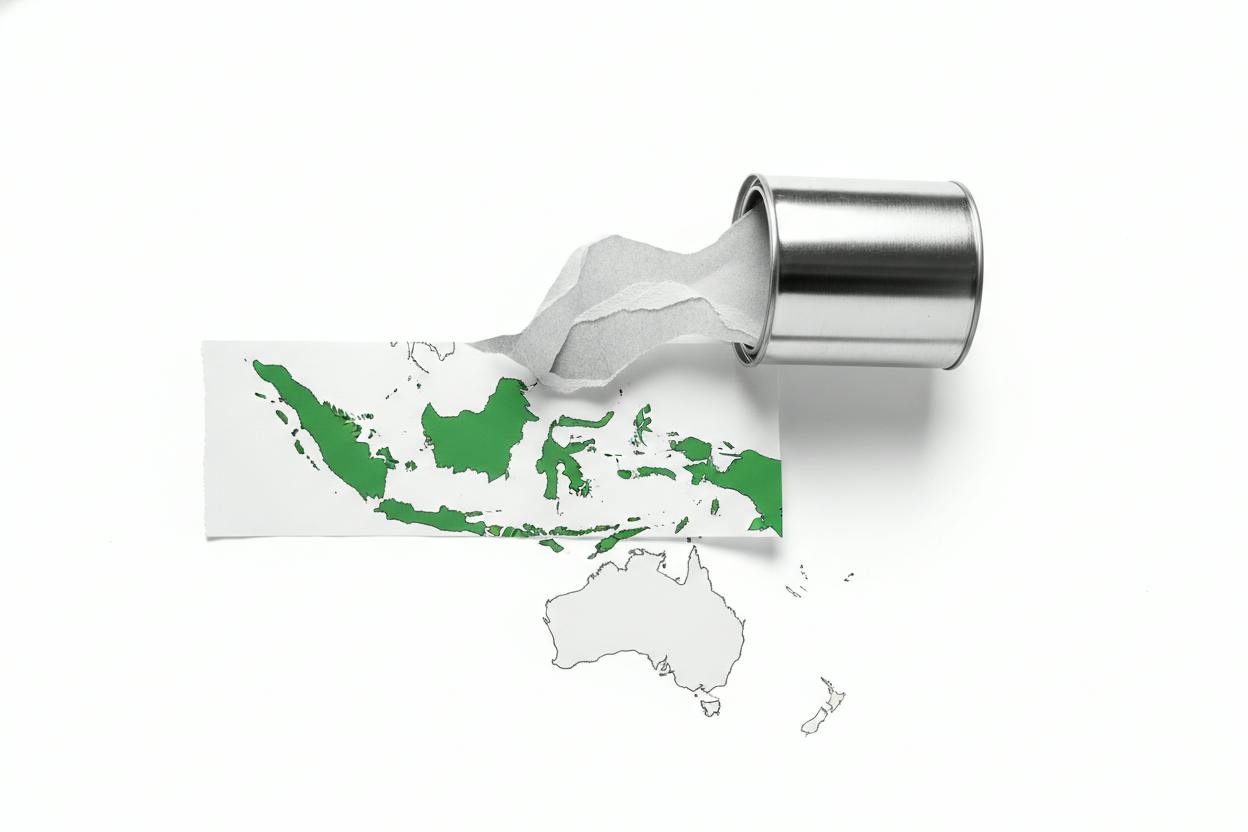
Dutch paints and coatings giant AkzoNobel has agreed to sell its Southeast Asia decorative paints business to Japan's Nippon Paint for $1.35 billion. The transaction concludes a long-running review of AkzoNobel's Asia portfolio and clears a major hurdle for its planned merger with U.S. coatings maker Axalta.
What's happening
The deal covers AkzoNobel's decorative paints operations across Southeast Asia, a region where the company has faced intense competition from local and regional players. By selling this unit, AkzoNobel is streamlining its footprint and focusing on higher-margin businesses, particularly its performance coatings and industrial activities.
For Nippon Paint, the acquisition strengthens its position as one of Asia's largest paint manufacturers. The Japanese company already has a strong presence in the region, and adding AkzoNobel's Southeast Asian operations will expand its market share in countries like Indonesia, Malaysia, and Thailand.
The $1.35 billion price tag is a significant sum, reflecting the strategic value of these assets. It also signals that AkzoNobel is serious about reshaping its portfolio to concentrate on areas where it can compete most effectively.
Why this matters
This sale is the culmination of AkzoNobel's Asia review, a process that began as part of a broader effort to simplify the company and improve profitability. The proceeds from the sale will likely be used to strengthen AkzoNobel's balance sheet, fund growth initiatives, or support the upcoming merger with Axalta.
The planned merger with Axalta, a major U.S. coatings company, is a key part of AkzoNobel's strategy to create a global leader in the coatings industry. By divesting non-core assets, AkzoNobel is making itself more attractive to Axalta's shareholders and regulators, who may view the combined company as more focused and financially robust.
Mergers in the coatings industry have been a trend in recent years, as companies seek scale to cope with rising raw material costs and intense competition. This deal is part of that broader consolidation wave, similar to other recent moves in the sector.
What it means for investors
For investors, this sale is a positive development for AkzoNobel. It removes uncertainty about the future of its Asian operations and provides a clear path forward for the Axalta merger. The cash infusion will also give the company more financial flexibility, which could be used to reduce debt or invest in faster-growing segments.
For Nippon Paint, the acquisition is a bold move that could boost its earnings per share over time, but it also carries integration risks. Investors in Nippon Paint will be watching how smoothly the company can absorb the new operations and whether it can achieve the cost savings and revenue synergies it expects.
For everyday investors, this deal is a reminder that corporate restructuring can create value. When a company sells a division, it often signals a sharper focus on its core strengths, which can be a positive for shareholders. However, it's important to remember that such transactions can also be complex and may take time to deliver results.
As with any merger, the AkzoNobel-Axalta combination will face regulatory scrutiny and integration challenges. Investors should keep an eye on how the deal progresses and whether the promised benefits materialize.
In the meantime, the sale of the Southeast Asia paints business is a clear step forward, and it shows that AkzoNobel is executing on its strategy. For those following the coatings industry, this is a story worth watching.