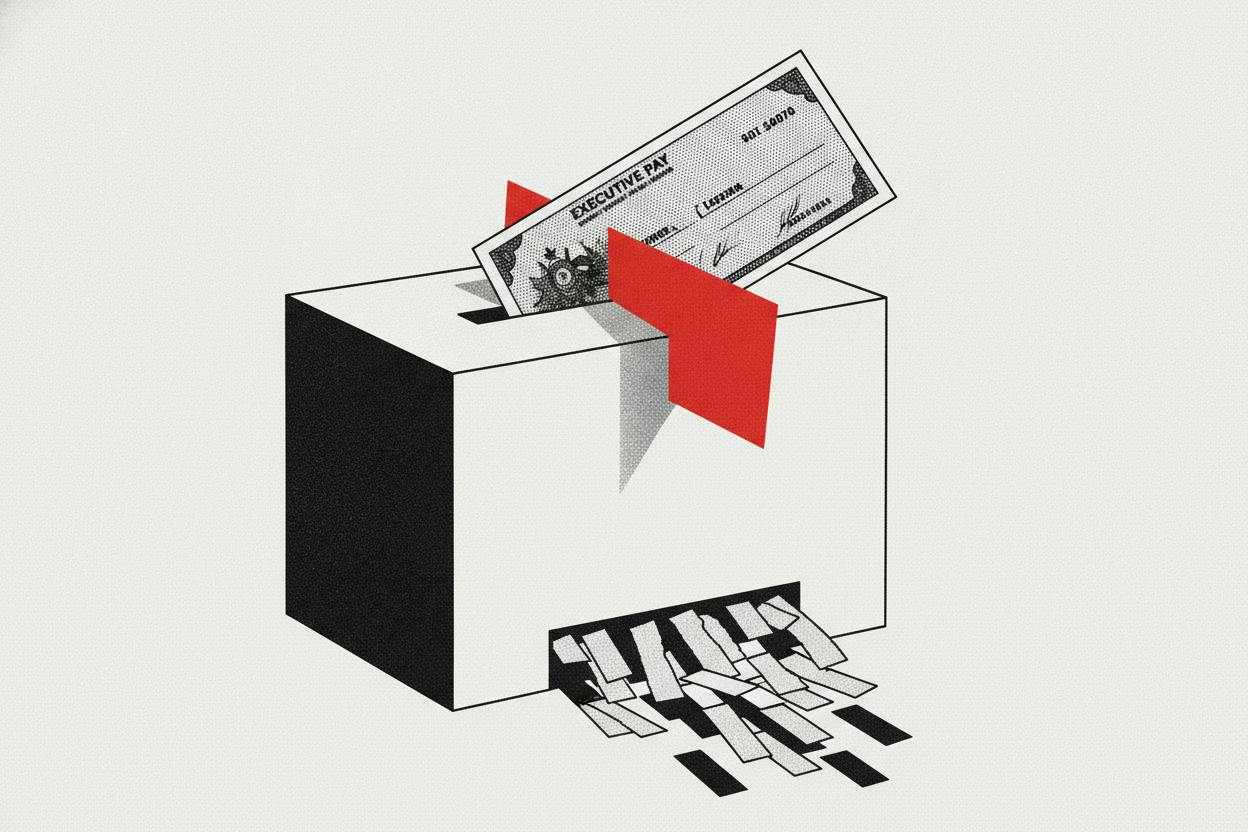
Packaging maker Orora is heading into its October 14 annual meeting with a potential governance storm on its hands. Activist investor Sandon Capital, which owns just under 1% of the company, has said it will vote against the executive pay package for CEO Brian Lowe. The move, reported by the Australian Financial Review, puts the company on a path that could lead to a so-called “second strike” and, ultimately, a vote on whether the entire board should stand for re-election.
What is a “strike” and why does it matter?
In Australia, shareholders get a non-binding vote on executive remuneration each year. If at least 25% of votes cast are against the pay report, it counts as a “strike.” Two consecutive strikes trigger a “spill resolution” – a separate vote on whether to force all directors to face re-election immediately. That’s a much bigger deal than a simple pay dispute: it becomes a public referendum on the board’s oversight and strategy.
Sandon’s opposition is significant because it doesn’t need a majority to create trouble. It just needs to push opposition past the 25% threshold. If other institutional investors share Sandon’s concerns about Orora’s performance or pay structure, the protest could quickly gain momentum.
Orora has told the AFR that it is already in talks with major shareholders about remuneration and other issues. That suggests the company is trying to defuse the situation before the meeting, likely by tweaking the bonus design or offering broader governance concessions.
Why is Sandon unhappy?
The brief doesn’t detail Sandon’s specific grievances, but the context is clear: Orora’s stock has had a lackluster stretch. When a company’s share price underperforms, shareholders often scrutinize executive pay more closely, especially if bonuses are tied to targets that seem easy to hit or if the pay package is seen as too generous relative to returns.
Sandon is an activist fund, meaning it buys stakes in companies and pushes for changes to boost shareholder value. Its decision to publicly oppose the pay plan is a signal that it wants more than just a tweak – it wants the board to take performance seriously.
What happens next?
The October 14 vote is the immediate focus. If opposition stays below 25%, the issue fades – at least for this year. But if it breaches that threshold, the company will face a spill resolution at a subsequent meeting. That could distract management, inject uncertainty into major decisions, and potentially lead to a board overhaul.
For Orora’s shareholders, the key question is whether the company can negotiate a compromise before the meeting. If it can’t, the protest vote could become a broader test of confidence in the board’s leadership.
What it means for investors
For everyday investors, this is a reminder that say-on-pay votes are more than just a formality. In Australia, the two-strikes rule turns a routine ballot into a potential governance crisis. Even a small activist holder can have outsized influence because the threshold is relatively low.
If you own Orora shares, watch how the company responds. A willingness to adjust the bonus plan or address governance concerns could calm the waters. A defiant stance might embolden more shareholders to join the protest.
For the broader market, this episode underscores how pay disputes can quickly escalate into board-level battles. It’s a dynamic that investors in any company should be aware of, especially when performance lags.
Orora’s situation also highlights the importance of reading the fine print on executive compensation. Bonuses tied to long-term value creation are generally seen as shareholder-friendly, but if targets are opaque or easily met, they can become a flashpoint.
As the meeting approaches, expect more commentary from both sides. Sandon will likely try to rally other shareholders, while Orora will work to keep dissent below the 25% line. The outcome will be a clear signal of how much trust the board currently enjoys.
For now, the message for investors is simple: pay votes matter, and a small protest can have big consequences.