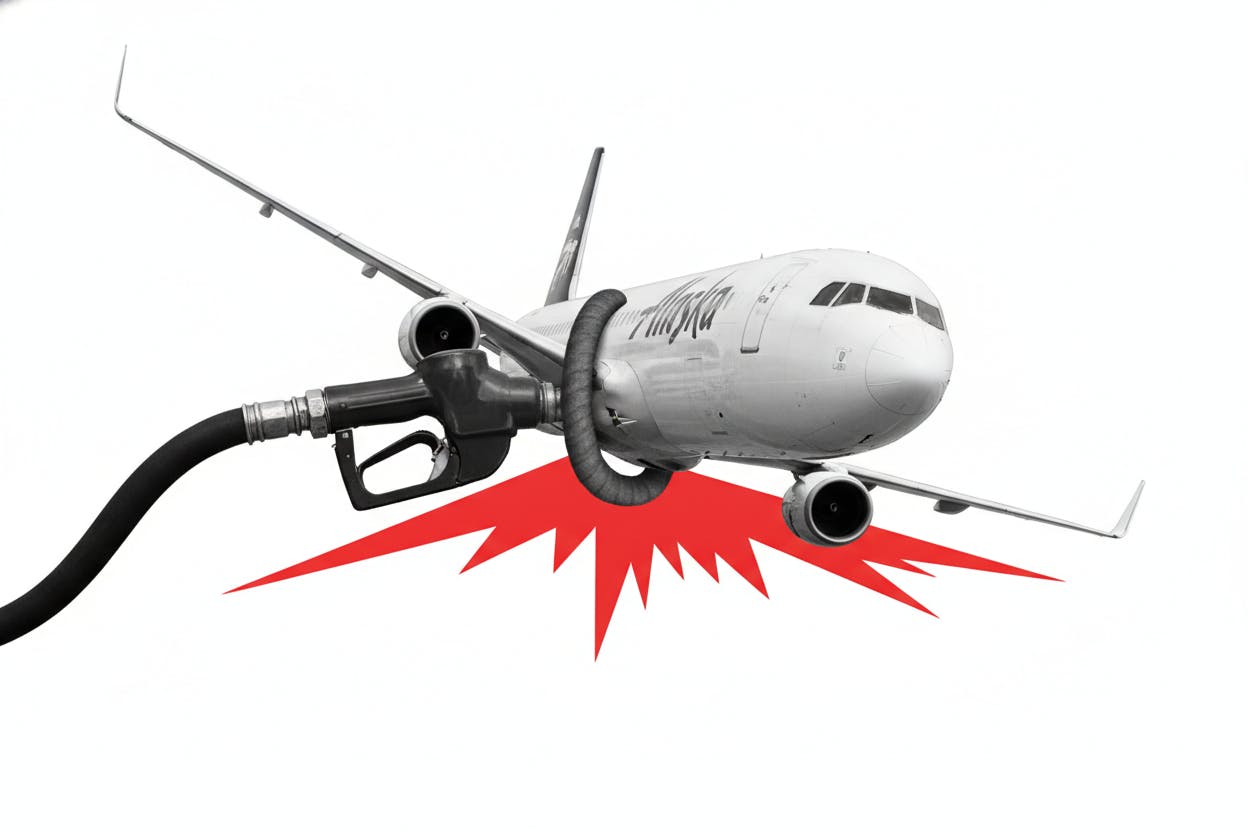
Alaska Air Group has delivered a sobering update to investors, warning that its third-quarter profit could come in well below Wall Street expectations after a sharp jump in oil and jet fuel prices in July disrupted the airline's cost planning.
The Seattle-based carrier said it now expects adjusted earnings of break-even to $1 per share for the July-to-September period, significantly below the $1.38 consensus estimate compiled by LSEG. Shares of Alaska Air dipped in after-hours trading following the announcement.
What's Behind the Fuel Cost Squeeze
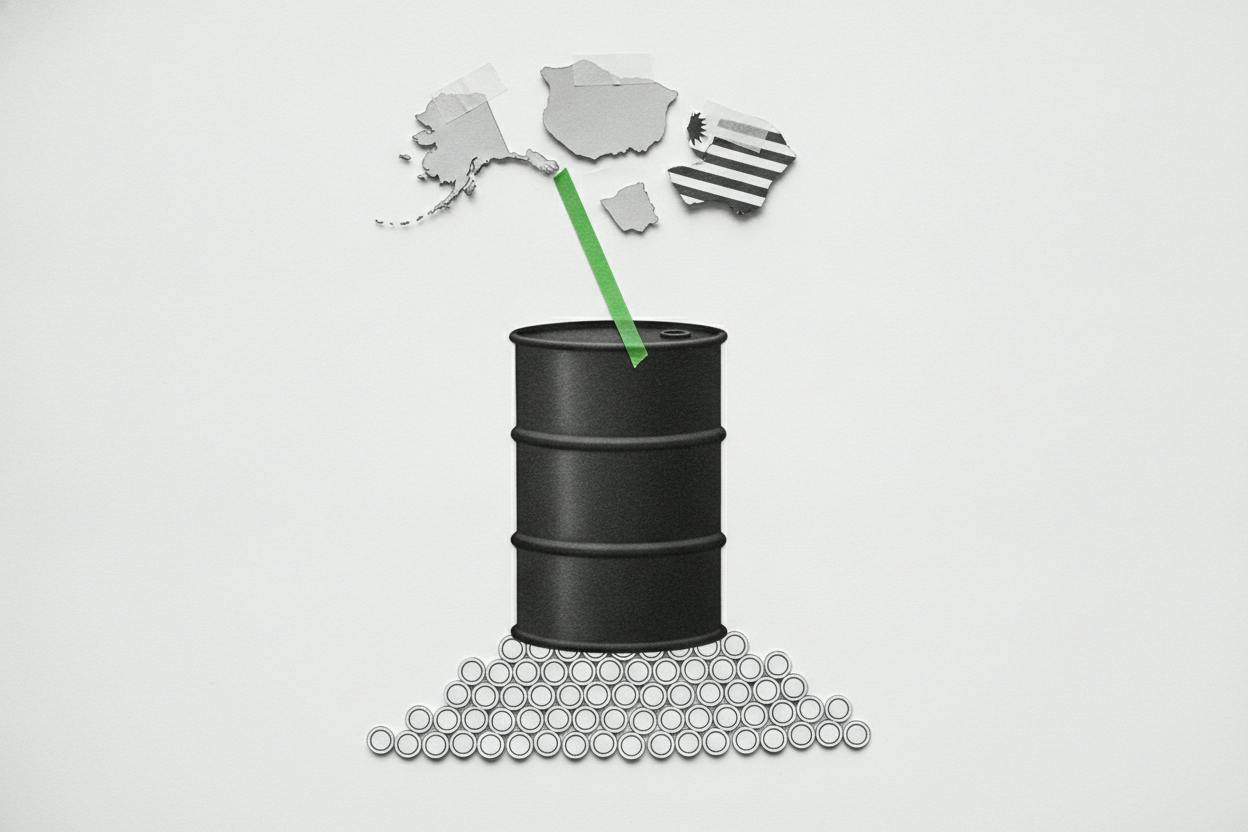
The issue goes beyond just the price of crude oil. For airlines, the cost of jet fuel is determined by two factors: the price of crude oil and the refining margin, often called the "crack spread." This spread represents the extra cost refiners charge to turn crude oil into jet fuel. When that margin widens, jet fuel can become more expensive even if crude prices remain stable.
In July, both crude oil and the crack spread moved higher as geopolitical tensions flared. Renewed fighting between the US and Iran disrupted shipping in the Strait of Hormuz, a critical chokepoint for global oil supplies. As oil prices rose amid persistent shipping disruptions, airlines found themselves facing a sudden spike in their single biggest variable cost.
Fuel typically accounts for 20% to 30% of an airline's operating expenses, so even a modest increase in jet fuel prices can have an outsized impact on profitability. For Alaska Air, which operates a large fleet of narrow-body aircraft on domestic routes, fuel costs are particularly sensitive to price swings.
Broader Industry Context
Airlines have been navigating a volatile fuel cost environment for much of the past two years. After spiking in 2022 following Russia's invasion of Ukraine, jet fuel prices moderated through much of 2023, giving carriers some breathing room. But 2024 has seen renewed volatility, with geopolitical risks in the Middle East and production decisions by OPEC+ keeping markets on edge.
Alaska Air's profit warning comes at a time when the broader airline industry is grappling with other headwinds as well. While travel demand remains strong, capacity increases—especially in the domestic market—have pressured fares. Airlines have also been investing heavily in fleet upgrades and technology, adding to cost pressures.
The company's guidance suggests that the fuel cost spike in July may have erased a significant portion of its expected profit for the quarter. Airlines often hedge fuel costs to protect against price spikes, but hedging strategies can only go so far when prices move sharply and suddenly.
What It Means for Investors
For everyday investors, Alaska Air's warning is a reminder of how vulnerable airline stocks can be to factors outside the industry's control. Unlike many other sectors, airlines have limited ability to pass on higher costs to customers in the short term, especially when competitors are also competing for passengers.
Investors should watch for several things in the coming weeks. First, how other airlines respond—if major carriers like Delta, United, or Southwest issue similar warnings, it could signal a broader industry trend. Second, the trajectory of oil prices: if geopolitical tensions ease and fuel costs decline, the profit outlook could improve. Third, Alaska Air's ability to manage costs elsewhere, including labor and maintenance expenses.
The airline's stock price reaction in after-hours trading suggests that the market was caught off guard by the magnitude of the profit shortfall. However, airline stocks are known for their volatility, and a single quarter's miss does not necessarily change the long-term picture for the company.
For those invested in airline stocks or considering them, it's worth understanding that fuel costs are a key variable that can swing profits dramatically from quarter to quarter. Diversification across sectors can help mitigate the impact of such sector-specific shocks.
Alaska Air will report its full third-quarter results in October, and investors will be looking for signs of whether the fuel cost pressure is easing or persisting into the fourth quarter. In the meantime, the company's guidance serves as a cautionary tale about the risks inherent in the airline business.