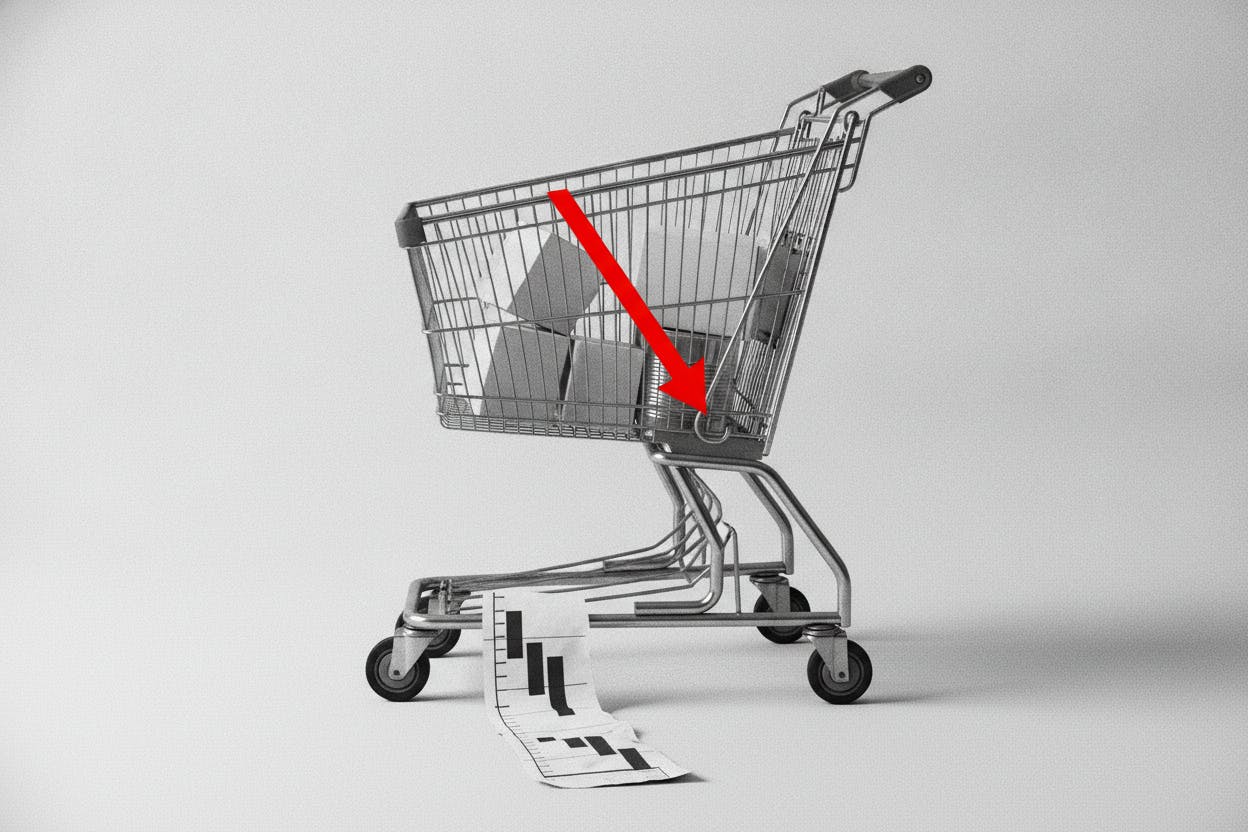
Albertsons, one of the largest U.S. grocery chains, cut its full-year outlook on Tuesday after noticing shoppers buying fewer items and choosing cheaper store brands. The company's shares fell sharply in early trading as investors digested the news.
The grocer now expects identical sales—a key retail metric that compares sales at stores open at least a year—to decline between 0.5% and 1.5% for the fiscal year. It also lowered its forecast for adjusted earnings per share to a range of $1.75 to $1.85, down from its previous guidance.
Why shoppers are trading down
Albertsons said demand in its core grocery aisles has softened, even as its digital and pharmacy businesses held up relatively well. The company pointed to shoppers staying cautious as higher everyday costs push more households to “trade down” to cheaper retailers and lower-priced brands.
This trend is not unique to Albertsons. Across the grocery industry, consumers have been shifting spending from national brands to private-label store brands, which offer lower prices. The shift has been especially pronounced among lower-income households, who have been hit hardest by persistent inflation in food, housing, and other essentials.
For context, identical sales are a closely watched measure in retail because they strip out the effect of new store openings and closures, giving a clearer picture of underlying demand. A decline signals that existing stores are selling less than they did a year ago.
What this means for investors
For everyday investors, Albertsons' revised outlook is a warning sign about the health of the consumer. When a major grocer sees shoppers pulling back, it often reflects broader economic pressure on household budgets. That can have ripple effects across the retail sector and the stock market.
Investors should watch how other retailers, especially those catering to middle- and lower-income shoppers, report their results in the coming weeks. Companies like Walmart have also flagged similar trends, with lower-income customers feeling the squeeze.
Albertsons' digital business, which includes online ordering and delivery, remained a bright spot, but it was not enough to offset the weakness in the core grocery aisles. The company's pharmacy segment also held up, but that is a smaller part of its overall revenue.
Broader market context
The grocery sector has been under pressure as food price inflation, while moderating from its peak, remains elevated compared to pre-pandemic levels. Shoppers are also facing higher costs for rent, utilities, and transportation, leaving less room in their budgets for discretionary spending.
Albertsons operates more than 2,200 stores across the U.S., including banners such as Safeway, Vons, and Jewel-Osco. It competes directly with Kroger, Walmart, and regional grocers. The company has been investing in its digital capabilities and loyalty programs to retain customers, but the latest guidance suggests those efforts are not fully offsetting the headwinds.
In a similar vein, Hershey and other consumer goods companies have also noted a shift in consumer behavior, with shoppers buying fewer items and seeking out promotions.
What to watch next
Investors will be watching Albertsons' next quarterly report for signs of whether the trading-down trend is accelerating or stabilizing. The company's ability to manage costs and protect profit margins will also be in focus.
For now, the lowered outlook is a reminder that even essential businesses like grocery stores are not immune to the pressures of a cautious consumer. As the Federal Reserve continues to weigh interest rate decisions, the path of consumer spending will remain a key driver of market sentiment.
Albertsons shares fell more than 5% in early trading following the announcement, reflecting investor disappointment with the revised guidance.