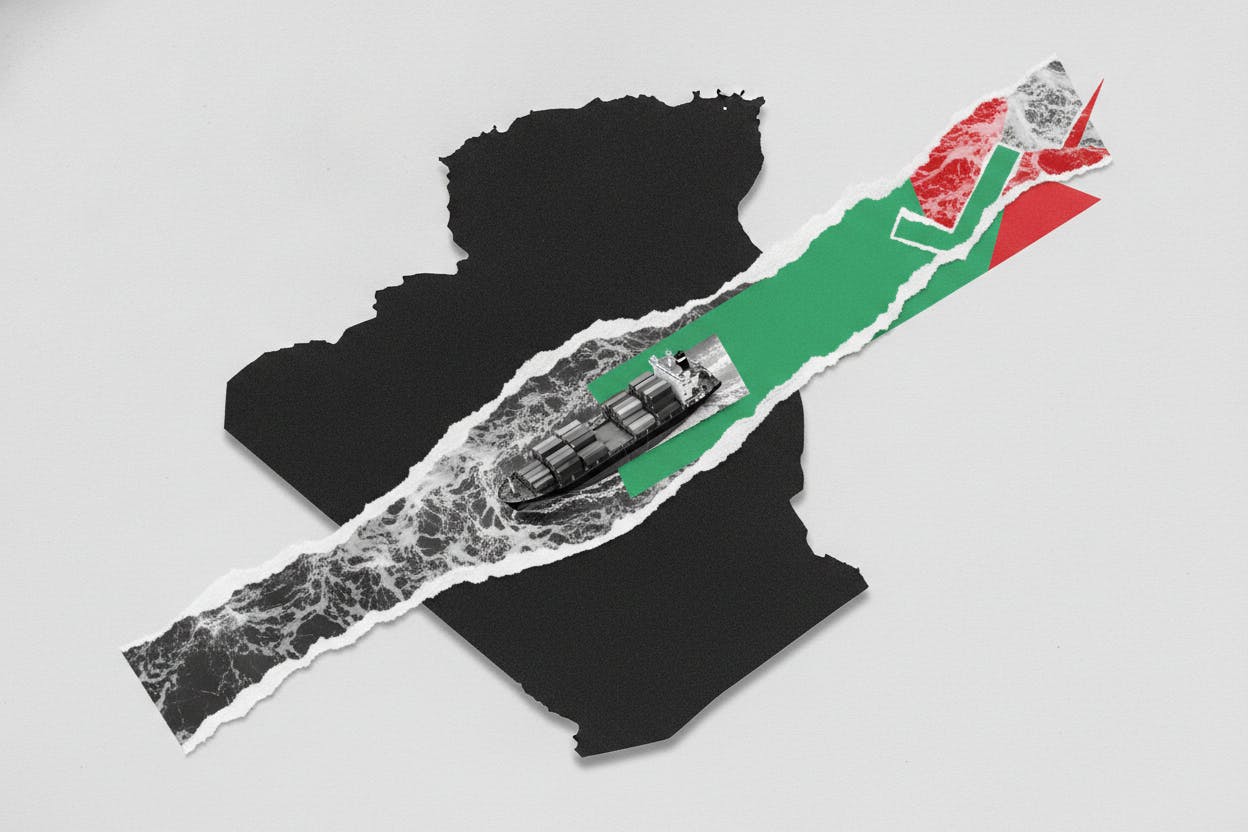
Algeria's state grain buyer, OAIC, has stepped back into the global wheat market with a fresh tender, purchasing an estimated 540,000 to 720,000 tons of milling wheat at roughly $289 to $290 per ton delivered. The move ends a weeks-long pause and signals that one of the world's largest wheat importers is willing to pay up to lock in supply.
Traders said the final volume wasn't immediately clear, which is common for Algerian tenders, but the price is the standout detail. It's meaningfully higher than OAIC's previous purchase on June 17, when it bought over 800,000 tons at about $264 to $265 per ton on a cost-and-freight basis. That jump of roughly $25 per ton shows Algeria is now prioritizing availability over cost.
Why Algeria is paying more
The tender allows for "optional origins," meaning wheat can be sourced from any of several eligible exporting countries. European traders, however, expected Romania and Bulgaria to supply much of the volume. Those Black Sea origins have become increasingly important to Algeria in recent years, offering competitive freight costs and reliable quality.
The higher price likely reflects a combination of factors: tighter near-term availability from key suppliers, rising global wheat prices, and Algeria's need to replenish stocks ahead of the next harvest cycle. Algeria typically imports large volumes of wheat to feed its population, and its state buyer operates with a mandate to secure supply rather than chase the cheapest price.
This is not the first time Algeria has re-entered the market after a pause. The country's tenders are closely watched by global grain traders because of their size and the signal they send about demand. When Algeria steps back in, it often supports prices across the broader wheat complex.
What this means for wheat markets
The news comes as funds have been boosting their wheat bets, according to recent positioning data. That suggests speculative money is already leaning bullish on wheat, and Algeria's willingness to pay up could add further momentum.
For everyday investors, wheat prices matter more than they might think. Wheat is a staple food commodity, and higher prices can feed into food inflation, which affects grocery bills and the broader economy. Central banks watch food prices closely because they are a key component of inflation measures.
Higher wheat prices can also ripple through to companies that use wheat as an input, such as bakeries, cereal makers, and food producers. Those companies may face higher costs, which could squeeze margins or lead to higher prices on store shelves.
What investors should watch
For investors, the key takeaway is that Algeria's purchase is a sign of strong demand in the global wheat market. That's supportive for agricultural commodity prices and for companies that produce or trade wheat, such as major agribusinesses and fertilizer makers.
However, it's important to remember that wheat prices are influenced by many factors beyond Algeria's buying. Weather conditions in major growing regions, export policies from key suppliers like Russia and Ukraine, and global demand from other importers all play a role.
The fact that Algeria is paying more for near-term supply could also be a signal about the state of global wheat inventories. If stocks are tight, buyers may need to pay premiums to secure deliveries. That's something to keep an eye on in the coming months.
For those with exposure to emerging market stocks, wheat prices can also have indirect effects. Many emerging economies are net food importers, and higher wheat costs can strain their trade balances and currencies. That's one reason why grain markets are often watched by investors in developing-world assets.
On the other hand, some emerging markets benefit from higher agricultural prices. Countries like Romania and Bulgaria, which are expected to supply much of this wheat, stand to gain from stronger export revenues. That could be a modest positive for their economies and currencies.
Overall, Algeria's return to the market at higher prices is a clear signal that global wheat demand remains robust. While it's too early to say whether this marks the start of a sustained rally, it's a reminder that food prices remain a key variable for both inflation and economic growth.
For investors, the best approach is to stay informed about the factors driving wheat prices and to consider how they might affect their portfolios. As always, diversification and a long-term perspective are important when navigating commodity-driven market moves.