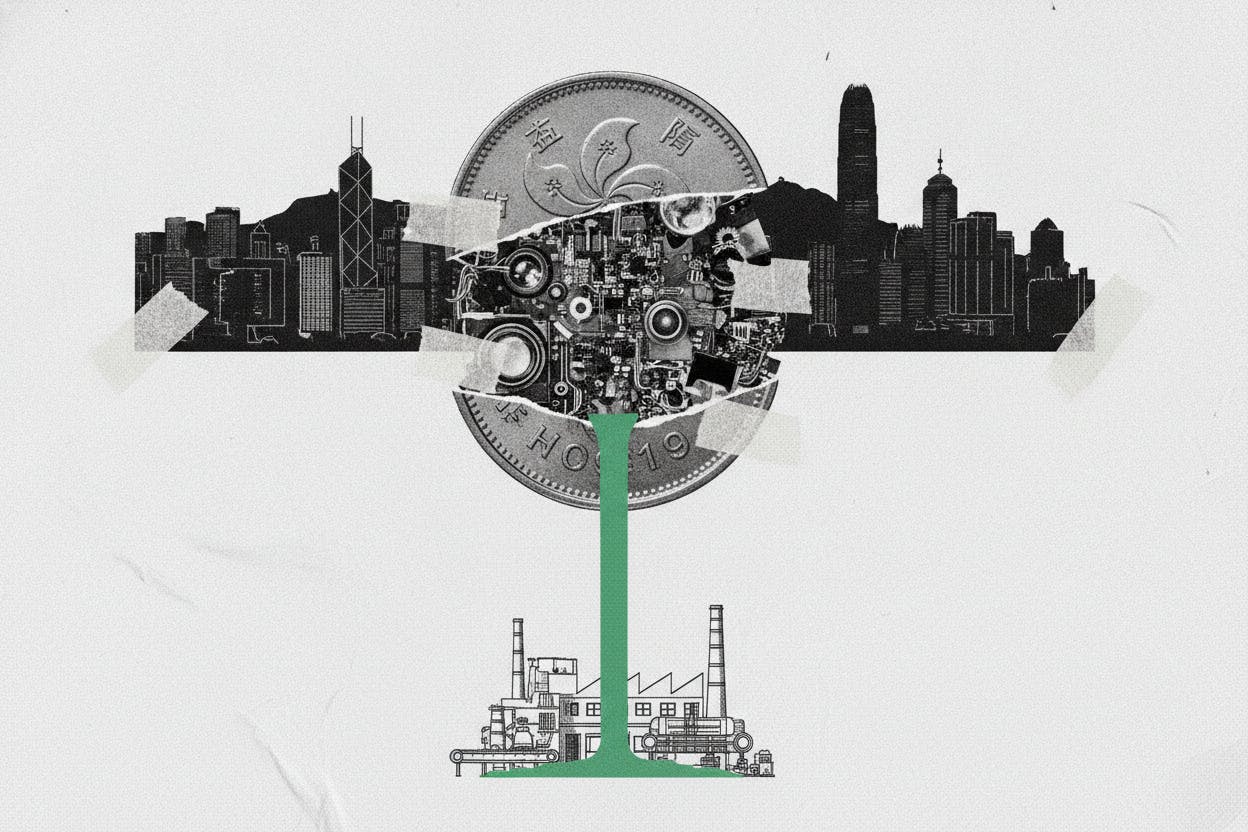
Chinese tech giant Alibaba has thrown down the gauntlet in the global artificial intelligence race. On Monday, the company unveiled its largest AI model to date, Qwen3.8-Max, and claimed it can go toe-to-toe with the best models from the United States. The news sent Alibaba's Hong Kong-listed shares up 7% as investors bet on the company's growing AI ambitions.
What Alibaba is claiming
According to Alibaba, Qwen3.8-Max outperforms Anthropic's flagship Fable 5 and Moonshot's Kimi K3 on several benchmarks. The company also says the model was able to work independently for 16 days in internal testing, a sign that it has real potential for 'agentic' tasks—meaning it can carry out multi-step actions without constant human supervision.
Perhaps more importantly, Alibaba plans to release Qwen3.8-Max for public download next week. That means developers and businesses will be able to run the model on their own servers, rather than relying on a cloud service. This 'open-weight' approach is a stark contrast to the more closed strategies of many US AI leaders.
Why this matters for US AI giants
The AI landscape has been dominated by American companies like OpenAI, Google, and Anthropic, which have poured billions into developing ever-more-powerful models. But Alibaba's move signals that the competitive field is no longer a one-way street. By offering a model that claims to match US rivals while being priced below many of them, Alibaba is directly challenging the pricing power and market share of American AI providers.
For everyday investors, this is a reminder that the AI boom is not just a US story. Chinese companies are investing heavily in AI, and they are increasingly willing to compete on price and accessibility. If Alibaba's model truly delivers on its promises, it could force US companies to lower prices or accelerate their own innovation to stay ahead.
This isn't the first time Alibaba has made waves in AI. The company's Qwen family of models has been gaining traction, and the release of Qwen3.8-Max is part of a broader push to position Alibaba as a global AI leader. The company is also investing in cloud infrastructure and other AI-related services, betting that the demand for AI will continue to grow.
What it means for investors
For investors, the key takeaway is that competition in AI is intensifying. While US tech giants have enjoyed strong stock performance thanks to their AI leadership, they now face a credible challenger from China. This could lead to margin pressure, increased spending on research and development, and potentially lower returns for shareholders in the long run.
At the same time, Alibaba's open-weight strategy could be a double-edged sword. On one hand, it makes the model more accessible and could drive adoption. On the other hand, it means Alibaba may have a harder time monetizing the model directly, as users can run it themselves without paying for a cloud service. This is a common challenge for companies that choose to open-source their AI models.
Investors should also consider the broader geopolitical context. US-China tensions have led to restrictions on the export of advanced chips and other technologies, which could affect Alibaba's ability to train and run its models. However, Alibaba has been developing its own chips and has access to domestic supply chains, which may mitigate some of these risks.
For those looking at the AI sector, it's worth keeping an eye on how US companies respond to Alibaba's challenge. Will they cut prices? Will they release their own open-weight models? Or will they double down on proprietary technology? The answers could have significant implications for the industry's future profitability.
In the meantime, Alibaba's stock move is a reminder that AI is a global race, and the winners are not yet determined. As always, investors should do their own research and consider the risks before making any decisions.