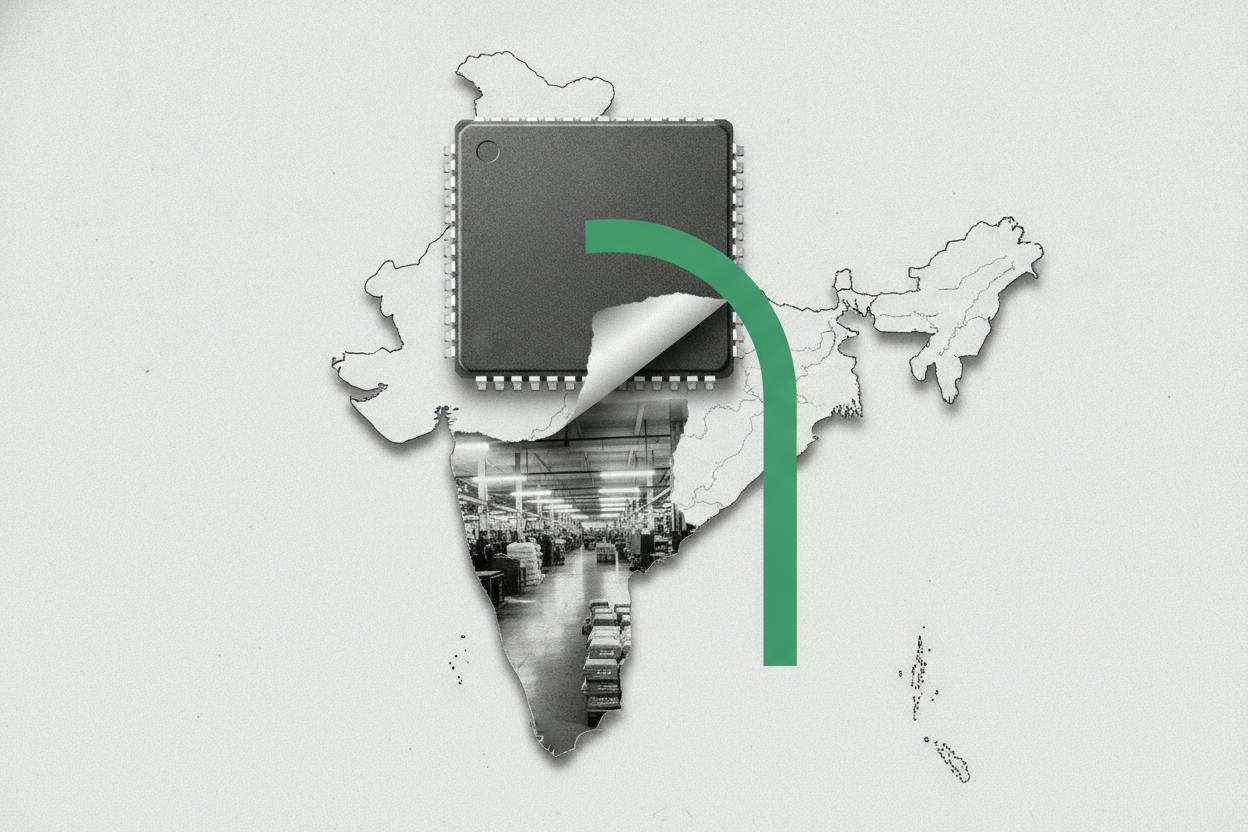
Dutch chipmaker Nexperia has struck a deal with Tata Electronics to manufacture and package its power-control chips in India, a move that underscores a broader shift in global semiconductor supply chains and deepens the company's separation from its Chinese parent, Wingtech.
Under the agreement, Tata will produce Nexperia's power-control components at its Dholera site in Gujarat—a facility that represents an $11 billion investment—and handle testing and assembly at its Jagiroad plant in Assam. Financial terms were not disclosed.
Power-control chips are the unglamorous workhorses of the electronics world. They manage and regulate the flow of electricity in everything from cars and household appliances to industrial equipment and data centers. While they don't grab headlines like the advanced processors that power smartphones and AI servers, they are essential—a disruption in their supply can stall production lines across multiple industries.
Why India? Why now?
The partnership is part of a larger trend of chipmakers diversifying their manufacturing away from traditional hubs. India has been aggressively courting semiconductor investment, offering incentives and building out infrastructure to attract global players. The country's push has already drawn commitments from major firms, including Applied Materials' $5 billion investment as part of the broader chip race.
For Nexperia, the move also has a geopolitical dimension. According to Reuters, a September 2025 intervention by the Dutch state strained relations between Nexperia and its Chinese parent, Wingtech. The Dutch government has grown increasingly wary of Chinese influence over critical technology companies, and this deal appears to signal Nexperia's efforts to operate more independently.
By partnering with Tata, Nexperia gains a foothold in India's rapidly developing semiconductor ecosystem, which could offer both cost advantages and a more geopolitically neutral manufacturing base.
What it means for investors
For everyday investors, this deal is a reminder that the semiconductor industry is not just about the flashy chip designers—it's also about the vast, complex supply chain that produces the components we rely on daily. When a company like Nexperia shifts production, it can have ripple effects on suppliers, customers, and competitors.
Investors should watch how this partnership affects Tata Electronics' parent, Tata Group, which is already a major player in India's industrial landscape. The deal could boost Tata's credibility as a semiconductor manufacturer and potentially attract more international clients.
For Nexperia, the move may help it navigate the political tensions with its parent company. By establishing a manufacturing presence outside China, Nexperia could position itself as a more neutral player in the global chip market, which might appeal to Western customers concerned about supply chain security.
India's broader market has been in focus recently, with the Nifty and Sensex rebounding from a five-month low as investors await Federal Reserve decisions. The country's economic fundamentals remain a draw for foreign investment, and the chip sector is a key part of that story.
The bigger picture
This deal is part of a global realignment in semiconductor manufacturing. Governments around the world are offering subsidies and incentives to bring chip production closer to home, driven by concerns about supply chain resilience and national security. The United States, Europe, and India have all launched major initiatives to boost domestic chipmaking.
For investors, the trend means that companies with exposure to semiconductor manufacturing—especially those in emerging hubs like India—could see new opportunities. However, it also means that traditional chipmaking regions may face increased competition.
The partnership between Nexperia and Tata is a concrete example of how these dynamics are playing out. It shows that even mid-sized chipmakers are making strategic decisions based on geopolitical considerations, not just economics.
As India continues to develop its semiconductor ecosystem, more deals like this are likely. The country's large engineering talent pool, growing domestic market, and government support make it an attractive destination for chipmakers looking to diversify. Investors would do well to keep an eye on this space, as it could offer growth opportunities in the coming years.