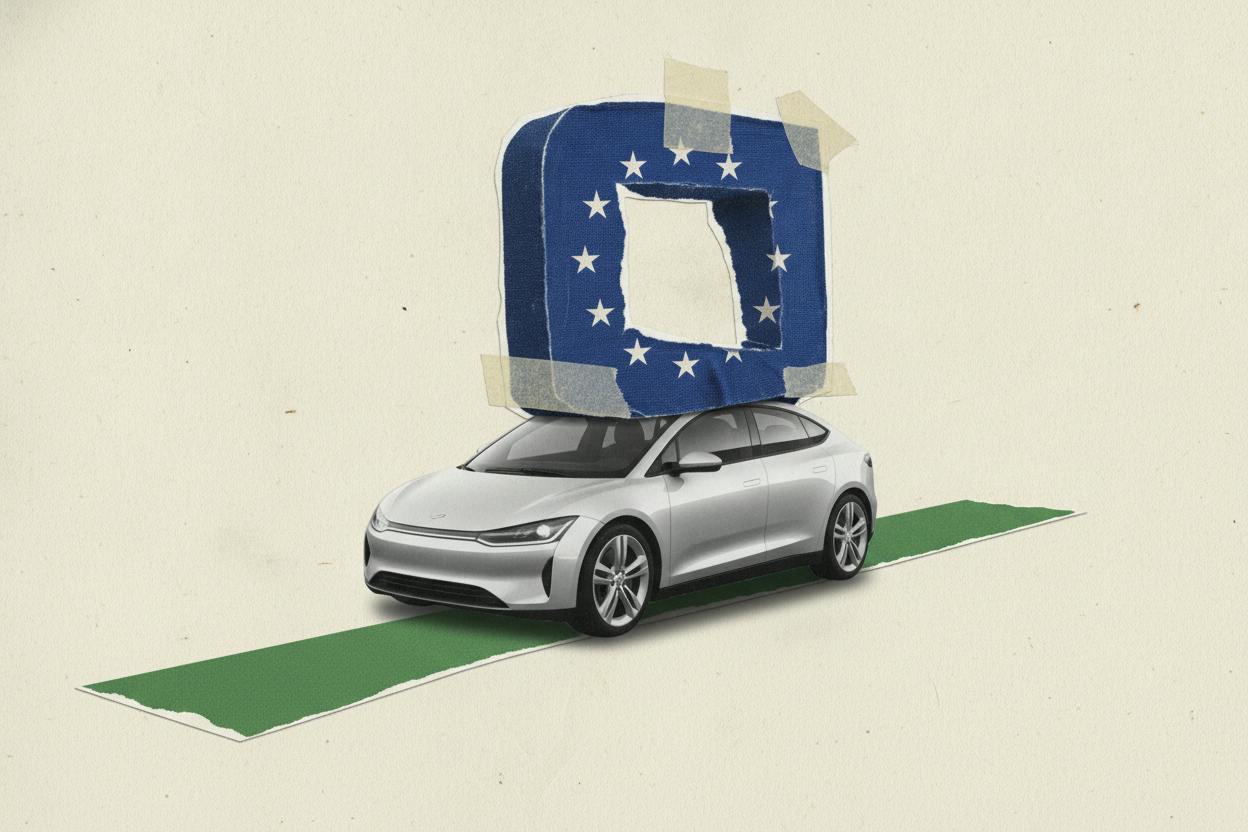
Bolt, the Estonia-based ride-hailing company, and Lucid, the US electric-vehicle maker, have announced a partnership to bring at least 25,000 fully autonomous electric vehicles to European roads. The goal is to integrate these robotaxis into Bolt's platform, but the plan could hit a significant speed bump: the European Union's stricter safety rules for autonomous driving.
What the partnership entails
The two companies revealed the collaboration on Thursday, though they did not provide a specific rollout timeline or budget. Bolt stated that its longer-term ambition is to host 100,000 autonomous vehicles on its platform by 2035. Initially, Bolt plans to own and operate the fleet itself, a move that gives it direct control over the service quality and safety protocols.
Lucid will manufacture the vehicles at its new plant in Saudi Arabia, which is slated to open early next year. The cars will be equipped with Nvidia's Hyperion system, a comprehensive autonomous driving platform that includes sensors, computing hardware, and software. This is a notable endorsement for Nvidia, whose technology is becoming a standard in the self-driving industry.
The EU regulatory hurdle
While the technology and the vehicles are ready, the biggest challenge may be regulatory. The EU has been developing a framework for autonomous vehicles that is widely considered more stringent than those in other regions. These rules cover everything from safety standards and cybersecurity to data privacy and liability in the event of an accident. For a company like Bolt, which operates in multiple European countries, navigating this patchwork of national and EU-wide regulations could slow down the deployment significantly.
This is not the first time a robotaxi company has faced regulatory friction. Waymo's expansion into Tokyo and Pony.ai's testing of robotrucks in Europe have both had to adapt to local rules. The EU's approach is often seen as a model for safety, but it can also be a barrier to rapid innovation.
What it means for investors
For investors, this partnership is a signal that the autonomous vehicle race is heating up, especially in Europe. Lucid, which has struggled with sales and production ramp-up, could benefit from a large order like this, as it provides a new revenue stream and validates its technology. However, the lack of a timeline and budget means that the financial impact is uncertain.
Bolt, which is privately held, is positioning itself as a leader in the ride-hailing space by embracing autonomy. If successful, this could reduce its operating costs over time, as autonomous vehicles eliminate the need for human drivers. But the upfront investment is substantial, and the regulatory delays could push profitability further out.
The broader market for autonomous vehicles is still in its early stages. Waymo's expansion to Las Vegas and other US cities shows that the technology is becoming more mainstream, but Europe's regulatory environment is a different beast. Investors should watch how the EU finalizes its rules and whether Bolt and Lucid can navigate them efficiently.
Looking ahead
The partnership is a bold bet on the future of mobility, but it is not without risks. The EU's safety rules could delay the rollout, and the lack of a concrete timeline makes it hard to predict when the first robotaxis will hit European streets. For now, investors should view this as a long-term play, with the potential for significant rewards if the regulatory hurdles are cleared.
As the autonomous vehicle industry evolves, tech stocks and broader market sentiment will continue to be influenced by these developments. The key is to stay informed and understand the risks involved in this emerging sector.