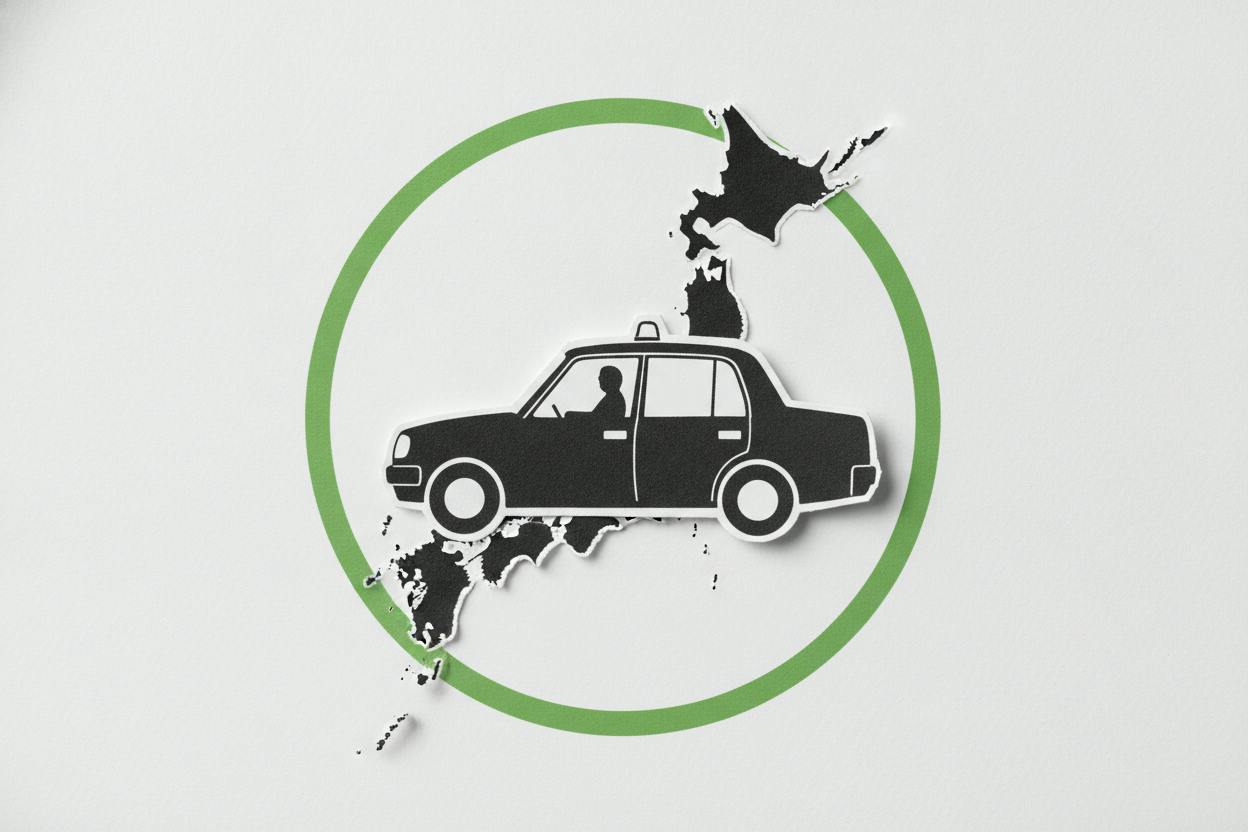
Waymo, the self-driving car unit of Alphabet, is taking its robotaxis to Tokyo. The company announced a partnership with GO, a major Japanese taxi-hailing app, and Nihon Kotsu, one of Tokyo's largest cab operators, to launch what would be the city's first fully driverless commercial taxi service. The partners aim to start operations in 2027, beginning with a small fleet and scaling up to roughly 100 vehicles, subject to regulatory approval.
What's happening
Waymo already operates driverless ride-hailing services in several U.S. cities, including Phoenix, San Francisco, and Los Angeles. The Tokyo project marks its first foray into Asia. GO is Japan's leading ride-hailing platform, similar to Uber or Lyft, while Nihon Kotsu is a well-established taxi company with a large fleet in the capital. Together, they plan to integrate Waymo's autonomous driving technology into Nihon Kotsu's vehicles, which would be hailed through the GO app.
The service will start small, likely with a handful of vehicles, to test the technology and gather data in Tokyo's complex urban environment. If all goes well and regulators give the green light, the fleet could grow to about 100 cars. That's still a tiny fraction of Tokyo's taxi fleet, but it would be a significant milestone for autonomous driving in one of the world's most congested and densely populated cities.
Why Tokyo is a tough test
Tokyo presents unique challenges for self-driving cars. The city has narrow streets, heavy pedestrian traffic, and a complex road network with many one-way lanes and intricate intersections. Driving on the left side of the road is another adjustment for Waymo, which is used to right-hand traffic in the U.S. The company will need to adapt its software and sensors to handle these conditions, as well as Japan's strict safety standards.
Regulatory approval will be a key hurdle. Japan has been gradually opening up to autonomous vehicles, but fully driverless operations are still rare. The government has expressed interest in promoting self-driving technology to address an aging population and a shortage of taxi drivers, but it will likely require extensive testing and safety demonstrations before allowing a commercial service.
What it means for investors
For Alphabet shareholders, this move is another sign that Waymo is serious about scaling its robotaxi business internationally. Waymo has been expanding its U.S. footprint, including recent launches in new markets like Las Vegas. The Tokyo partnership could open the door to other Asian markets, where demand for ride-hailing is strong and labor shortages are a growing concern.
However, investors should temper expectations. The Tokyo service is still years away, and the initial fleet will be small. Regulatory delays, technical glitches, and public acceptance are all potential risks. Waymo's expansion has been gradual, and the company has yet to prove that its robotaxis can be profitable at scale. The Tokyo project is more of a strategic bet than a near-term revenue driver.
For the broader autonomous vehicle industry, this news underscores the global race to deploy driverless taxis. Competitors like Cruise (backed by General Motors) and Baidu's Apollo are also expanding, and the Tokyo market could become a testing ground for international players. If Waymo succeeds in Tokyo, it could set a template for entering other complex urban markets.
Bottom line
Waymo's Tokyo plan is an ambitious step forward for autonomous driving, but it's still early days. The company will need to navigate regulatory hurdles and adapt its technology to one of the world's most challenging driving environments. For everyday investors, this is a story to watch, but not one that will move Alphabet's stock in the near term. The real payoff, if any, will come years down the road.