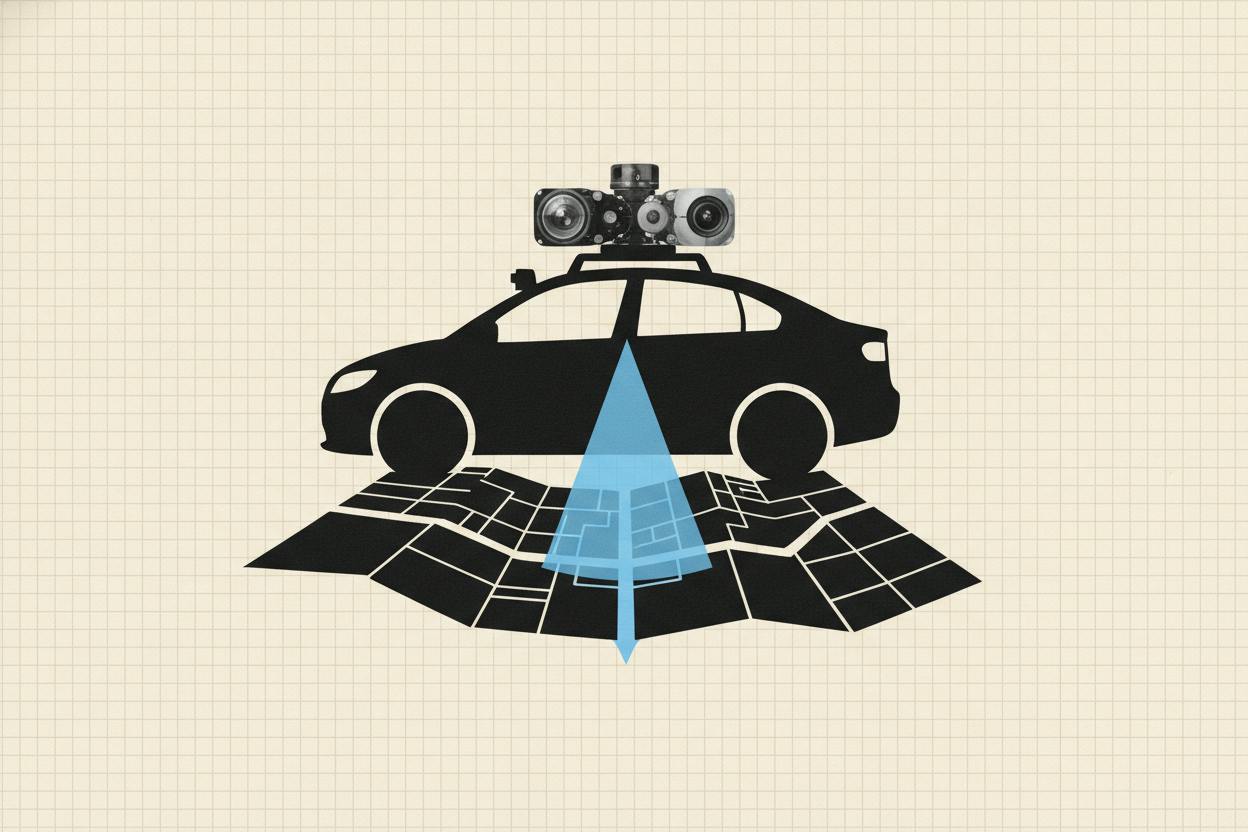
Waymo, the self-driving car unit of Alphabet, is bringing its robotaxi service to Las Vegas. The company said it will open rides to the public in the city, starting with a small fleet of a few dozen vehicles and gradually expanding over time. This marks Waymo's first public robotaxi market in Nevada, adding to its existing operations in California and Arizona, as well as newer launches in Texas and Florida.
What's happening in Las Vegas
Las Vegas is a notable addition to Waymo's map. The city is known for its dense traffic, heavy tourism, and wide, grid-like streets—conditions that can be challenging for autonomous vehicles. Waymo's approach will be cautious: it's starting with a limited number of cars and will ramp up as it gathers more data and experience in the local environment.
The vehicles Waymo plans to use in Las Vegas are its latest-generation system, built on an Ojai robotaxi that uses a Zeekr vehicle platform. This is a sign that Waymo is deploying its most advanced technology in a new market, rather than relying on older hardware.
Waymo isn't the only player in the Las Vegas robotaxi space. According to Reuters, Amazon's Zoox is currently the only other operator offering paid public robotaxi rides there. Tesla is also a longer-term competitor to watch, as it continues to develop its own self-driving technology. This competition highlights how quickly the autonomous ride-hailing landscape is evolving, with multiple tech giants and automakers vying for a foothold.
Why this matters for investors
For everyday investors, Waymo's expansion is a signal that autonomous driving is moving from testing to real-world, commercial deployment. Alphabet, Waymo's parent company, is one of the largest tech companies in the world, and its bets on self-driving are part of a broader strategy to diversify beyond its core search and advertising business. While Waymo is still a small part of Alphabet's overall revenue, its progress could have long-term implications for the company's growth and for the transportation industry as a whole.
The move also underscores the competitive dynamics in the self-driving sector. Companies like Uber are positioning themselves as middlemen for autonomous ride-hailing, while others like PlusAI are going public to fund their own efforts. For investors, this means the race to dominate robotaxis is heating up, and the winners could reshape how people get around cities.
It's also worth noting that China is pushing hard on self-driving EVs as part of its 2030 plan, which could intensify global competition. Meanwhile, some automakers are divesting from certain ventures to focus on core priorities, showing that the industry is still in flux.
What to watch next
Investors will be watching how quickly Waymo scales its Las Vegas operation and whether it can achieve profitability in new markets. The company's ability to handle the unique challenges of Las Vegas—such as heavy pedestrian traffic, casino drop-offs, and extreme heat—will be a test of its technology's robustness.
Another key factor is regulatory approval. Waymo has had to navigate different rules in each state, and Nevada's approach to autonomous vehicles could influence how quickly it can expand. If Waymo succeeds in Las Vegas, it could pave the way for more cities in the U.S. and abroad.
For now, the launch is a modest but meaningful step. It shows that Alphabet is committed to making self-driving cars a commercial reality, and it gives investors a concrete example of how the technology is progressing. As always, it's important to remember that autonomous driving is still a developing field, and there are risks—technical, regulatory, and competitive—that could affect the pace of adoption.
In the meantime, Las Vegas residents and visitors will soon have a new way to hail a ride—one that doesn't require a human driver. Whether that becomes a novelty or a new normal remains to be seen, but for investors, it's a story worth following.