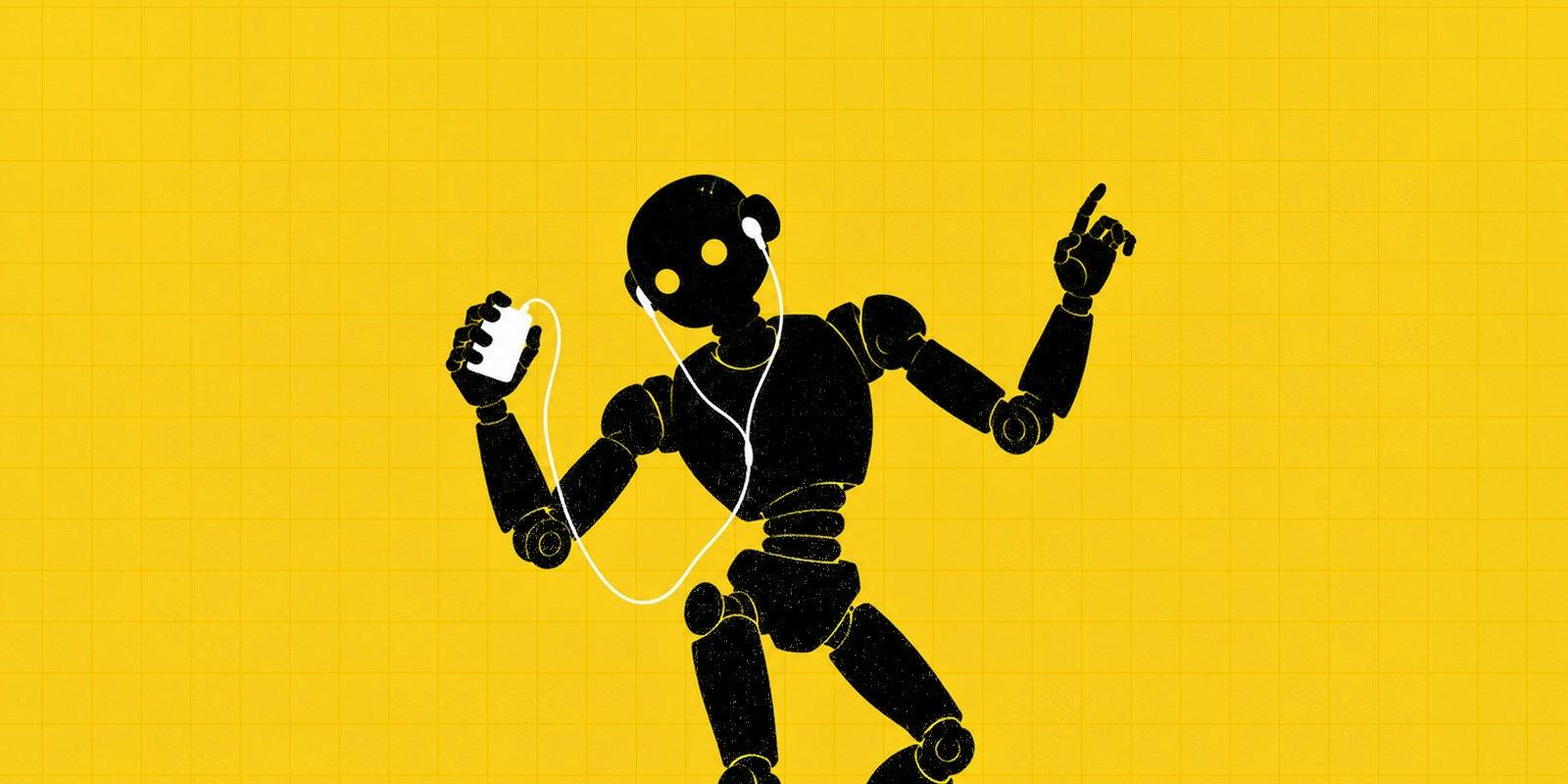
The music industry has launched a fresh crackdown on streaming fraud, a problem that has grown more sophisticated with the rise of artificial intelligence. At the heart of the issue: AI can generate plausible songs and an army of bots to listen to them, meaning real, human artists lose out on royalties they are owed.
Streaming services like Spotify, Apple Music, and Amazon Music generally collect subscription and advertising revenue, set aside a portion to pay rightsholders, and then divide that pool according to each owner's share of total streams. That system assumes every stream comes from a real listener. But scammers have found a way to game it.
How the scam works
Fraudsters upload cheap, AI-made tracks through distributors—companies that get music onto streaming platforms—and then unleash automated bots to play those tracks on repeat. The platforms treat those plays as genuine, paying royalties to the tracks' owners. The result is that money meant for legitimate artists with living, breathing listeners gets siphoned off to bad actors.
This is not a niche problem. Streaming fraud has been a concern for years, but AI has lowered the barrier to entry. Previously, creating a convincing song required some musical skill or at least access to decent recording equipment. Now, AI tools can generate passable tracks in minutes, and bot networks can be rented or built cheaply. The economics of fraud have improved dramatically for the scammers.
The industry's response has been multi-pronged. Streaming platforms have tightened their fraud detection, using algorithms to spot patterns that suggest bot activity, such as unusually high play counts from a single account or suspiciously repetitive listening habits. Distributors are being asked to vet their clients more carefully. And some royalty collection bodies have introduced rules that penalize or ban repeat offenders.
Why this matters beyond music
For investors, this story is about more than just the music business. It is a case study in the fragility of any business model that prices value based on a pile of clicks, views, or followers. If a platform's revenue depends on counting engagement, then fake engagement is a direct threat to its economics.
Consider the broader digital economy. Social media companies, video platforms, and even news sites rely on metrics like views and time spent to sell advertising. If those metrics can be inflated by bots, advertisers pay for audiences that do not exist, and the platform's credibility suffers. The music industry's fight is a warning for any company that trades on digital attention.
For everyday investors, the key takeaway is to be aware of the risks in companies that depend heavily on user metrics. When evaluating a streaming service or a social media platform, it is worth asking how much of its reported engagement is real. Companies that invest in fraud detection and transparency may be better positioned than those that ignore the problem.
What it means for investors
The crackdown on streaming fraud could have several effects on the music industry and its investors. First, it may reduce the amount of money paid out to fraudulent actors, which could slightly increase the royalties available for legitimate artists. That is good news for record labels and artists, but the impact on streaming platforms' bottom lines is likely modest, since fraud is a small fraction of total streams.
Second, the crackdown could increase costs for streaming platforms and distributors, as they invest in better detection systems and compliance. These costs may be passed on to consumers in the form of higher subscription prices, or absorbed by the companies, potentially squeezing margins.
Third, the fight against fraud is part of a larger trend of AI regulation and content authenticity. As AI-generated content becomes more prevalent, platforms across industries will need to develop ways to distinguish between human and machine output. Companies that do this well may gain a competitive advantage.
For those invested in music streaming stocks or related companies, it is worth watching how they handle this issue. A platform that fails to control fraud could see artist trust erode, leading to exclusive content going elsewhere. Conversely, a platform that successfully curbs fraud could strengthen its relationships with artists and improve its long-term economics.
The music industry's battle with AI streaming fraud is a reminder that technology cuts both ways. It can create new opportunities, but it can also create new ways to cheat the system. For investors, understanding how companies manage these risks is part of the job.