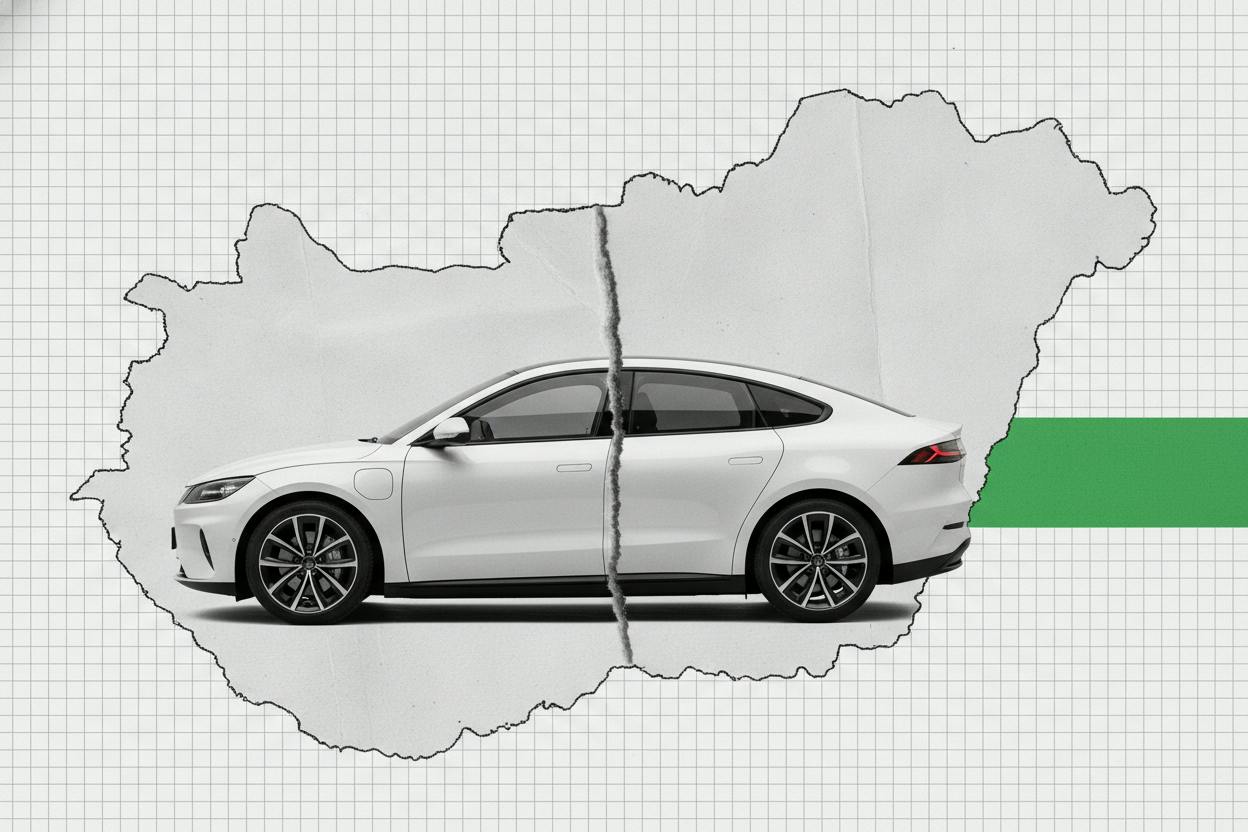
Chinese electric-vehicle giant BYD is preparing to make Europe more than just a sales market. According to a Reuters report on Monday, the company plans to start producing heavy-duty trucks in the region and will begin mass production of cars at its new plant in Hungary next year. The strategy is designed to reduce the impact of import tariffs that the European Union has imposed on Chinese-made electric vehicles.
Why local production matters
The EU has been levying additional tariffs on EVs imported from China, arguing that Chinese manufacturers benefit from state subsidies that give them an unfair advantage. For BYD, which has been one of the fastest-growing EV brands in Europe, these tariffs eat into profit margins and make its cars more expensive for European buyers.
By building vehicles inside the EU, BYD can avoid those tariffs and sell its cars at more competitive prices. This is a common strategy for automakers: producing locally also shortens supply chains and makes it easier to adapt vehicles to local tastes and regulations.
The Hungary plant is central to this plan. The facility, which BYD has been developing, is expected to start mass-producing passenger cars next year. Adding heavy-duty truck production would mark a significant expansion of BYD's European manufacturing footprint, moving beyond cars into commercial vehicles.
Heavy-duty trucks: a new front
Heavy-duty trucks are a different beast from passenger cars. They require larger production facilities, different supply chains, and often face stricter emissions and safety standards. But they also represent a growing market for electric powertrains, especially as logistics companies look to cut their carbon footprints.
BYD already sells electric buses and trucks in various markets, so it has experience in commercial vehicles. Expanding that into Europe could position the company to compete with established European truck makers like Daimler Truck, Volvo, and MAN, which are also investing heavily in electric models.
The move also aligns with broader trends in the region. Several companies are testing autonomous trucking and electric freight solutions, as seen with Pony.ai's plans to test robotrucks in Europe. While BYD's trucks will likely be driver-operated, the push toward cleaner freight is clear.
What it means for investors
For everyday investors, BYD's expansion is a signal that the company is serious about long-term growth in Europe, not just a quick sales push. Local production could help BYD protect its market share in a region that is becoming increasingly important for EV adoption.
However, building new factories is expensive and takes time. Investors should watch for updates on construction timelines, production targets, and whether BYD can achieve the scale needed to make the Hungarian plant profitable. The company will also face competition from European automakers and other Chinese brands that are similarly expanding.
For those holding European auto stocks, this news is a reminder that competition from Chinese EV makers is not going away. It could pressure margins for legacy automakers, but it also pushes the entire industry toward more local production and innovation.
For broader market watchers, BYD's move is part of a larger story of Chinese companies investing in Europe. This can be seen in other sectors too, such as Chinese tech companies gaining traction globally. While that particular story is about a Shanghai listing, the underlying trend of Chinese firms expanding internationally is relevant.
Risks and watch points
There are risks. Tariff policies can change, and the EU could adjust its stance on Chinese EVs. Also, building trucks and cars in a new plant is complex, and delays are common in the auto industry. Investors should not expect immediate results; the benefits of local production will likely take years to materialize.
Another factor to consider is the overall health of the European economy. If demand for EVs slows, BYD's investment might not pay off as quickly as hoped. European markets have faced volatility due to energy prices and other macroeconomic pressures, which could affect consumer spending on big-ticket items like cars.
Still, BYD's commitment to Europe is a clear sign that the company sees the region as a key battleground for electric vehicles. By producing locally, it aims to be a major player in the transition to cleaner transportation.
The bottom line
BYD's plan to build trucks and ramp up car production in Hungary is a strategic move to bypass tariffs and strengthen its position in Europe. For investors, it underscores the growing importance of local manufacturing in the global EV race. While there are execution risks, the direction is clear: BYD wants to be a European manufacturer, not just an importer.
As the company moves forward, keep an eye on how the Hungarian plant progresses and whether BYD can successfully launch truck production. These developments could have a meaningful impact on the company's bottom line and on the competitive landscape for European automakers.