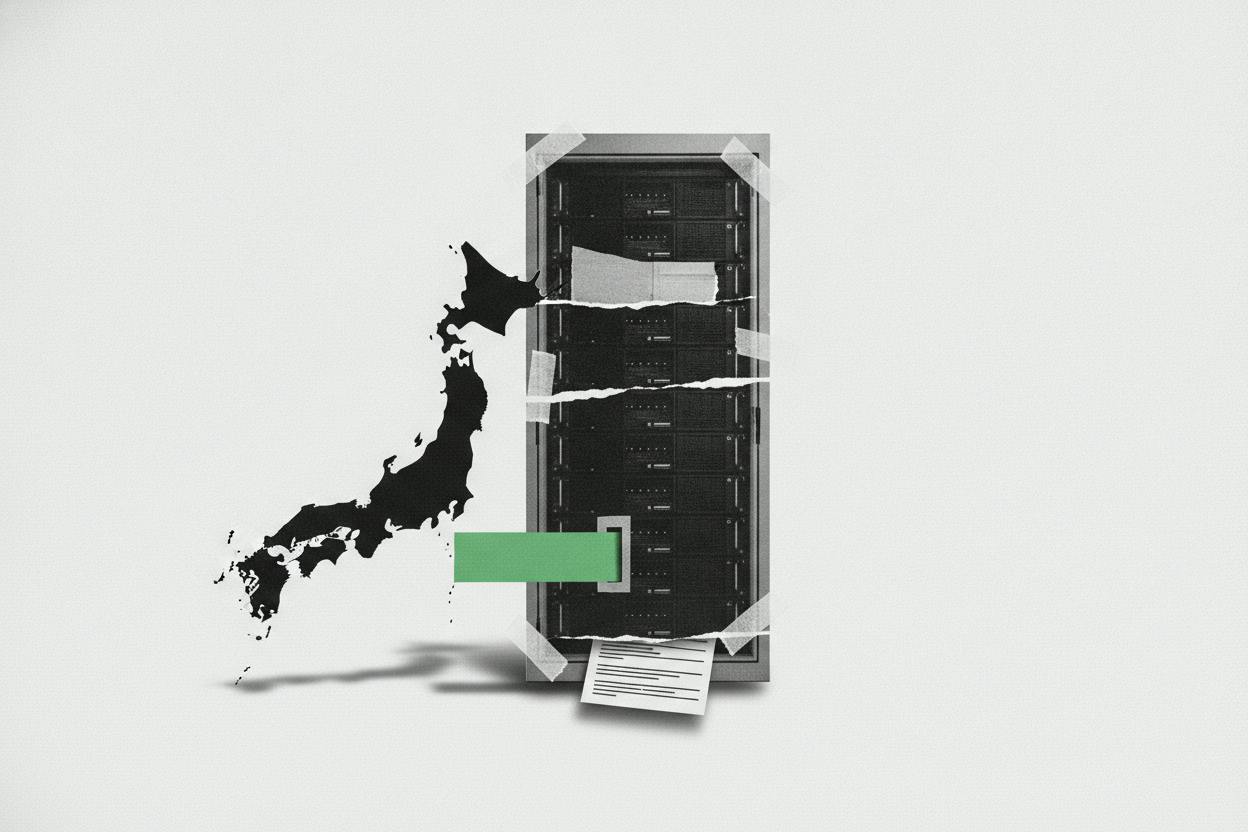
SoftBank-backed data center developer SB Energy is lining up Japanese capital ahead of its planned US initial public offering (IPO). The company says it intends to sell up to $500 million in new shares to investors in Japan, while keeping the overall size of the listing under wraps.
SB Energy, which builds and operates data centers, is part of the SoftBank group, the Japanese tech conglomerate known for its Vision Fund and investments in companies like Arm and Alibaba. The move to tap Japanese investors first is a strategic step that could help anchor demand for the IPO when it eventually hits the US market.
Why Japanese investors?
For a company with strong ties to Japan, raising money from domestic investors makes sense. Japanese institutions and retail investors are familiar with the SoftBank brand and may be more willing to back a company that is part of that ecosystem. By selling shares to Japanese investors ahead of the US listing, SB Energy can build a base of committed shareholders and gauge appetite for its stock.
This approach is not unusual. Many companies with international operations often seek cornerstone investors—large, long-term shareholders—before a public offering. These investors provide a vote of confidence that can help attract other buyers when the stock lists.
The data center industry has been booming, driven by the surge in cloud computing, artificial intelligence, and digital services. Companies like SB Energy are racing to build the physical infrastructure that powers the internet and AI applications. That demand has made data center developers attractive to investors, even as interest rates and construction costs remain elevated.
What does this mean for investors?
For everyday investors, the key takeaway is that SB Energy is moving closer to a US listing, but the details are still thin. The company has not disclosed the total number of shares it plans to sell, the expected price range, or the exchange on which it will list. That means it is too early to evaluate the investment case.
When a company keeps its IPO size under wraps, it often signals that it is still finalizing plans and gauging market conditions. It also gives the company flexibility to adjust the offering based on investor demand. For potential investors, this means waiting for more concrete information before making any decisions.
IPOs are inherently risky. Unlike established companies with years of financial history, newly listed firms often have limited track records and can be volatile in their early days of trading. Investors should be prepared for the possibility of sharp price swings and should consider whether the company's business model and growth prospects align with their own investment goals.
The broader market context also matters. IPO activity has been uneven in recent years, with some high-profile listings performing well and others struggling. Rising interest rates have made investors more selective, favoring companies with clear paths to profitability. SB Energy will need to convince investors that it can generate sustainable returns in a competitive market.
What to watch next
Investors should watch for updates from SB Energy on the size and timing of the IPO, as well as any filings with US regulators. Those documents will provide details on the company's financials, revenue growth, and competitive position. They will also reveal how much of the company the SoftBank group will retain after the listing.
Also worth monitoring is the broader data center sector. Major banks like TD have pledged billions to finance energy and AI infrastructure, highlighting the scale of investment flowing into this space. That trend could support demand for SB Energy's shares, but it also means competition for capital and customers is intense.
For now, the $500 million Japanese offering is a signal of intent. It shows that SB Energy is serious about going public and is working to secure a solid investor base. But until the full details are revealed, investors should treat this as an early chapter in a story that is still unfolding.
As always, it's wise to do your own research and consider your risk tolerance before investing in any IPO. The potential for high returns comes with high uncertainty, and past performance is no guarantee of future results.