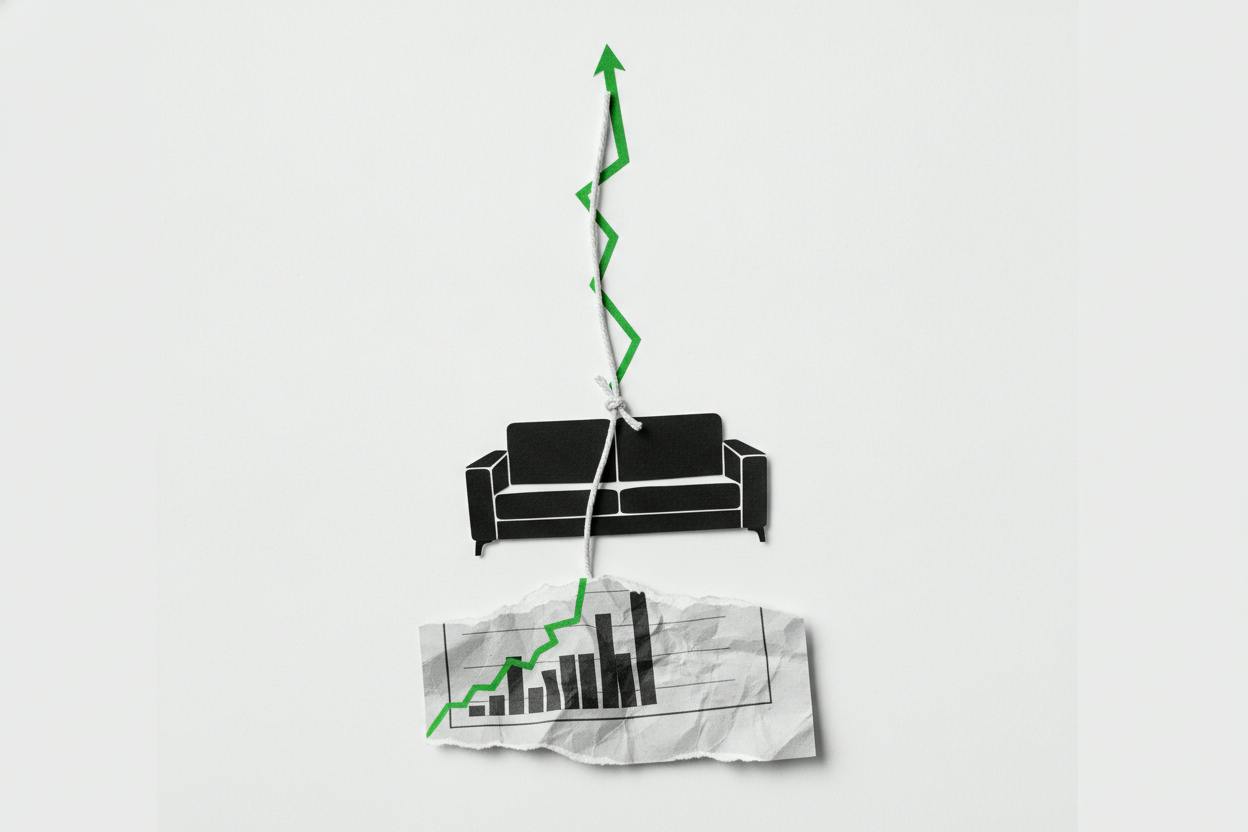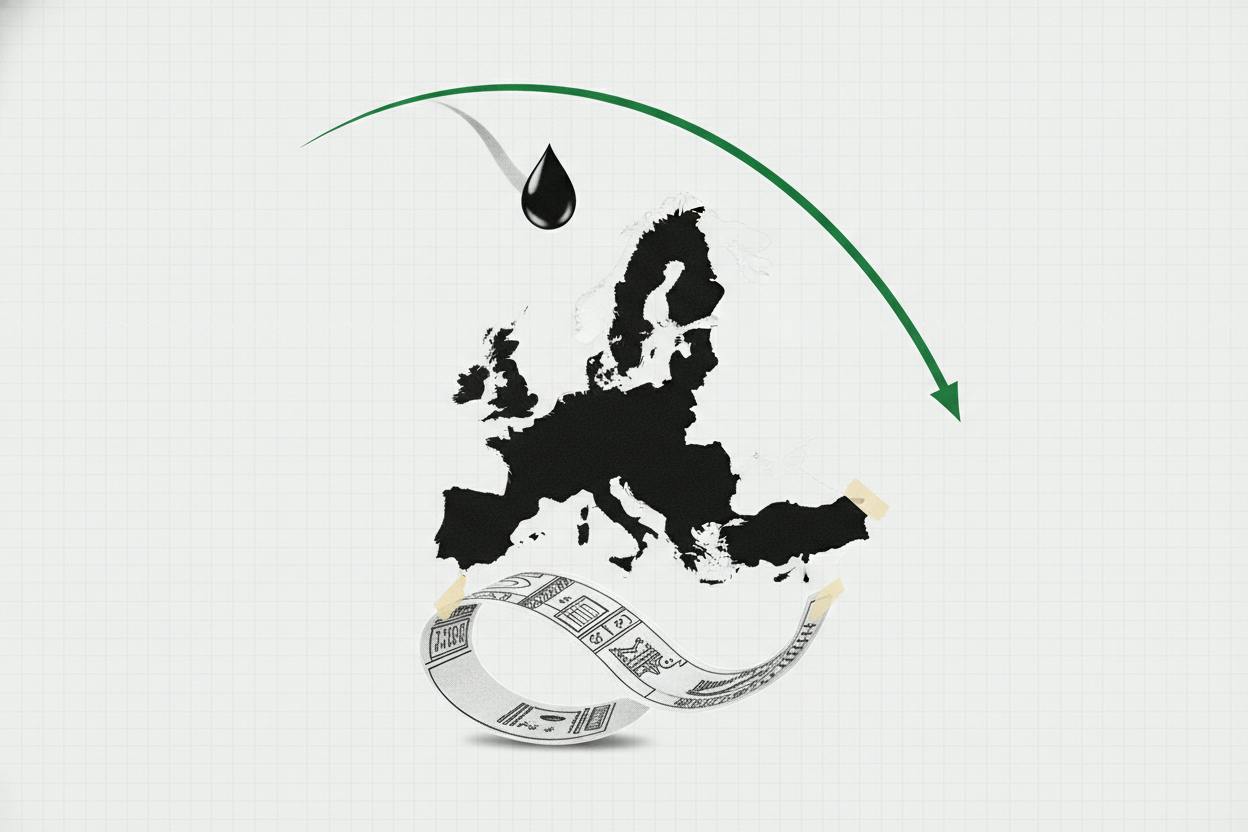
European shares closed higher on Tuesday, with the pan-continental STOXX 600 index adding 0.5% to 640.37. The advance was led by travel and technology stocks, as a fresh drop in oil prices and a pause in the recent climb of government-bond yields made riskier assets more attractive. The move came as investors turned their attention to the Bank of England's upcoming rate decision, which is expected to set the tone for UK and European markets in the near term.
What drove the gains?
Travel and leisure stocks were among the best performers, rising 0.8%. Cheaper jet fuel is a direct cost relief for airlines and tour operators, and the decline in crude prices helped lift sentiment across the sector. Technology shares also added 0.8%, supported by strength in major names such as ASML, the Dutch semiconductor-equipment maker, and Nemetschek, a German software company focused on construction and engineering.
On the other side, energy stocks slipped 0.2% as the drop in crude weighed on producers' earnings outlook. Even with the decline, oil prices remain elevated by historical standards, but the direction of travel matters for investors who have grown used to energy being a reliable source of gains.
The calmer tone in bond markets was another key factor. In recent weeks, government-bond yields had been climbing, which tends to make future earnings from stocks look less attractive and puts pressure on high-valuation growth shares. With yields steadying, investors felt more comfortable holding equities, particularly in rate-sensitive sectors like technology.
Bank of England in focus
The main event for the session was the Bank of England's monetary policy announcement. While the central bank is widely expected to hold rates steady, the accompanying statement and vote split will be scrutinised for clues about the path ahead. A more hawkish tone—signalling that rates may stay higher for longer—could weigh on stocks, while a dovish surprise might give markets a further boost.
The BoE's decision comes against a backdrop of slowing inflation and mixed economic data in the UK. Investors are also keeping an eye on the Federal Reserve, which has recently delivered a hawkish rate hike that pushed yields higher and pressured global equities. The dollar's strength, which has been a headwind for emerging markets and commodities, is also being watched closely.
What it means for investors
For everyday investors, the day's moves illustrate how interconnected global markets are. When oil prices fall, it can be a double-edged sword: it helps consumers and travel-related companies, but it hurts energy producers and can signal weaker demand. Similarly, bond yields are a barometer for the cost of borrowing and the attractiveness of stocks versus safer assets.
If yields continue to ease, growth stocks—especially in tech—could see further support. But if the Bank of England or the Fed signal that rates will stay high, the recent calm could quickly reverse. As always, diversification remains a key strategy, as different sectors respond differently to the same macro forces.
Investors should also note that while the STOXX 600 is near record levels, the market's reliance on a handful of large tech and travel names means that a shift in sentiment could have outsized effects. Keeping an eye on central bank communications and oil price trends will be crucial in the coming weeks.
For those with exposure to European equities, the current environment offers a mix of opportunities and risks. Lower energy costs could boost consumer spending, while a stable bond market supports valuations. However, the path of interest rates remains the single biggest variable, and the BoE's decision is just the latest piece of that puzzle.
As always, it's wise to focus on long-term goals rather than reacting to daily moves. But understanding the forces at play—like oil, yields, and central bank policy—can help you make more informed decisions about your portfolio.