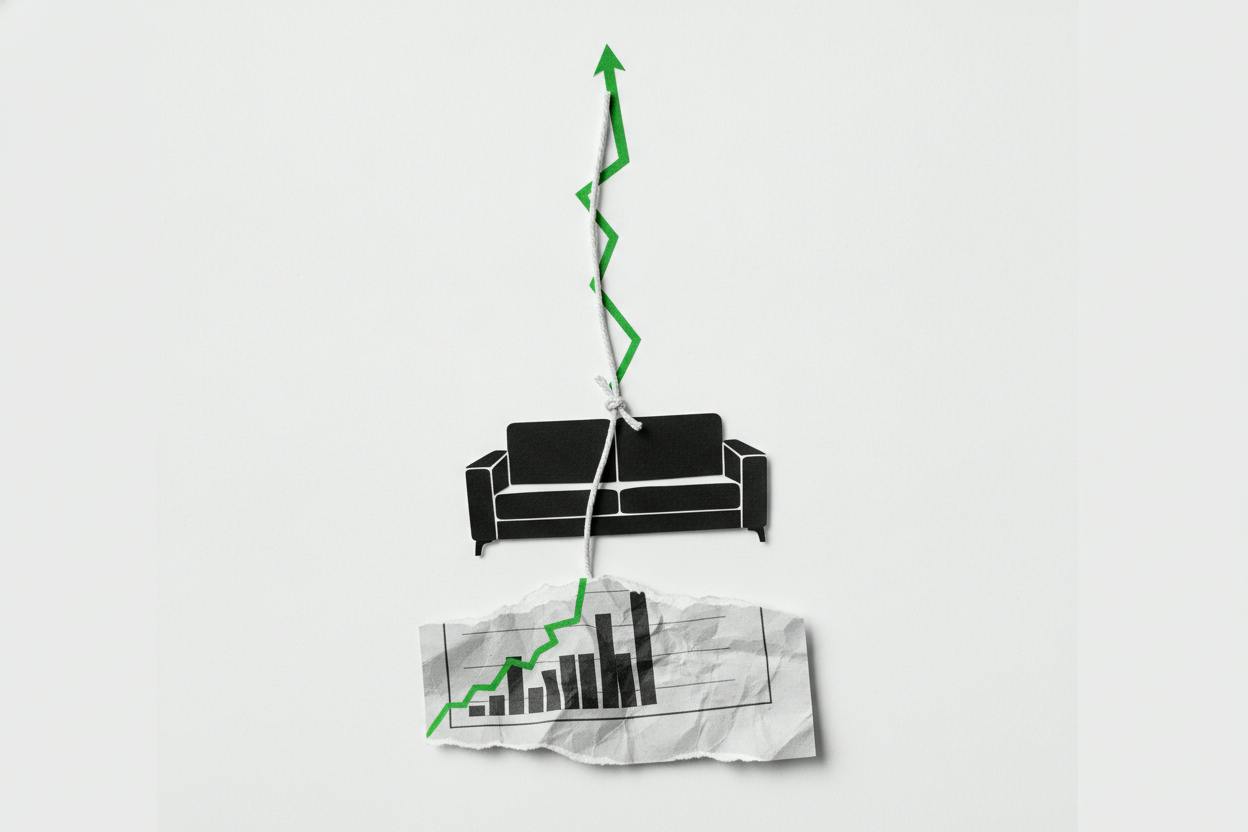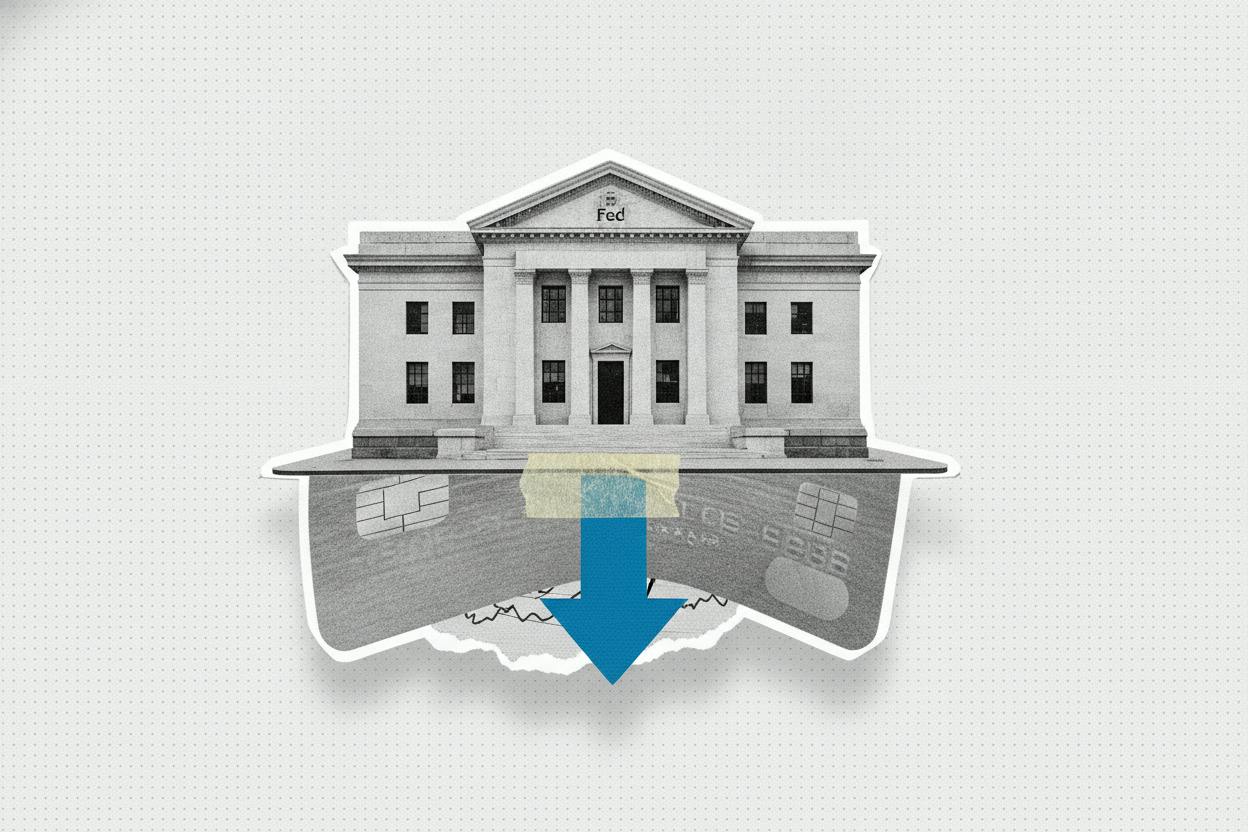
Wall Street is bracing for another interest rate increase from the Federal Reserve. After August's consumer price index (CPI) rose 0.4% — a faster pace than many had expected — traders have priced in a better than 94% chance that the central bank will raise its benchmark rate by a quarter of a percentage point at its September 15-16 meeting.
The CPI is a key measure of inflation, tracking the prices of a broad basket of goods and services, from groceries to rent. A 0.4% monthly rise translates to an annual rate that remains well above the Fed's 2% target, keeping pressure on policymakers to act.
Why the market is so confident
Futures markets, where investors bet on future interest rates, have swung sharply in recent weeks. Earlier in the summer, many hoped the Fed might pause its hiking cycle as inflation showed signs of cooling. But the August data, released this week, dashed those hopes.
The odds of a quarter-point move — which would take the federal funds rate to a range of 5.50% to 5.75% — now stand above 94%. That's a near-certainty in market terms. A move of that size is seen as the most likely outcome, with a small minority of traders still betting on a larger half-point hike.
This isn't just about one month of data. The Fed has been fighting the worst inflation in decades, and while price pressures have eased from their peaks, they remain stubbornly high. Treasury yields have been volatile as investors adjust to the reality of higher-for-longer rates.
What a hike means for your money
For everyday investors, a Fed rate hike has ripple effects across portfolios. Higher interest rates tend to weigh on stock valuations, especially for growth companies that promise big profits in the future. That's because future earnings are worth less when risk-free returns on bonds are higher.
Bond prices, meanwhile, fall when yields rise. If you hold bond funds, expect some short-term pain. But for savers, higher rates are a silver lining: yields on high-yield savings accounts and certificates of deposit (CDs) have climbed and could go higher.
Borrowing costs also rise. Credit card rates, auto loans, and adjustable-rate mortgages are all tied to the Fed's benchmark. If you're carrying a balance or planning a big purchase, this hike could mean higher monthly payments.
Inflation's broader picture
The August CPI report comes amid a mixed economic backdrop. US shoppers kept spending in August, showing resilience even as mortgage rates climbed. That spending strength is a double-edged sword: it supports growth but also gives the Fed room to keep tightening.
Other economies are facing similar dilemmas. The IMF has warned Australia's central bank may need more hikes as its inflation stays sticky. And South Africa's inflation outlook has steadied after an oil shock, but the global picture remains one of persistent price pressures.
What to watch next
The Fed's decision on September 15-16 will be the main event. But investors will also be parsing the central bank's statement and Chair Jerome Powell's press conference for clues about the path beyond September. Will this be the last hike of the cycle, or are more on the way?
Key data points to watch include the next jobs report and retail sales figures. US retail sales jumped 1.2% in August, defying forecasts, which suggests the consumer is still strong. That could embolden the Fed to keep rates higher for longer.
For now, the message from the market is clear: the fight against inflation isn't over. Investors should prepare for a world where interest rates stay elevated, and adjust their portfolios accordingly — whether that means favoring bonds for income, being selective with stocks, or simply keeping more cash in high-yield accounts.
As always, it's wise to focus on your long-term goals rather than reacting to every twist in the rate cycle. But understanding what the Fed does — and why — is essential to making informed decisions with your money.