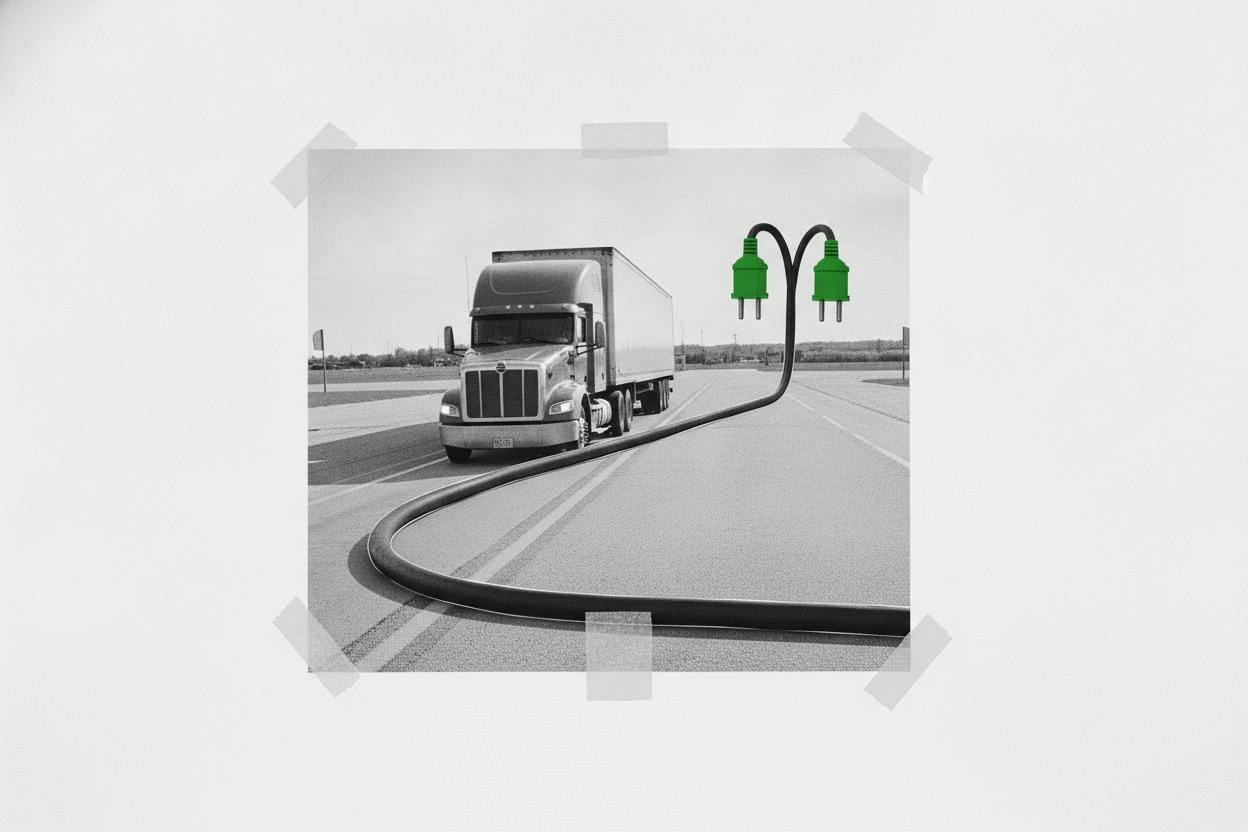
Tesla is expanding its footprint in the electric-truck charging space through a partnership with Forum Mobility, a company that builds infrastructure for heavy-duty vehicles. The two firms are opening three new depots in California that will add 30 megawatts of charging capacity for electric trucks, according to Forum Mobility.
The depots, split between northern and southern California, will offer what Tesla calls “Megacharging” — its ultra-fast charging technology designed specifically for large vehicles like semi-trucks. The sites will also include Combined Charging System (CCS) ports, which are used by many other electric vehicles, making the depots accessible to a wider range of trucks.
What is Megacharging?
Megacharging refers to Tesla's high-power charging standard for heavy-duty vehicles. Unlike the Superchargers used by Tesla's passenger cars, Megachargers are built to deliver much higher power levels — measured in megawatts — to recharge large battery packs in a short time. This is critical for trucking fleets, where long charging stops can disrupt delivery schedules and eat into profits.
The new depots are designed with pull-through lanes, allowing trucks to drive in, charge, and leave without needing to maneuver in tight spaces. This layout is a practical consideration for fleet operators, as it minimizes the time a truck spends at a charging station.
Forum Mobility said the expansion adds 30 megawatts of heavy-vehicle charging capacity across the three sites. To put that in perspective, a typical fast-charging station for cars might offer 150 to 350 kilowatts per charger. A megawatt is 1,000 kilowatts, so 30 megawatts is a substantial amount of power, capable of serving multiple trucks simultaneously.
Why this matters for the trucking industry
Electric trucks are seen as a key part of reducing emissions from freight transport, which is a major source of greenhouse gases. However, the adoption of electric trucks has been held back by a lack of charging infrastructure, especially for long-haul routes. Most existing charging stations are designed for passenger vehicles, not the larger batteries and higher power needs of semi-trucks.
By building dedicated truck charging depots, Tesla and Forum Mobility are addressing a critical gap. The partnership also highlights a growing trend: companies are teaming up to build specialized infrastructure rather than relying on a single player to do it all. Forum Mobility brings expertise in site development and logistics, while Tesla contributes its charging technology and brand recognition.
This move comes as other companies are also pushing into the electric-truck space. For instance, PlusAI, an autonomous trucking firm, is going public via a SPAC merger, and May Mobility, a self-driving shuttle company, is also listing. These developments suggest that investors are increasingly interested in the future of freight and logistics.
What it means for investors
For everyday investors, this news is a signal that the electric-vehicle ecosystem is expanding beyond passenger cars. Tesla, already a dominant player in the EV market, is positioning itself to be a major provider of charging infrastructure for commercial vehicles. This could open up new revenue streams, as charging services are often recurring and can be highly profitable once the infrastructure is in place.
However, it's important to note that the electric-truck charging market is still in its early stages. The number of electric trucks on the road remains small, and it's unclear how quickly adoption will grow. Investors should be cautious about expecting immediate financial returns from this partnership. Instead, it's a long-term bet on the electrification of freight.
For those who own Tesla stock, this is another example of the company's efforts to diversify its business. Tesla has already built a vast network of Superchargers for cars, and extending that to trucks is a natural next step. But the company faces competition from other charging networks and from traditional fuel stations that are adding EV chargers.
It's also worth noting that Tesla has faced regulatory scrutiny recently. The National Highway Traffic Safety Administration has asked Tesla to explain how its Cybercab can be driven by humans, which shows that the company's ambitious projects often attract attention from regulators. This could be a factor to watch as Tesla expands into new areas.
The bigger picture
The push for electric trucks is part of a broader trend toward decarbonizing transportation. Governments, including California's, have set ambitious targets for reducing emissions from heavy-duty vehicles. California has been a leader in this area, offering incentives for electric truck purchases and investing in charging infrastructure.
For investors, the key takeaway is that the infrastructure needed to support electric trucks is being built, but it will take time. Companies like Tesla and Forum Mobility are laying the groundwork, but the financial payoff may not come for years. As with any emerging technology, there are risks, including technological challenges, regulatory hurdles, and competition.
In the meantime, investors should keep an eye on how this partnership develops and whether other companies follow suit. The success of these depots could pave the way for more widespread adoption of electric trucks, which would have significant implications for the transportation and energy sectors.