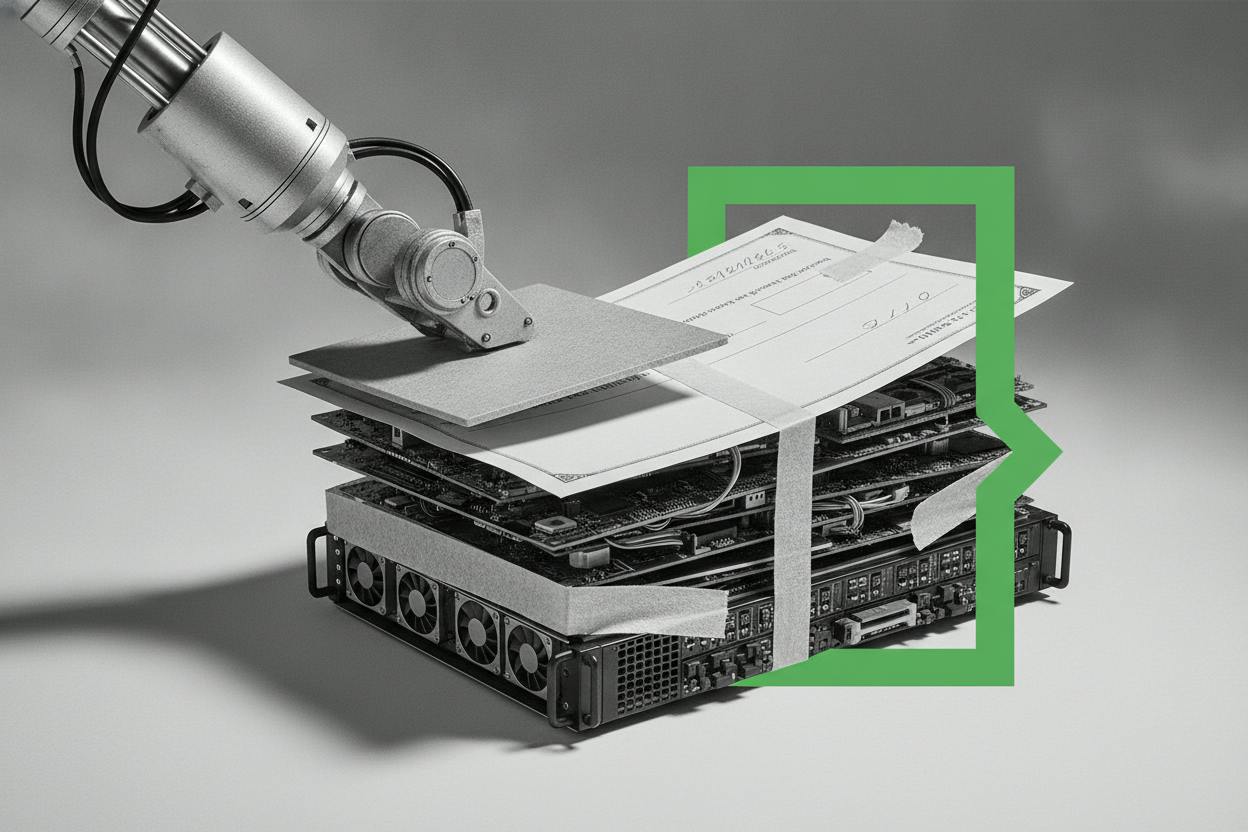
Apollo Global Management, one of the world's largest private-credit and buyout firms, is making an early bet on artificial intelligence hardware startups. According to a report from The Information, Apollo has invested tens of millions of dollars in Mercor, a startup in the AI hardware space, and is quietly positioning itself to become a go-to financier for such companies as they grow.
The move signals that Apollo sees a lucrative opportunity in the AI infrastructure boom—not just as an equity investor, but as a lender that can provide the kind of large, flexible financing that hardware startups often need to build factories, buy equipment, and scale production.
What is Apollo doing?
Apollo is primarily known for its massive private-credit operations, which lend money to companies that may not qualify for traditional bank loans. The firm manages over $600 billion in assets, and its credit arm has become a major force in corporate lending, often stepping in where banks have retreated.
By investing in Mercor, Apollo is getting an early foothold in the AI hardware ecosystem. Mercor is a startup that appears to be focused on AI-related hardware, though details about its specific products are limited. The investment is relatively small by Apollo's standards—tens of millions of dollars—but it's strategically significant.
According to The Information, Apollo's plan is not just to write equity checks. The firm is positioning itself to offer debt or asset-backed financing to AI hardware startups down the line. Asset-backed financing involves loans that are secured by physical assets, such as equipment, inventory, or even intellectual property. For hardware companies, this type of lending can be crucial because they often have significant capital expenditures before they generate revenue.
Why AI hardware startups need big money
AI hardware is a capital-intensive business. Companies that design and manufacture chips, servers, or other AI infrastructure must spend heavily on research, prototyping, and production. Unlike software startups, which can scale with relatively little capital, hardware startups often need hundreds of millions of dollars to bring a product to market.
That's where Apollo sees an opening. Traditional venture capital firms typically provide early-stage equity, but they may not have the appetite or the balance sheet to offer large debt facilities. Apollo, with its deep pockets and expertise in structured finance, can step in with loans that are backed by the company's assets.
This is a pattern that has played out in other industries, such as energy and real estate, where Apollo has provided financing for projects that require heavy upfront investment. The AI hardware sector is now attracting similar attention from private-credit firms, as the demand for AI computing power continues to surge.
What this means for investors
For everyday investors, this news is a signal about where the smart money is heading. Apollo's move suggests that AI hardware is not just a story for public tech giants like Nvidia or Dell—it's also a growing niche for private capital. The fact that a major firm like Apollo is willing to back a relatively early-stage startup indicates confidence in the long-term demand for AI infrastructure.
It also highlights the growing role of private credit in funding the AI boom. While public markets have seen a surge in AI-related stocks, much of the actual building of AI infrastructure is being financed through private debt and equity. This could mean that the biggest winners in the AI revolution may not be publicly traded companies, but private ones backed by firms like Apollo.
For investors, this is a reminder to pay attention to the broader AI supply chain. Companies that provide the hardware, components, and financing for AI are all part of the ecosystem. While it's difficult for retail investors to directly invest in private startups like Mercor, they can look at publicly traded companies that are involved in AI hardware, such as those that make chips, servers, or networking equipment. For example, Dell has been a major beneficiary of AI server demand, as noted in a recent analysis of its AI server backlog.
Apollo's move also underscores the importance of private credit in the current market. As banks have become more cautious, firms like Apollo have stepped in to fill the gap. This trend is likely to continue, especially in sectors that require large capital outlays.
What to watch next
Investors should keep an eye on Apollo's future moves in the AI hardware space. If the firm starts offering debt financing to other startups, it could signal that the sector is maturing and that more companies are reaching the stage where they need significant capital.
Also worth watching is how this affects the broader private-credit market. Apollo is one of the largest players in this space, and its strategy often influences other firms. If Apollo is successful in AI hardware lending, we could see more private-credit firms entering the sector, which could increase competition and potentially lower borrowing costs for startups.
For now, the investment in Mercor is a small but telling step. It shows that Apollo is not just a passive investor in the AI boom—it's actively trying to become a key financial partner for the companies that are building the physical infrastructure of artificial intelligence.
As always, investors should remember that private investments like these are risky and illiquid. But the fact that a major firm like Apollo is willing to put money into AI hardware startups is a strong signal about the long-term potential of the sector.