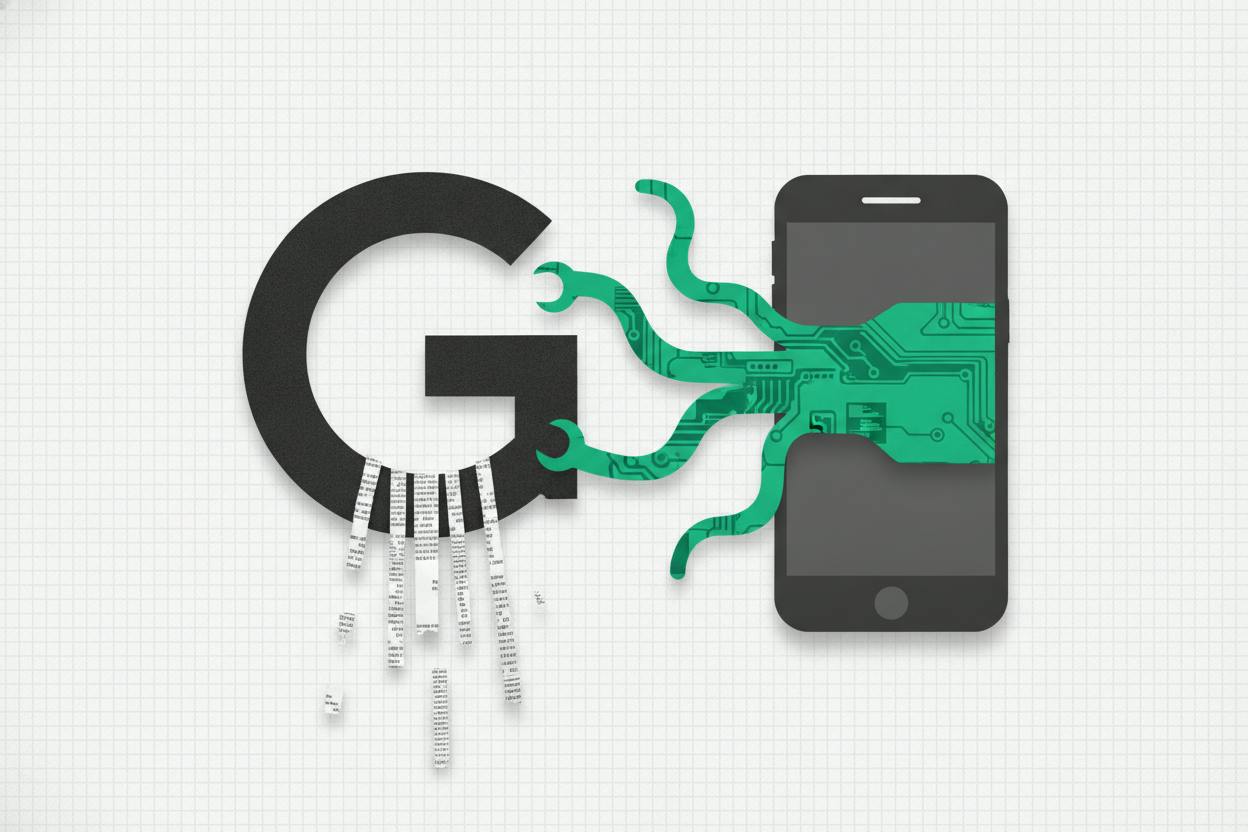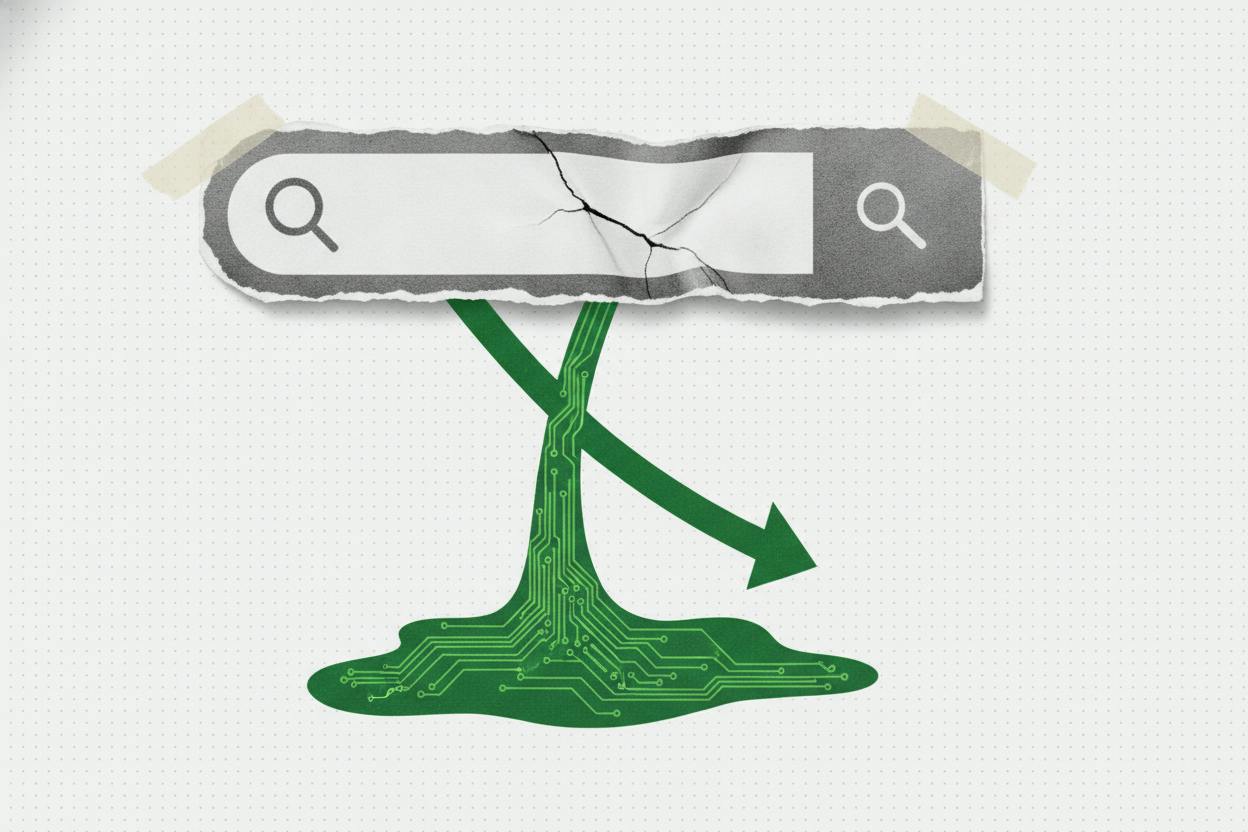
Alphabet's shares tumbled 13% in a single session after the company reported weaker-than-expected search advertising revenue and signaled that its artificial intelligence (AI) investments are costing more than investors had hoped. The sharp decline dragged the Nasdaq composite lower and reignited a familiar worry across big tech: are companies spending too much on AI too quickly, without a clear payoff in sight?
The selloff came on the same day as fresh inflation data from the personal consumption expenditures (PCE) price index, the Federal Reserve's preferred inflation gauge. The reading came in broadly in line with expectations, keeping the central bank's interest rate path in focus. For everyday investors, the combination of a mega-cap earnings miss and sticky inflation data creates a double dose of uncertainty for stock portfolios.
What happened with Alphabet?
Alphabet, the parent company of Google, reported earnings that missed analyst expectations on two fronts. First, its core search advertising business grew more slowly than anticipated, a sign that even the dominant player in digital ads is feeling some pressure. Second, the company's spending on AI infrastructure—data centers, chips, and research—rose sharply, squeezing profit margins.
Investors have been willing to give big tech companies leeway on AI spending as long as revenue growth stays strong. But when a company like Alphabet shows both slowing growth and rising costs, the market quickly reprices the stock. The 13% drop erased more than $500 billion in market value, a move that alone accounted for most of the Nasdaq-100's roughly $693 billion decline on the day.
Other tech names also disappointed in the same session, feeding a broader sense that investors are now scrutinizing profit margins and forward guidance rather than just applauding AI announcements. This shift in sentiment is a key reason why the Nasdaq, which is heavily weighted toward large technology companies, felt the brunt of the selling.
Why AI spending is suddenly a concern
The core question hanging over big tech is simple: are companies pouring cash into AI fast enough to defend their competitive position, but not so fast that it crushes profits? For years, the market rewarded any company that talked up AI. Now, investors are demanding evidence that those investments will generate returns.
This dynamic is not unique to Alphabet. Across the sector, companies are facing pressure to show that AI spending translates into higher revenue or cost savings. When a bellwether like Alphabet stumbles, it raises doubts about the entire group. As we've noted in our coverage of AI spending scrutiny and cash flow concerns, the market is increasingly focused on whether these massive capital outlays will eventually pay off.
The selloff also highlights how interconnected the tech sector has become. Because the Nasdaq-100 is market-cap weighted, the biggest companies have the largest impact on the index. When a mega-cap like Alphabet falls, index-linked products such as exchange-traded funds (ETFs) automatically adjust their holdings, which can translate one company's post-earnings drop into mechanical selling across a broader basket of stocks. That means even if most other tech companies didn't report new information, they can still get caught up in the downdraft.
What the inflation data means for rates
While Alphabet dominated the headlines, the PCE inflation report was equally important for the broader market. The PCE price index is the Fed's preferred measure of inflation because it captures changes in consumer behavior and is less volatile than other gauges. When it comes in as expected, it gives the Fed room to keep interest rates where they are, which is what markets are currently pricing in.
But the fact that inflation remains above the Fed's 2% target means rates are likely to stay higher for longer. Higher interest rates make future profits less valuable, which is particularly painful for growth stocks like those in the tech sector. This is why the combination of an AI spending scare and persistent inflation can hit the Nasdaq especially hard.
For context, the US economy has shown resilience, with consumer spending staying strong, as seen in recent GDP growth data. But that strength also gives the Fed less reason to cut rates soon. Investors are now watching every data point for clues about when the central bank might ease policy.
What it means for investors
For everyday investors, the key takeaway is that big tech earnings are now a two-sided story. On one hand, companies like Alphabet are still growing and generating massive profits. On the other, the cost of building AI infrastructure is rising, and the payoff is uncertain. This tension is likely to keep volatility high in tech stocks.
If you own a broad index fund or an ETF that tracks the Nasdaq-100, a single company's earnings miss can move your portfolio more than you might expect. That's because these funds are weighted toward the largest companies, so a 13% drop in Alphabet can drag down the entire index. This is a reminder of the importance of diversification, even within a single sector.
Investors should also keep an eye on how other big tech companies report in the coming weeks. As we've seen with Microsoft's cloud surge versus Alphabet's miss, the market is rewarding companies that can show AI spending is translating into growth, while punishing those that can't. The split between winners and losers is likely to continue.
Finally, the inflation backdrop remains crucial. If PCE data continues to come in as expected, the Fed is likely to hold rates steady, which could keep pressure on high-valuation tech stocks. But if inflation cools faster than expected, it could provide a tailwind for the entire market. For now, the path of interest rates remains the other big variable alongside AI spending.
In short, this week's moves are a reminder that the market's enthusiasm for AI is not unconditional. Investors want to see profits, not just promises. And when a company like Alphabet stumbles, it can send ripples through the entire tech sector and beyond.