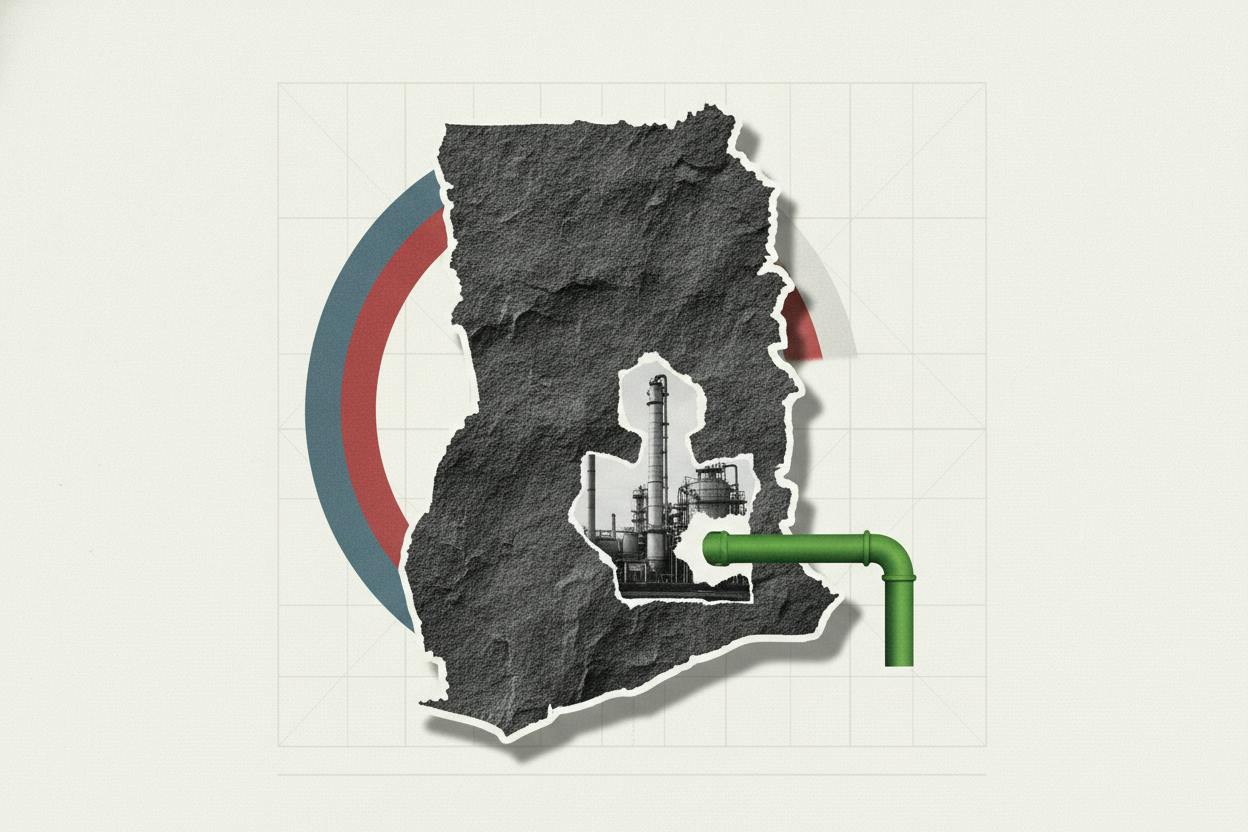
Russian aluminum producer Rusal has struck a deal with Ghana's state-owned Ghana Integrated Aluminium Development Corporation (GIADEC) to develop a major new source of bauxite and build a refinery to process it. The agreement, announced this week, covers mining up to 5 million tons of bauxite a year and constructing a 1.2 million-ton-per-year alumina refinery, according to the company.
The projects will be carried out through two joint ventures in which Rusal holds majority stakes, centered on the Nyinahin deposit in southwest Ghana. Rusal says the deposit contains more than 100 million tons of bauxite, the raw material used to make alumina, which in turn is the key ingredient for aluminum smelting.
Why Rusal is rebuilding its supply chain
The deal is part of a broader effort by Rusal to regain control over its supply of alumina, which it lost in large part after Russia's invasion of Ukraine in 2022. According to Reuters, Rusal lost about 40% of its alumina supply that year, as sanctions and logistical disruptions cut off access to key sources, including a major refinery in Ukraine and Australian alumina that was banned from export to Russia.
Alumina is a critical input for aluminum production, and without a reliable supply, smelters can be forced to cut output or pay higher prices on the open market. For Rusal, which is one of the world's largest aluminum producers, securing its own alumina sources is a strategic priority. The company has been exploring options in various countries, and Ghana now appears to be a key part of that plan.
The Ghana project is not new in concept—Rusal has been involved in the West African nation's bauxite sector for years—but the scale and structure of this agreement mark a significant step forward. The two joint ventures will allow Rusal to oversee both mining and refining, giving it more control over the entire production chain from raw material to finished alumina.
What this means for the aluminum market
For the global aluminum market, the deal adds a potential new source of supply at a time when inventories have been tight. Aluminum prices have been edging up as warehouse inventories keep falling, reflecting strong demand from sectors like automotive, construction, and packaging, as well as supply constraints in some regions.
If the Ghana project reaches full capacity, it could help ease some of that tightness, though the timeline is likely to be long. Building a refinery of this size typically takes several years and requires significant capital investment. Rusal has not provided a specific start date, but industry analysts note that such projects often face delays due to permitting, financing, and construction challenges.
For Rusal, the deal also reduces its reliance on third-party alumina suppliers, which can be a source of price volatility and geopolitical risk. By owning its own supply, the company can better control costs and ensure steady production at its smelters.
What it means for investors
For everyday investors, this news is a reminder that commodity producers often face supply chain risks that can affect their profits. When a company like Rusal loses access to a key input, it can hurt margins and lead to higher costs, which may be passed on to consumers or eat into earnings.
The Ghana deal is a positive step for Rusal's long-term strategy, but it is not a quick fix. Investors should watch for updates on the project's progress, including any announcements about financing, construction timelines, or potential delays. Also worth monitoring is how the deal affects Rusal's overall alumina supply balance and whether it helps the company regain the production capacity it lost in 2022.
For those invested in aluminum-related stocks or funds, the broader picture is that supply constraints have been supporting prices. Any new supply, whether from Ghana or elsewhere, could eventually weigh on prices, but that is likely years away. In the meantime, the market remains sensitive to geopolitical events, such as supply disruptions in other commodities, which can have knock-on effects on industrial metals.
Rusal's move also highlights a trend among large producers to secure their own raw materials, a strategy that can provide a competitive edge but also carries execution risk. For investors, understanding these dynamics is key to evaluating the long-term prospects of any commodity company.
As with any major capital project, the Ghana venture will take time to deliver results. But for Rusal, it represents a concrete step toward rebuilding the supply chain resilience it lost in 2022, and a signal that the company is looking beyond its traditional sources to secure its future.