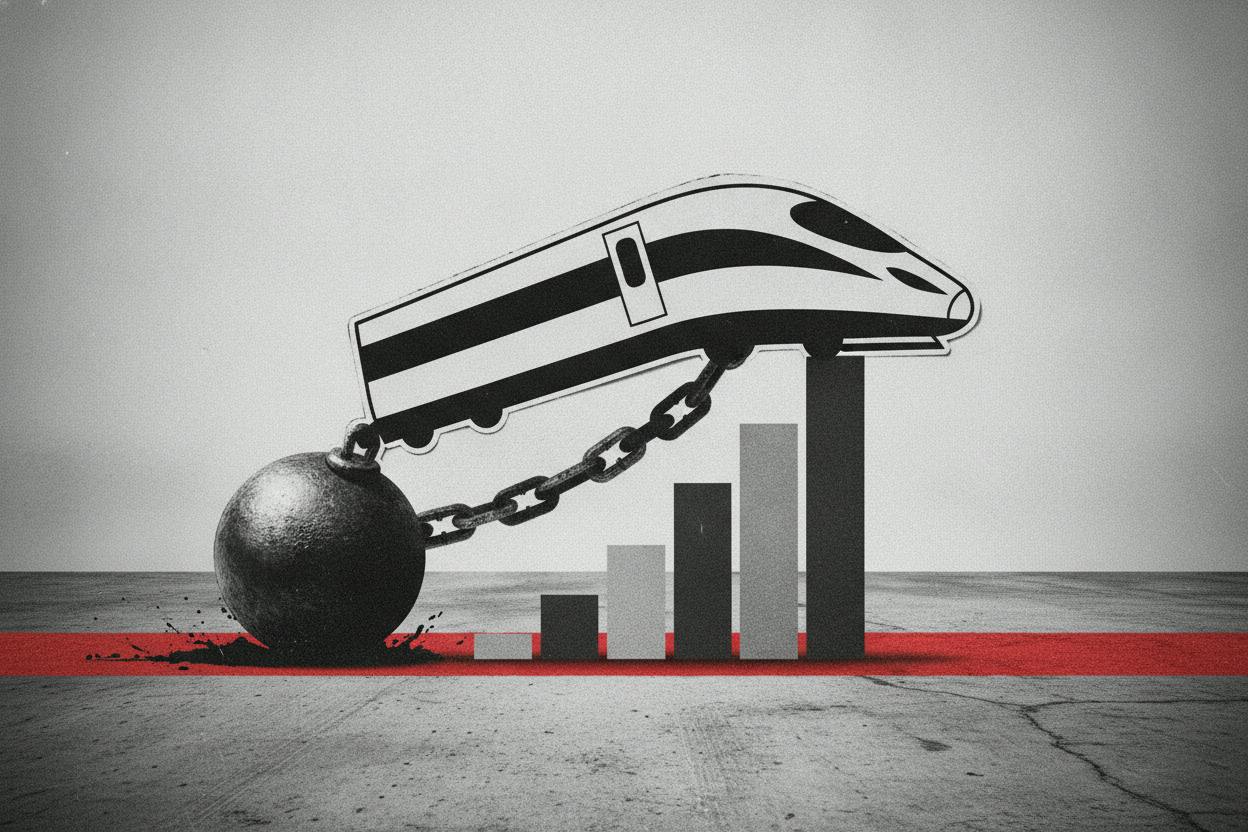
Alstom, the French train maker, saw its shares tumble to a more-than-21-year low on Tuesday after the company reported that net debt more than doubled to €1.1 billion. Investors are demanding clearer details on the company's €2 billion deleveraging plan, which was first flagged earlier in November.
The selloff reflects growing concerns about Alstom's ability to stabilize its finances while it works through a series of problem contracts, including Germany's Coradia Max trains. Management has cited delays, technical issues, and cost overruns on these projects, which have weighed heavily on the company's cash flow.
What's behind the numbers?
In the six months to September 30, Alstom's net debt rose by about €700 million, and its adjusted net result swung to a loss of €822 million. The company had already cut its 2026 outlook earlier this year, which had bruised the stock. Now, investors are focused on the next funding step.
According to Reuters, Alstom offered limited detail on the €2 billion deleveraging plan it announced earlier in November. Analysts at Deutsche Bank and UBS expect the company may rely heavily on a rights issue, a process where existing shareholders are asked to buy new shares to raise capital. Such a move would likely come at a discount to the current stock price and would increase the number of shares outstanding, diluting existing shareholders' stakes.
The credit markets have also raised the stakes. Moody's, a credit rating agency, kept Alstom's rating at Baa3 but changed its outlook to negative, signaling that a downgrade is now more likely. Since Baa3 is the lowest investment-grade rating, another cut could push Alstom into "junk" territory, which typically makes borrowing more difficult and more expensive.
Why the credit rating matters
Moody's Baa3 negative outlook puts financing risk front and center. Many bond funds and bank lending rules are designed to hold or lend only to investment-grade borrowers. If Alstom slips below that line, it could face higher interest costs and a smaller pool of lenders, exactly when it needs financial flexibility.
That's why talk of a rights issue is such a weight on the shares. Equity raises can cut debt quickly, but they often come at a discount to the current stock price and increase the number of shares, which dilutes existing owners. Until investors see the size, pricing, and timing of any raise—and a believable path to that €2 billion target—the balance sheet is likely to keep driving sentiment more than day-to-day project updates.
What it means for investors
For everyday investors, this story is a reminder that a company's debt load and credit rating can be just as important as its earnings. A downgrade to junk status can trigger forced selling by funds that are only allowed to hold investment-grade bonds, which can push bond prices down and yields up. That, in turn, makes it more expensive for the company to borrow, potentially squeezing its cash flow further.
Investors should also watch for any announcement of a rights issue. If Alstom does go that route, existing shareholders will have the option to buy new shares, but they'll need to decide whether to put more money in or see their ownership stake diluted. The size, pricing, and timing of any such move will be critical.
For now, the market is clearly skeptical. The stock's slide to a 21-year low shows that investors are not convinced Alstom can turn things around quickly. The company's next moves—whether it's a rights issue, asset sales, or a revised plan—will be closely scrutinized.
In the broader context, Alstom's troubles are not isolated. The rail industry has faced supply chain disruptions and cost inflation, which have hit many manufacturers. But Alstom's specific problems with the Coradia Max trains have compounded its challenges, making it a cautionary tale for investors in capital-intensive industries.
As always, it's important to remember that investing involves risk, and past performance is not a guarantee of future results. For those holding Alstom shares, the coming weeks will be crucial as the company lays out its plan to reduce debt and restore confidence.