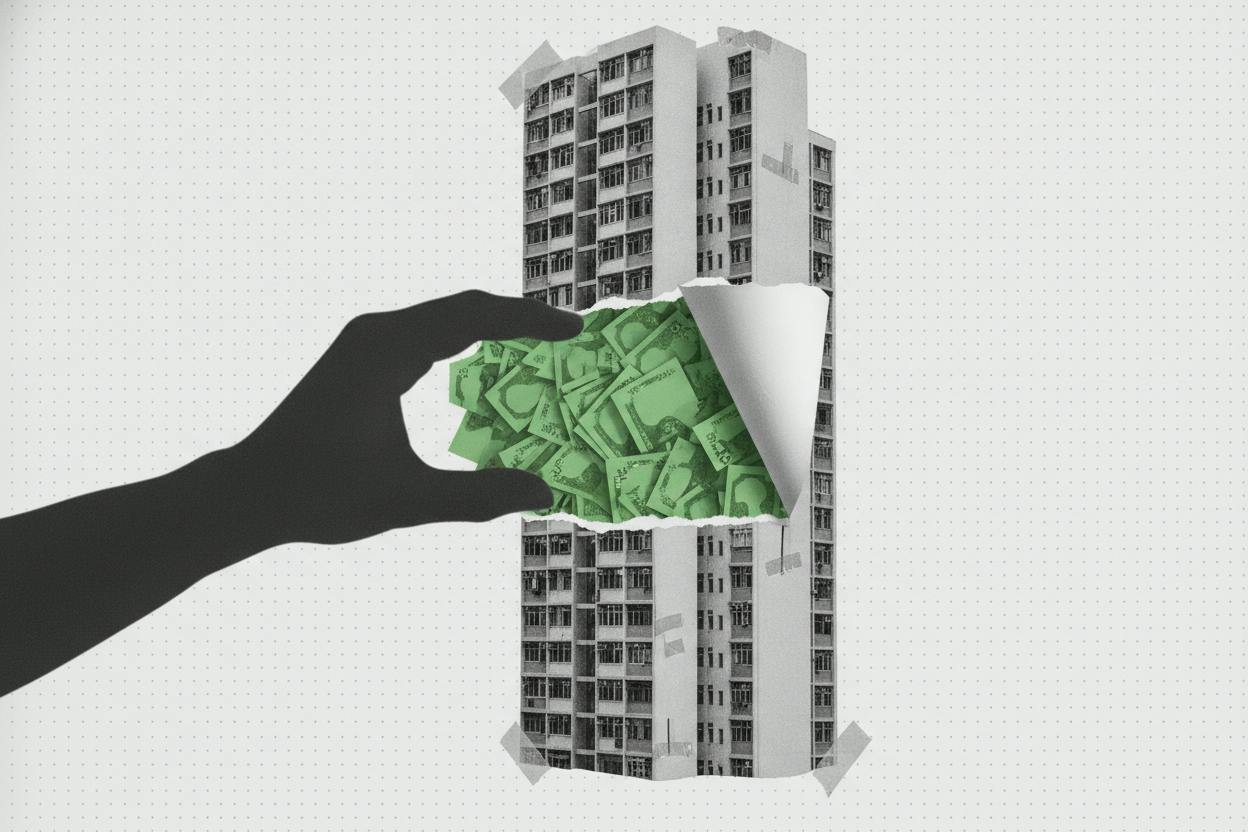
Hong Kong property developer New World Development has announced plans to raise HK$24.9 billion through a deeply discounted rights issue, a move aimed at shoring up its balance sheet during a prolonged downturn in the city's real estate market. The company's controlling shareholder has agreed to underwrite any shares not taken up by existing investors, providing a backstop for the capital raise.
Rights issues are a common way for listed companies to raise fresh capital by offering existing shareholders the right to buy new shares at a discount to the current market price. The deep discount—typically set well below the prevailing share price—is designed to encourage participation, but it also dilutes the value of existing holdings for those who do not take up their rights.
Why is New World Development raising capital?
The developer has been grappling with weak property sales and high debt levels, a challenge shared by many Hong Kong and mainland Chinese developers as the sector struggles with oversupply and tepid demand. The rights issue is part of a broader effort to reduce leverage and improve liquidity, giving the company more breathing room to manage its obligations.
New World Development's decision to turn to shareholders comes after it halted trading in its shares while it weighed the size and structure of the offering. The final amount of HK$24.9 billion is at the upper end of the range that had been flagged, underscoring the scale of the financial repositioning.
The controlling shareholder's underwriting commitment is a notable vote of confidence. It means that even if other investors shy away, the company will still secure the full amount of capital it is seeking. This type of backstop is common in rights issues, but it carries particular weight here given the family behind New World Development has a long history with the company.
What does this mean for investors?
For existing shareholders, the immediate effect is dilution. Because the new shares are offered at a discount, the value of each existing share is reduced unless the shareholder participates in the offering. Investors who do not take up their rights will see their ownership stake shrink, and the share price will likely adjust downward to reflect the increased share count.
However, the capital raise could also be seen as a positive step if it helps the company avoid more severe distress. By strengthening its balance sheet, New World Development may be better positioned to weather the property downturn and eventually benefit from a recovery. In that sense, the rights issue is a trade-off: short-term dilution for long-term stability.
Investors should also consider the broader context. Hong Kong's property market has been under pressure for several years, with prices falling and transaction volumes low. Developers have responded in various ways, from cutting costs to selling assets. Rights issues are one of the more direct methods of raising capital, but they are often viewed as a sign of financial strain.
The move also echoes similar actions by other companies in the region. For instance, First Abu Dhabi Bank's recent HK$4.1 billion rights issue was well received by the market, suggesting that investors can reward well-structured capital raises. But the reception depends on the company's prospects and the terms of the offering.
What to watch next
Key details to monitor include the exact discount, the record date for eligibility, and how existing shareholders respond. The company will also need to demonstrate that the fresh capital will be used effectively—whether to pay down debt, fund ongoing projects, or support new investments.
For everyday investors, this story is a reminder that rights issues are a double-edged sword. They can provide a company with vital funds, but they also require shareholders to make a decision: put in more money to maintain their stake, or accept dilution. Understanding the terms and the company's strategy is essential before making any move.
New World Development's rights issue is one of the largest in Hong Kong's property sector in recent years, and its success will be closely watched as a barometer of investor confidence in the city's real estate market. The company's ability to complete the raise and improve its financial position could set a precedent for other developers facing similar pressures.
As the property market continues to adjust, investors will be looking for signs of stabilization. The rights issue is a step in that direction, but it is not a cure-all. The company still faces the fundamental challenge of selling homes in a market where buyers are cautious and competition is intense.
In the meantime, the underwriting commitment from the controlling shareholder provides a degree of certainty. It signals that those closest to the company believe in its long-term prospects, even as they take steps to address immediate financial needs.
For those who hold New World Development shares, the coming weeks will be crucial. The rights issue will require a decision, and the outcome will shape the company's capital structure for years to come. For the broader market, it is another data point in the ongoing story of Hong Kong's property sector adjustment.