Nvidia delivered a forecast that beat Wall Street's expectations, helping to steady markets rattled by the sudden departure of its longtime chief executive. The chipmaker said it expects around $130 billion in revenue for the fourth quarter, a figure that came in ahead of analyst estimates and offered reassurance that demand for its AI processors remains strong even as leadership changes.
The announcement follows news that CEO Jensen Huang is stepping down, a move that had raised questions about the company's ability to maintain its breakneck pace of innovation and keep its biggest customers happy. In times of leadership transition, investors often worry about execution risk—whether a company can still deliver on its product roadmap and maintain key relationships. Nvidia's robust guidance appears designed to address those concerns head-on.
What the forecast includes
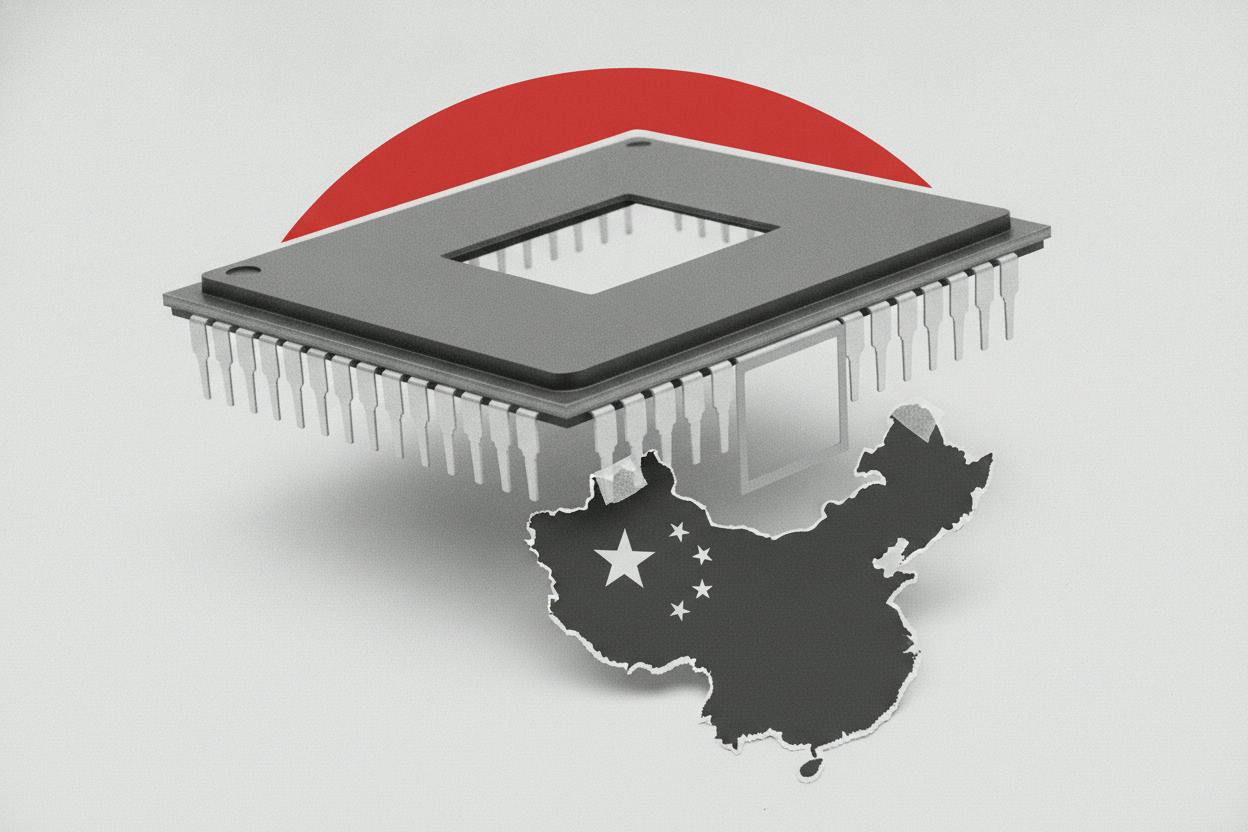
Nvidia's outlook assumes no sales of data center chips to China, according to the company. That's a significant caveat, as China has been a major market for Nvidia's high-end processors. The assumption reflects the ongoing US export controls on advanced AI chips, which have been tightening over the past year. The company also said it is factoring in restrictions on shipments through overseas data centers, a channel that had previously allowed some sales to continue.
By building its forecast on a zero-China baseline, Nvidia is essentially telling investors that it can still hit its numbers without that revenue. That's a bold statement, and it suggests the company sees enough demand from other regions—particularly from hyperscale cloud providers and enterprise customers—to offset the loss.
The move also has a strategic element. It sets a conservative baseline for analysts' models, which could reduce the risk of future earnings downgrades if US-China tensions escalate further. If any China-related sales are eventually approved or rerouted through legal channels, they would show up as upside surprises rather than missing pieces.
Leadership transition and interim CEO
With Huang stepping down, the board has named CFO Colette Kress as interim CEO while it searches for a permanent replacement, according to Reuters. Kress is a seasoned executive who has been with Nvidia for years and is well-versed in the company's financial operations and investor communications. Her appointment provides some continuity, but the search for a new leader will be closely watched.
Investors will likely focus on how smoothly Kress manages the day-to-day business and how quickly the board settles on a permanent CEO. Governance and execution will become more important than ever, as the company navigates both a leadership vacuum and a complex geopolitical environment.
The leadership change comes at a critical time for Nvidia, which has become the poster child for the AI boom. Its chips are the backbone of many AI systems, and demand has been soaring. But the company also faces increasing scrutiny from regulators and lawmakers, particularly around export controls and national security concerns. The US has been tightening chip curbs, targeting not just direct sales but also remote access and smuggling routes.
What it means for investors
For everyday investors, Nvidia's forecast is a signal that the AI trade is not collapsing, despite the leadership shakeup. The stock has been a major driver of market gains, and any sign of weakness could have ripple effects across the tech sector. The guidance suggests that the company's core business remains robust, which should help calm nerves.
However, the stock's sensitivity is likely to shift. Instead of reacting primarily to China headlines, investors will now pay closer attention to how Nvidia executes on its product roadmap and how the CEO search progresses. The company's ability to deliver enough supply of its latest AI processors and keep hyperscale customers spending will be key.
There's also the matter of broader market sentiment around AI. Nvidia's results often set the tone for the entire sector, and a strong forecast could help sustain momentum. But the leadership transition adds an element of uncertainty that won't disappear overnight.
For now, the $130 billion guide provides a floor for expectations. It tells investors that even in a worst-case scenario for China, Nvidia can still grow. That's a powerful message, and it may be enough to keep the stock supported while the board searches for a new CEO.
As always, it's important to remember that past performance is not a guarantee of future results. Nvidia's situation is unique, and the outcome of the CEO search will be a major factor in how the company performs in the coming months. Investors should keep an eye on governance developments and any updates on export policy, as both could move the stock.
In the meantime, the company's forecast offers a measure of stability in a turbulent period. Whether that stability holds will depend on how well Nvidia can execute without its longtime leader at the helm.