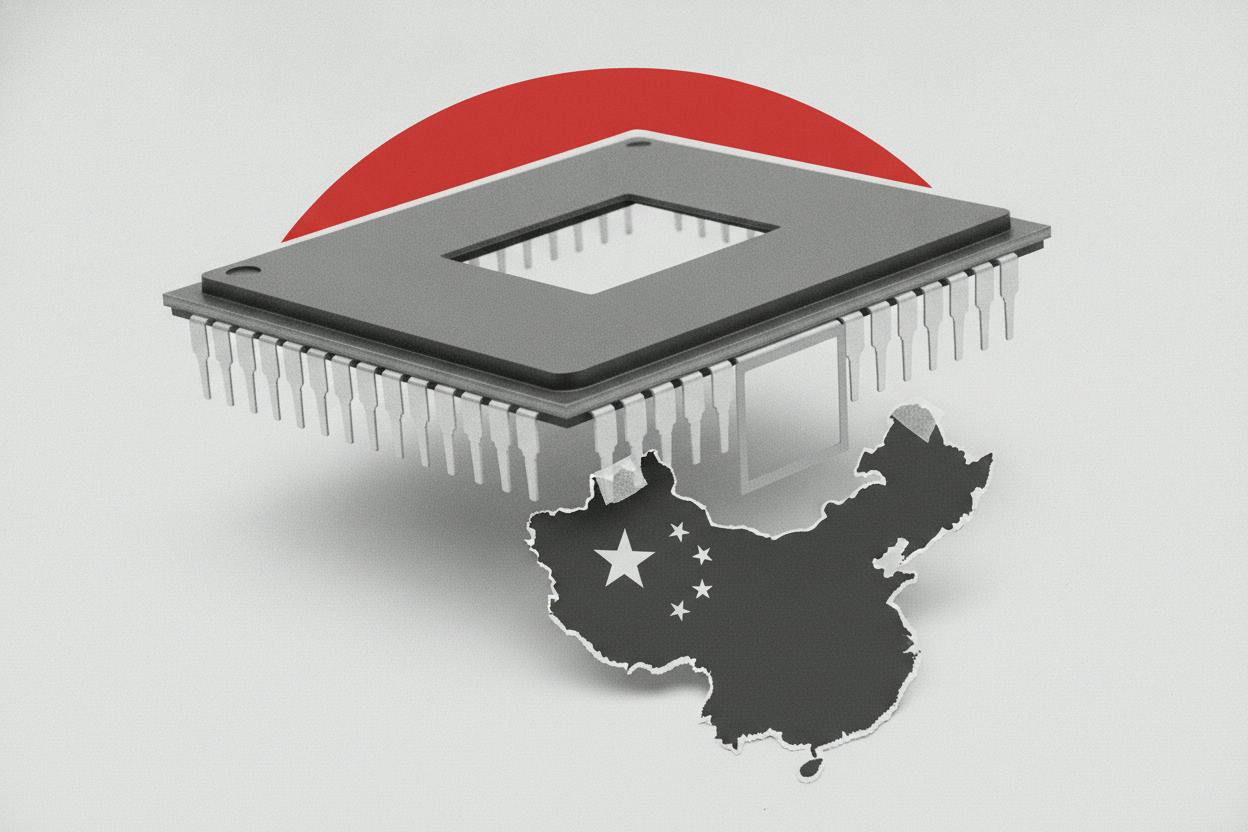
The United States has tightened its grip on China's access to advanced artificial intelligence chips, imposing new licensing requirements that take effect Monday. The rules target not just direct shipments but also the workaround routes that Chinese companies have used to obtain Nvidia's most powerful processors.
Under the new restrictions, US licenses will be required for overseas data centers that use Nvidia chips to provide significant computing power to Chinese companies. Separate licenses will also be needed for shipping Nvidia chips to Singapore, Malaysia, Thailand, Indonesia, and Brazil—countries that have become known transit points for chip smuggling into China.
The move is the latest escalation in a long-running technology war between Washington and Beijing. The US has repeatedly expanded export controls on advanced semiconductors, arguing that they are vital to national security because they can be used to train sophisticated AI models with military applications.
Why the timing matters
The new rules land just days before Chinese and American presidents are scheduled to meet at an economic summit. That meeting was expected to ease tensions after months of friction over trade, technology, and tariffs. The timing of these restrictions threatens that fragile truce, potentially complicating negotiations.
China, however, holds a significant bargaining chip of its own: control over critical minerals and rare earth metals that are essential for US electronics and defense manufacturing. These materials are used in everything from smartphones to jet engines, and China dominates their global supply chain.
The restrictions also come on the heels of a scandal involving Nvidia's former CEO, who reportedly had an affair with a former executive at a Singaporean cloud provider. US officials suspect that executive of spying for China, adding a personal dimension to the policy debate.
What this means for Chinese AI
China's domestic chipmakers still trail Nvidia significantly in performance and capability. As a result, Chinese AI companies have relied heavily on overseas data centers to access the computing power they need. They have also turned to smuggled Nvidia chips—a practice that has become an open secret in the industry and is reportedly highly profitable.
Analysts estimate that a third of China's AI computing capacity could come from remote access to overseas data centers next year, with another 7% coming from smuggled chips. These new restrictions could significantly dent those numbers, slowing China's AI ambitions and giving American AI labs some breathing room.
Investors have already reacted. On Tuesday, Chinese AI developers and cloud provider stocks fell, with tech giant Alibaba dropping 5%.
Data centers and the AI buildout
Beyond the geopolitical implications, these restrictions could have a significant impact on the companies building the infrastructure that powers the AI boom. Data center operators that have been counting on Chinese customers could lose major revenue streams, making their projects riskier to finance.
This comes at a delicate time for the AI sector. A recent selloff in AI-related stocks and growing concerns about a bubble have already made lenders more cautious about financing data center projects. The new restrictions could tighten that financing further.
The AI buildout is expected to require around a trillion dollars in investment next year. If financing becomes harder to secure, that could slow the expansion of infrastructure and, in turn, the revenue growth that depends on it.
For everyday investors, the key takeaway is that the AI trade is no longer just about chipmakers. It's also about the companies that build and finance the data centers that make AI possible. Any disruption to that ecosystem—whether from regulation, geopolitics, or financing—can ripple through the entire sector.
As the situation develops, investors will be watching closely for how Nvidia and other chipmakers adapt, how China responds, and whether the upcoming summit between the two presidents can ease tensions. The outcome could shape the trajectory of the AI industry for years to come.