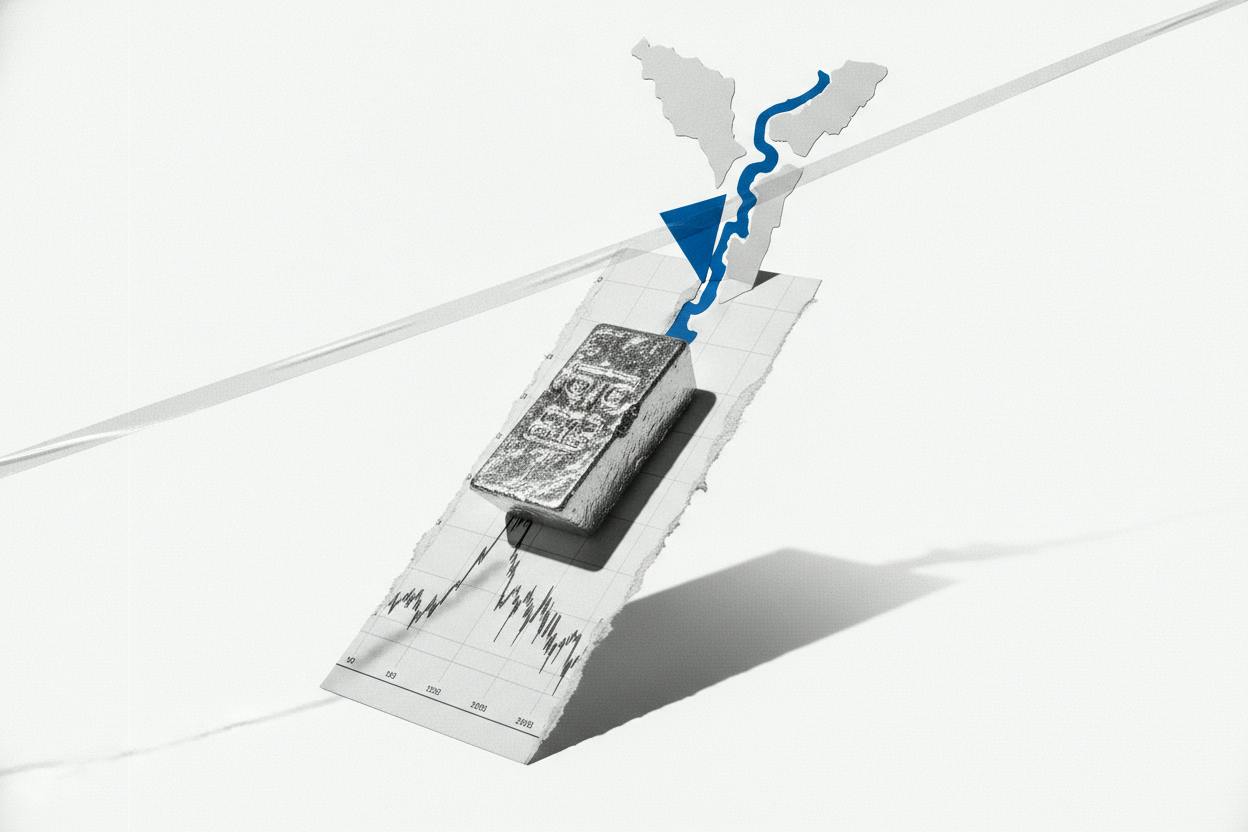
Aluminum prices slipped to their lowest level since late July on Tuesday, as a firmer US dollar and renewed attention on US-Iran talks prompted traders to reassess the risk of supply disruptions from the Gulf region.
Three-month aluminum on the London Metal Exchange (LME) briefly touched $3,141 a metric ton, its weakest since July 28, before paring some losses. The move reflects a combination of geopolitical and macro factors that have shifted the outlook for the metal in recent sessions.
Why Gulf shipping matters for aluminum
The Gulf is a critical producing and shipping region for aluminum, with major smelters and export routes passing through the Strait of Hormuz. Any threat to that waterway can quickly push up prices, as buyers scramble to secure nearby supply. Conversely, when the odds of a disruption fall, the premium that traders are willing to pay for "secure" delivery tends to shrink.
That dynamic is playing out now. As markets watch US-Iran talks, there is growing speculation that diplomatic progress could keep the strait open and allow material to flow more freely. BNP Paribas, a French bank, noted that any news "towards reopening the strait" could weigh on prices by improving material flows.
In other words, Tuesday's drop is less about a sudden collapse in demand and more about traders stripping out a supply-risk premium that had built up during earlier tensions.
The dollar and Treasury yields add pressure
Macro forces are leaning in the same direction. A stronger US dollar makes commodities priced in dollars more expensive for buyers using other currencies, which tends to dampen demand. Higher US Treasury yields, meanwhile, can cool risk appetite across financial markets, including metals.
The dollar has been firm recently, with long-term yields climbing, as investors adjust their expectations for interest rates. That backdrop has been a headwind for a range of commodities, not just aluminum. For example, gold has also been heading for a monthly drop as rate-cut bets fade, and the dollar has held near a two-month high as yields climb.
For aluminum, the combination of a stronger dollar and elevated yields reinforces the downward pressure from the geopolitical news. But it also means the move is more about financial conditions than about a fundamental shift in supply or demand.
What to watch next: the plumbing of the market
For investors, the headline price is only part of the story. If Gulf transit fears ease further, the first place to see it is often not the outright $/ton price but the market's plumbing.
Physical premiums—the extra paid over the exchange price for metal delivered to a specific region—can soften as traders stop hoarding nearby units. Similarly, LME time-spreads, which measure the price gap between immediate delivery and three-month contracts, can narrow as the urgency to secure near-term supply fades.
So the next clue for metals desks may be whether those near-term signals relax as headlines on US-Iran talks and shipping access evolve, even if the outright price remains choppy.
What it means for everyday investors
For most people, aluminum isn't a direct holding, but it matters indirectly. Aluminum is used in everything from cars and planes to beverage cans and building materials, so its price can influence the cost of goods and the profit margins of companies that use it.
For investors in industrial metals or mining stocks, the key takeaway is that the current weakness is largely a supply-risk repricing, not a sign of collapsing demand. If geopolitical tensions ease further, prices could stay under pressure. But if talks stall or shipping risks resurface, the premium could quickly return.
As always, it's worth keeping an eye on the broader macro picture. A firmer dollar and higher yields tend to weigh on commodities, but those trends can reverse quickly if economic data or central bank signals shift. For now, the market is watching both the diplomatic headlines and the financial data for clues about where aluminum heads next.