Aluminum prices slipped on Tuesday, hitting their lowest level in over a month, as a surge in Chinese exports eased worries about global supply shortages. The move comes even as geopolitical tensions in the Middle East continue to simmer in the background.
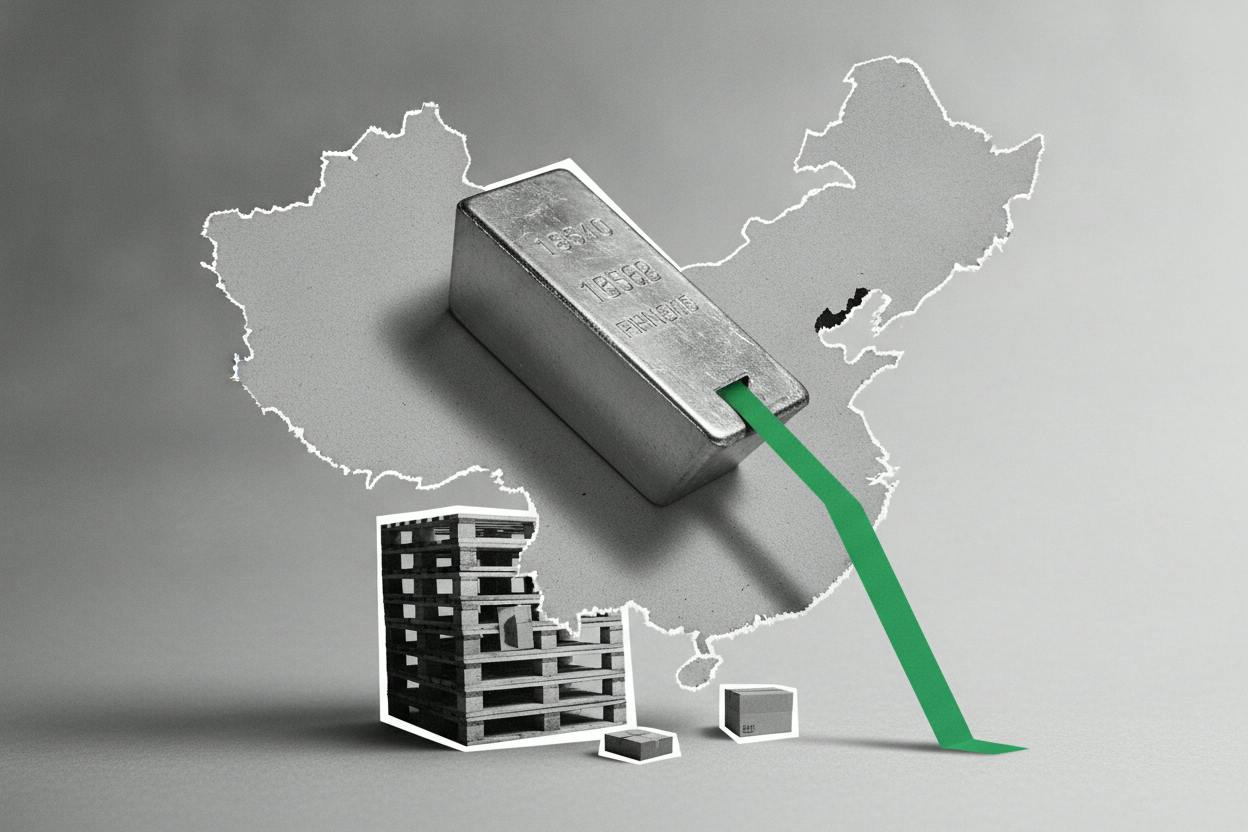
Three-month aluminum on the London Metal Exchange (LME) fell 1.4% to about $3,025 a metric ton, after touching $3,004 earlier in the session—its lowest since October 23. The immediate trigger was fresh data showing China shipped 18% more aluminum and aluminum products abroad in the first 10 months of 2026, totaling 5.9 million tons. That adds more metal to global markets just as some Middle East capacity has restarted faster than expected and new output is coming online from Indonesia.
Why prices are falling
The export data is the latest sign that the market's earlier fears of a shortage may be overblown. For much of 2026, aluminum prices were buoyed by concerns that supply disruptions—from sanctions, energy costs, or geopolitical tensions—would leave buyers scrambling for metal. But the steady flow of Chinese exports, combined with restarts and new projects, is now helping to fill the gap.
Prices are down 21% from a four-year high reached in June, as the so-called "scarcity narrative" weakens. That's a big shift for a metal used in everything from cars and planes to beverage cans and power lines.
Still, the market isn't out of the woods. LME available inventories stand at just 207,525 tons, the lowest since March 2025. That's a thin cushion if demand picks up or supply hiccups occur. And the cash price is trading at a $94-a-ton premium over the three-month contract—the widest since June. That's a sign that buyers are willing to pay extra for metal that can be delivered immediately, a classic symptom of tight near-term supply.
What the cash premium tells us
That $94-a-ton premium is the real signal to watch, according to analysts at ANZ, an Australia-based bank. When cash aluminum trades that far above the three-month contract, it means the market is effectively charging a premium for prompt delivery. That usually happens when visible stockpiles are low, because manufacturers and traders who need metal now have to bid up the nearest contract, while those holding inventory are rewarded for releasing it immediately rather than storing it.
The upshot is that supply news—more exports from China, restarts in the Middle East, or ramp-ups in Indonesia—can still pull the benchmark price lower. But tightness can reappear quickly in the cash-versus-three-month spread, even if the headline price looks range-bound around $3,000.
ANZ argues this mix can keep aluminum jumpy, with stress showing up first in those near-term spreads. For investors in miners, smelters, and metals trading firms, that means day-to-day risk may show up in volatility and hedging costs even when the headline price seems stable.
What it means for investors
For everyday investors, the aluminum market's moves matter in a few ways. First, aluminum is a key input for many industries, so lower prices can be a tailwind for manufacturers and consumers of the metal—think aerospace, automotive, and construction companies. On the flip side, miners and producers that benefit from high prices may see their margins squeezed.
Second, the widening cash premium is a reminder that commodity markets can be volatile in ways that don't always show up in the headline price. If you hold shares in companies exposed to aluminum, it's worth paying attention to these spreads as a gauge of underlying tightness.
Finally, the broader backdrop of Chinese exports is worth watching. China is the world's largest aluminum producer, and its export levels have a big influence on global prices. As we've seen with other commodities like cocoa prices sliding, supply and demand shifts can move markets quickly.
For now, the market seems to be saying that the worst of the supply fears are over—but that doesn't mean calm seas ahead. With inventories still low and the cash premium wide, aluminum could remain a bumpy ride for traders and investors alike.