October's US inflation report came in a bit hotter than expected, and traders quickly shifted to pricing in another Federal Reserve rate hike in December. The Consumer Price Index (CPI) rose 0.4% last month, down from September's 0.6% but above the 0.3% economists had forecast. Core CPI, which strips out volatile food and energy prices to show the underlying trend, also rose 0.3% for a second straight month—again beating expectations.
That matters because it suggests inflation isn't just about gas prices or other swing factors. Even with energy costs cooling, the core measure shows price pressures are still embedded in the economy. The Fed's target is 2% annual inflation, and the latest readings remain well above that, keeping the central bank under pressure to act.
What the data means for the Fed
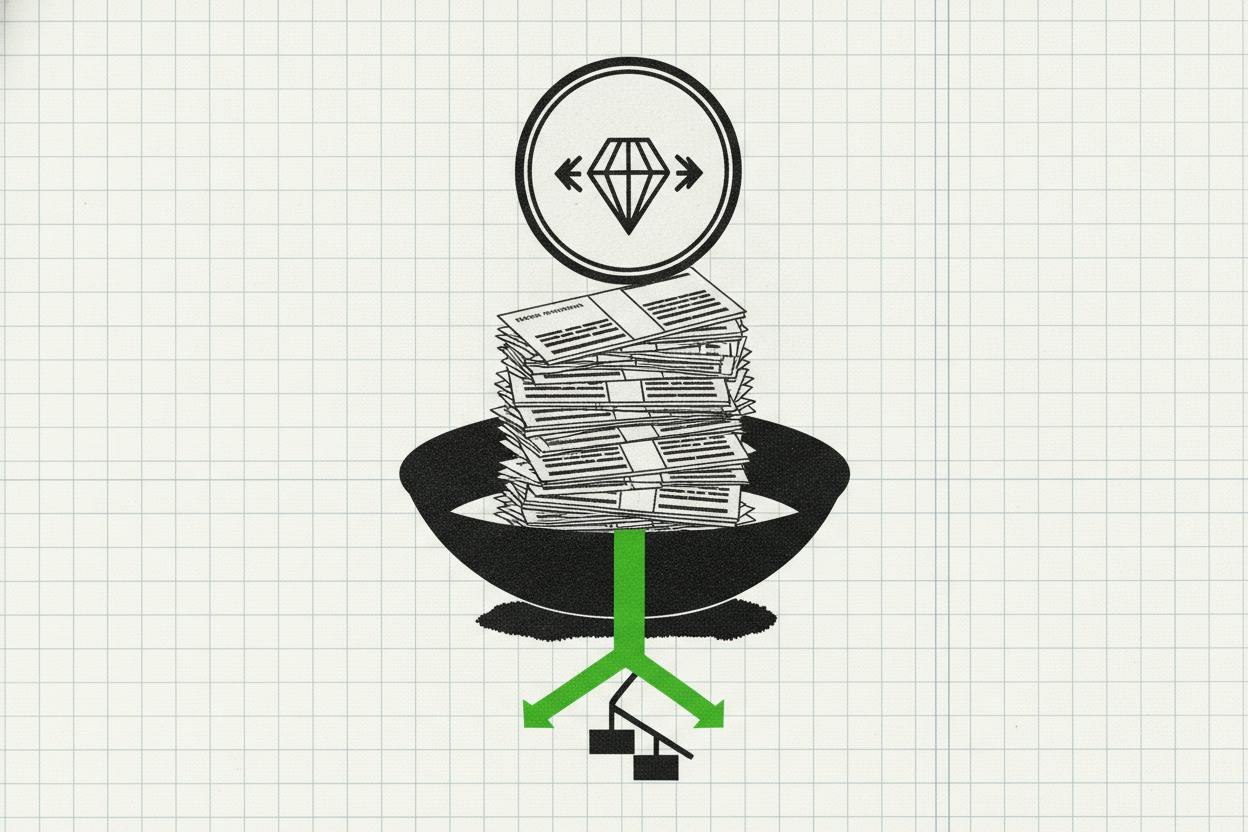
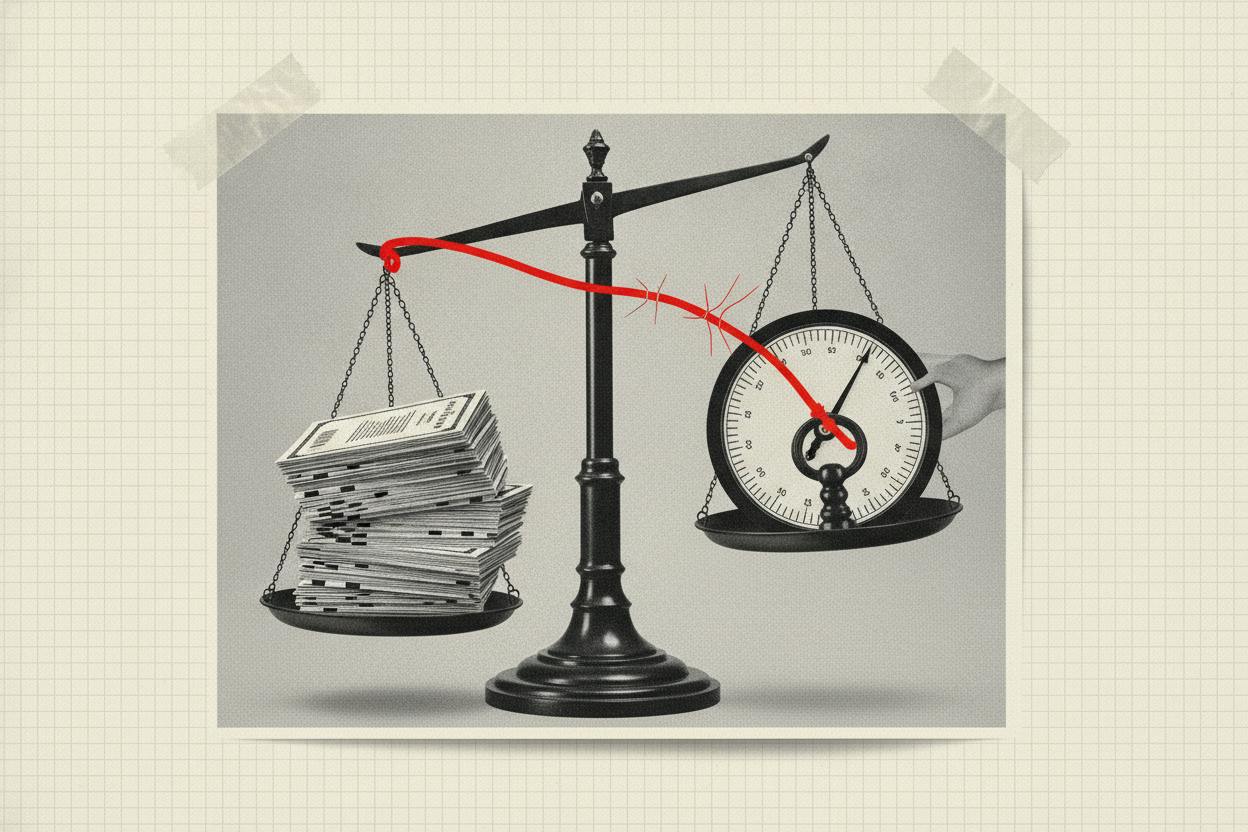
After holding its benchmark rate at 3.75%-4.00% last month, the Fed is now widely expected to raise it by a quarter percentage point at its December meeting. Markets early Tuesday fully priced in that move, meaning investors see it as all but certain. The main things that could stop it, economists argue, are a sharp stock sell-off or a noticeable widening in corporate-bond spreads—both of which could tighten financial conditions on their own and reduce the need for the Fed to act.
This isn't just about one meeting. The Fed has been on a tightening path for over a year, trying to cool the economy without triggering a recession. Each rate hike raises borrowing costs for consumers and businesses, from credit cards and mortgages to corporate loans. The December decision will hinge on whether inflation continues to moderate or shows signs of staying stubbornly high.
What it means for investors
Once a hike is fully priced in, the question becomes less “will the Fed move?” and more “what breaks first?” Higher expected policy rates usually lift short-dated Treasury yields, which tightens financial conditions across the economy. That can ripple into stocks, especially growth and tech shares that are sensitive to higher discount rates. It also raises the cost of borrowing for companies, which can squeeze profit margins and slow hiring.
The stress often shows up fastest in corporate credit. When borrowing costs rise and refinancing gets harder, investors typically demand extra yield to hold company debt, and those gaps over Treasuries—known as credit spreads—can widen. If spreads in investment-grade and high-yield bonds start to blow out, they can act like a circuit breaker for the Fed, because tighter credit can slow hiring and spending quickly enough to change the policy calculus.
For everyday investors, the key takeaway is that inflation is still running too hot for the Fed's comfort, and that means interest rates are likely to stay higher for longer. That has implications for bond portfolios, where yields are rising, and for stock valuations, which may face headwinds. It also affects anyone with variable-rate debt, like credit cards or adjustable-rate mortgages, as those rates tend to follow the Fed's moves.
Some investors had hoped the Fed might pause after its October hold, but Tuesday's data dashed those hopes. The question now is whether the Fed will follow through in December or wait for more evidence. Either way, the path of inflation remains the single biggest driver of market moves in the coming weeks.
As always, it's worth remembering that markets react to surprises. The fact that October's CPI came in above forecasts is what shifted expectations so quickly. If November's data surprises to the downside, the December hike could still be called off. But for now, the odds are firmly in favor of another increase.
For those watching the broader picture, the Fed's decisions also interact with global trends. For instance, Asian markets have been rallying on tech momentum while oil prices slide, which could help ease some inflation pressures. But the core CPI reading suggests that even if energy costs fall, underlying price growth remains sticky.
Investors will also be watching the Fed's own communications. Fed Governor Christopher Waller has already voiced support for a December hike, and other officials may follow suit in the coming days. The central bank's preferred inflation gauge, the PCE index, is due later this month and could provide further clues.
In the meantime, the bond market is doing the heavy lifting. Short-term Treasury yields have risen as traders lock in expectations for higher rates, and that's already feeding into mortgage rates and other consumer borrowing costs. For investors, that means cash and short-dated bonds are offering more attractive yields than they have in years, while longer-dated bonds carry more uncertainty.
The bottom line: October's CPI report was a reminder that the inflation fight isn't over. The Fed is likely to keep raising rates until it sees convincing evidence that price pressures are easing. That could mean more volatility in stocks and bonds, but also better returns for savers who are finally getting paid to hold cash.