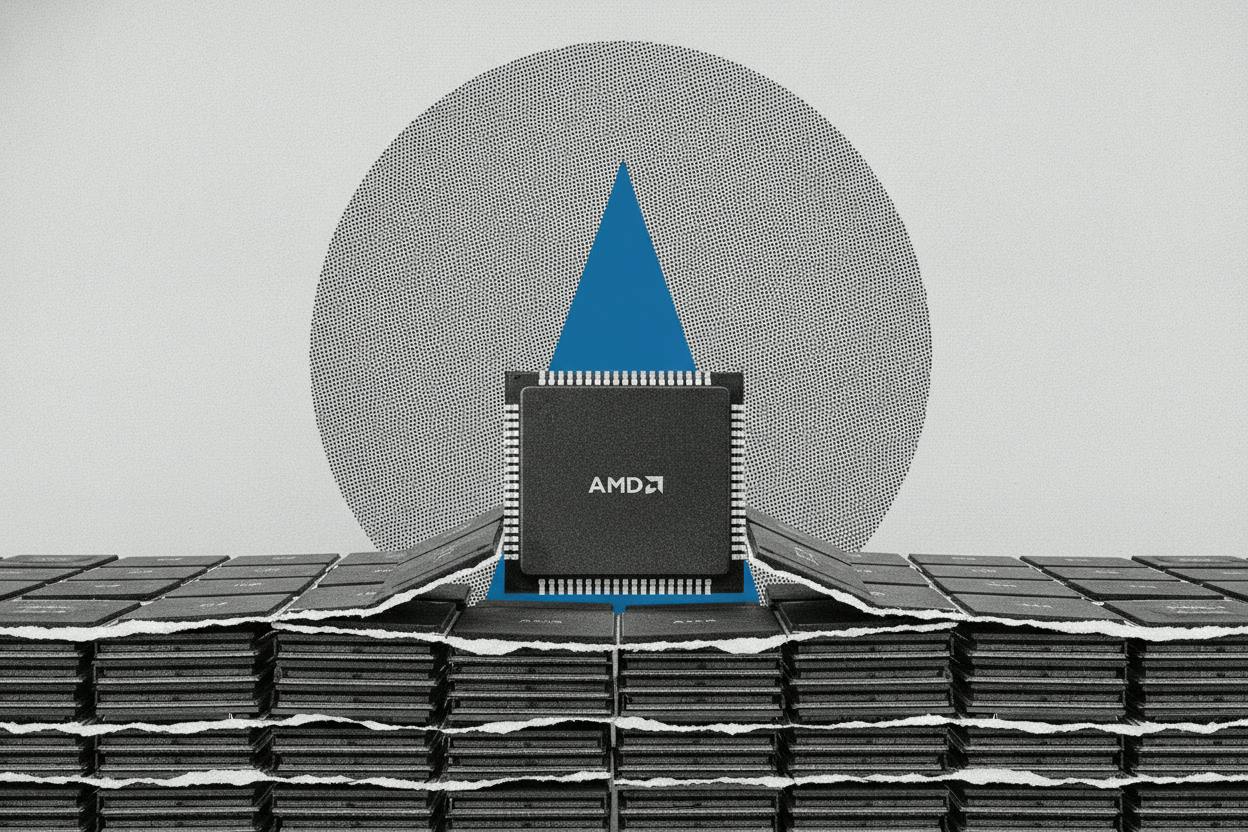
Advanced Micro Devices (AMD) is making a big promise to the market: it will substantially increase its supply of AI chips next year. CEO Lisa Su made the announcement at a media briefing in Taipei, and the news helped push semiconductor-linked tech exchange-traded funds (ETFs) higher in premarket trading Tuesday.
The statement is a direct response to the explosive demand for artificial intelligence hardware, which has outpaced what chipmakers can currently produce. For months, the industry has been grappling with shortages, and AMD is signaling it intends to be a major player in meeting that demand.
What's driving the demand?
AI systems, from chatbots to data centers, rely on powerful chips to process vast amounts of data. As companies across industries race to adopt AI, the need for these chips has skyrocketed. AMD's main rival, Nvidia, has been the dominant supplier, but AMD has been working to carve out a larger share of this lucrative market.
Su's comments suggest that AMD is confident it can ramp up production to meet the surge. The company's stock rose more than 2% in premarket trading, reflecting investor optimism that AMD can turn this demand into actual shipments and revenue.
This isn't just about one company, though. The broader tech sector has been closely tied to AI sentiment. When chipmakers signal strong demand, it often lifts the entire sector, as seen in the premarket gains for tech ETFs. Investors are watching to see if the AI boom is sustainable, and AMD's commitment to increasing supply is a positive sign.
What it means for investors
For everyday investors, this news is a reminder of how central AI has become to the stock market's performance. Tech ETFs, which hold a mix of companies like AMD, Nvidia, and others, are often seen as a way to bet on the AI trend without picking individual winners.
But it's important to understand the dynamics at play. When supply is tight, chipmakers can charge premium prices, which boosts their profits. If AMD follows through on its promise to increase supply, it could help ease shortages, but it might also lead to more competition and potentially lower prices over time.
That shift could affect profit margins across the industry. For now, though, the market is cheering the news, seeing it as a sign that AMD is serious about competing in the AI space.
Investors should also keep an eye on the broader economic backdrop. The AI boom has been a key driver of tech stock gains, but it's happening against a backdrop of high interest rates and concerns about a potential slowdown. If AI demand remains strong, it could help offset some of those headwinds.
Looking ahead
AMD's announcement is just one piece of the puzzle. The company has previously said it plans a major ramp-up by 2027, and this latest comment suggests it's moving faster than originally expected. The market will be watching for more details on production capacity and customer commitments in the coming months.
For those invested in tech ETFs, the news is a positive signal, but it's not a reason to make drastic changes. As always, it's wise to maintain a diversified portfolio and not put all your eggs in one basket, especially in a sector as volatile as tech.
The AI chip race is far from over, and AMD's promise to increase supply is a significant development. Whether it can deliver on that promise will be a key story to watch in the coming year.