Advanced Micro Devices (AMD) gave investors a reason to cheer this week, forecasting about $13 billion in revenue for the third quarter. The upbeat outlook comes as demand for AI data-center chips remains robust, even though a key manufacturing bottleneck hasn't fully cleared.
The company's forecast topped Wall Street's expectations, and its second-quarter results also came in ahead of estimates. The numbers suggest AMD's push into AI hardware is finally translating into meaningful sales growth, a development that could reshape the competitive landscape in the booming AI chip market.
What's driving the demand?
The AI boom has triggered a massive build-out of data centers worldwide. These facilities need specialized chips to train and run large language models and other AI applications. AMD, a US-based chip designer, has been trying to capture a bigger slice of this market with its MI-series accelerators—chips designed specifically for AI workloads—and the server processors that typically sit alongside them.
According to Reuters, AMD is also selling more complete AI systems, bundling its processors with networking gear and other hardware. This move offers customers a more plug-and-play alternative to the integrated setups from Nvidia, the current market leader. By providing a full package, AMD aims to simplify deployment for companies that may lack the engineering resources to piece together components from multiple vendors.
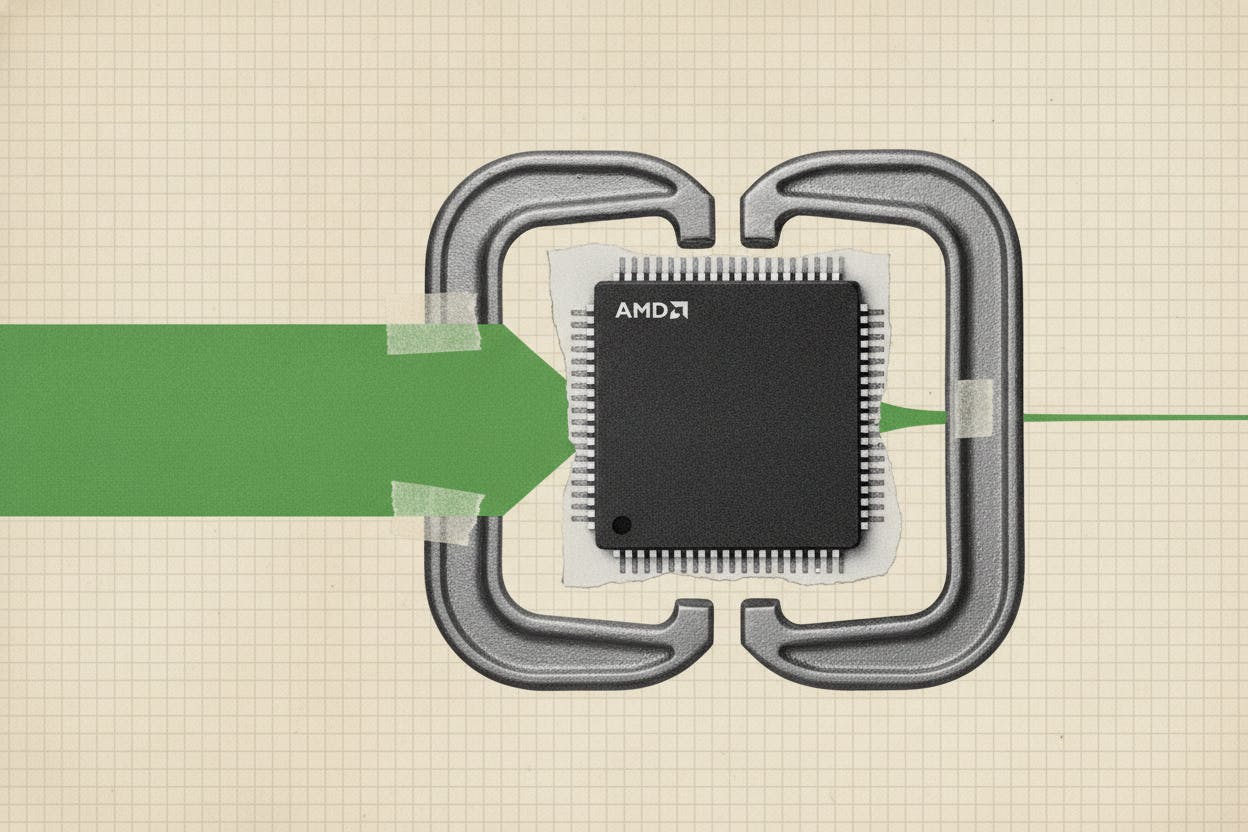
The demand is so strong that it's overcoming a persistent constraint: TSMC's advanced packaging capacity. TSMC, the world's largest contract chipmaker, produces many of the most advanced chips for AMD and others. Packaging—the process of connecting multiple chips into a single module—has become a bottleneck for AI chip supply. Despite this, AMD's forecast suggests it can still meet enough demand to drive growth.
What this means for investors
For everyday investors, AMD's numbers are a signal that the AI trade isn't just hype. The company's ability to raise its outlook despite supply chain challenges indicates that AI spending by cloud providers and enterprises remains strong. This could bode well for the broader semiconductor sector, which has been a key driver of market gains over the past year.
However, it's important to keep perspective. AMD is still a distant second to Nvidia in the AI chip market, and the competitive dynamics could shift quickly. Investors should also watch how the TSMC packaging constraint evolves, as it could limit AMD's ability to fully capitalize on demand in the near term.
The company's move toward selling full AI systems is a strategic bet that could pay off if customers value simplicity. But it also means AMD is taking on more responsibility for system integration, which could introduce new risks if components fail or if customers encounter compatibility issues.
Broader market context
AMD's strong forecast comes amid a mixed earnings season. While some companies have beaten expectations, others have warned of softening demand. The resilience of AI-related spending stands out as a bright spot, echoing trends seen in other tech earnings. For instance, consumer spending has held up, but the tech sector's growth is increasingly tied to AI infrastructure investments.
Investors have also been watching for signs that the AI boom might be cooling. AMD's results suggest that, at least for now, the appetite for AI chips remains strong. This could provide some support for tech-heavy indices, which have been volatile in recent weeks.
Still, the tight packaging capacity at TSMC is a reminder that the supply chain remains fragile. Any disruption could quickly turn the tide. Investors should keep an eye on TSMC's own earnings and capacity expansion plans, as they will likely influence AMD's ability to sustain its growth trajectory.
The bottom line
AMD's forecast of about $13 billion in third-quarter revenue is a clear sign that its AI strategy is gaining traction. The company is not just talking about AI—it's delivering on it. For investors, this is a positive development, but it's not without risks. The competitive pressure from Nvidia, the packaging bottleneck, and the broader economic environment all remain factors to watch.
As always, it's wise to consider how any single company's news fits into your overall portfolio. AMD's results are encouraging for the tech sector, but they don't guarantee future performance. Diversification and a long-term perspective remain key principles for any investor.