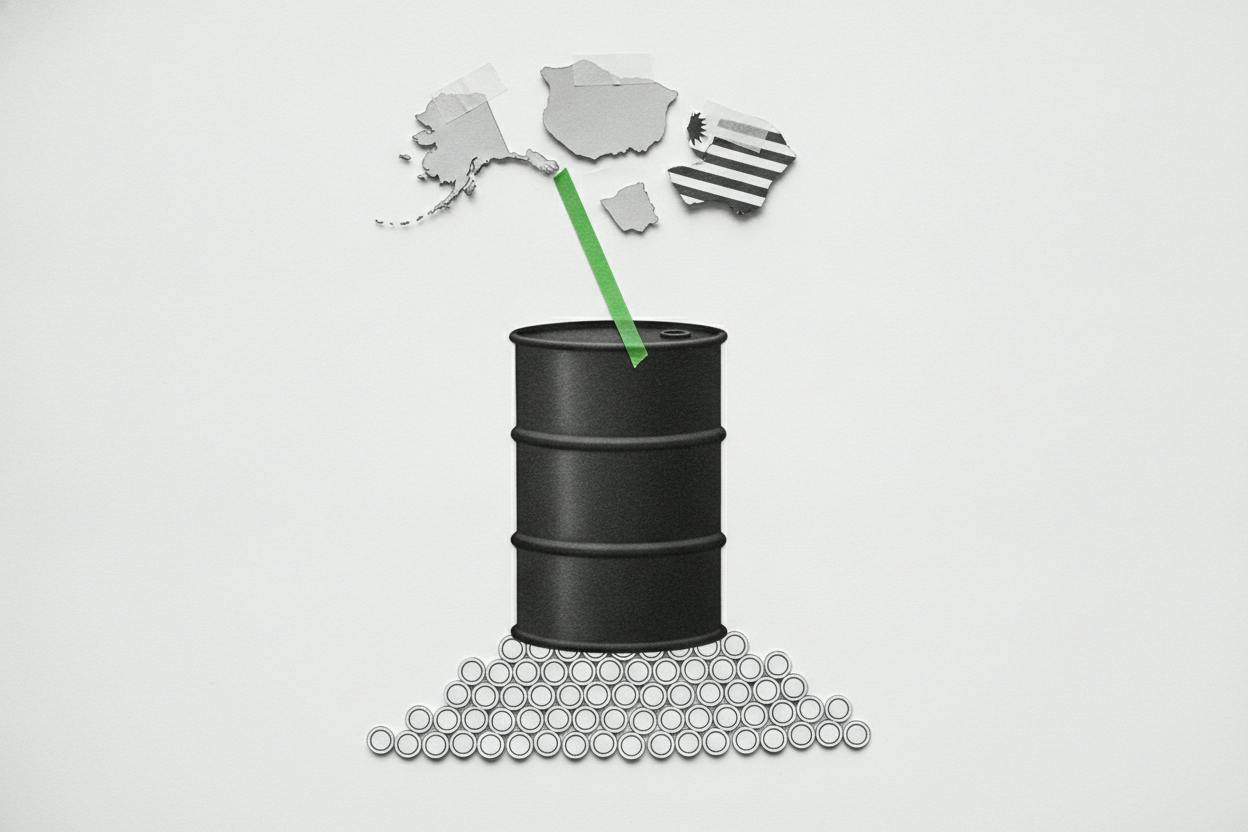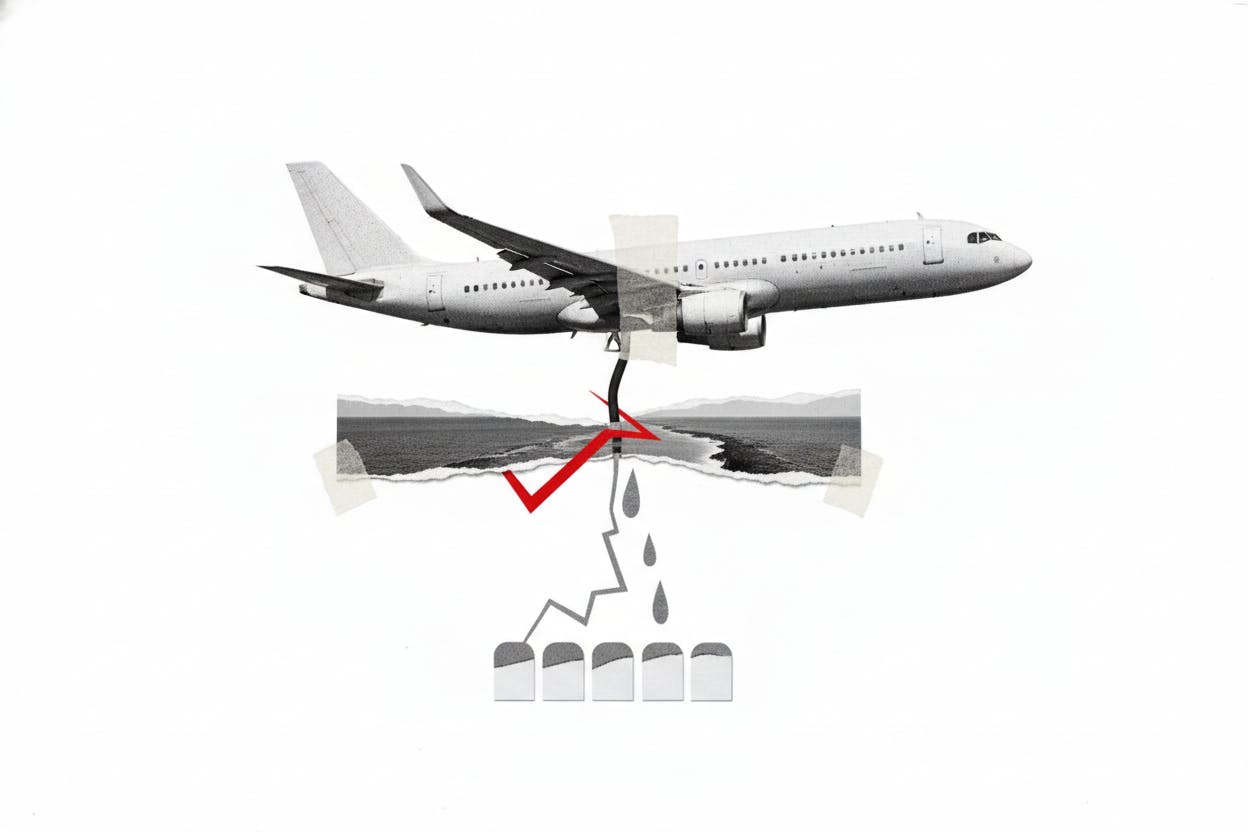
American Airlines has slashed its full-year profit outlook, blaming a sharp rise in fuel costs tied to escalating tensions between the United States and Iran. The carrier now expects adjusted earnings per share (EPS) for the year to range from a loss of 65 cents to a profit of 65 cents, a dramatic downgrade from its previous guidance.
Jet fuel is one of the largest expenses for airlines, and when oil prices spike, it directly eats into profitability. The recent uptick in crude prices follows renewed military confrontations in the Middle East, a region that supplies a significant portion of the world's oil. For everyday investors, this is a reminder of how geopolitical events can ripple through the stock market, hitting industries like airlines that are highly sensitive to input costs.
Why Fuel Costs Matter for Airlines
Airlines operate on thin margins, and fuel typically accounts for 20% to 30% of operating expenses. When oil prices rise, carriers have limited options: they can raise ticket prices, hedge fuel costs in advance, or absorb the hit. American Airlines' revised forecast suggests it expects to absorb much of the pain, at least in the near term.
The situation is not unique to American. Other carriers have also faced headwinds from rising fuel costs. For example, Indian low-cost carrier IndiGo recently posted a ₹3.82 billion loss as jet fuel costs surged 86% and the rupee weakened. While the scale and geography differ, the underlying pressure is the same: higher fuel costs erode profitability across the industry.
What This Means for Investors
For investors holding airline stocks, this profit warning is a clear signal to watch oil prices and geopolitical developments closely. American Airlines' wide guidance range—from a loss to a small profit—reflects deep uncertainty about where fuel costs will settle. If tensions in the Middle East escalate further, oil could climb higher, putting more pressure on the company's bottom line.
It's also worth noting that airlines have been grappling with other challenges, including labor shortages, maintenance costs, and fluctuating demand. While travel demand has rebounded strongly after the pandemic, cost inflation has kept margins under pressure. American's outlook suggests that even with strong demand, rising expenses can quickly offset revenue gains.
Investors should also consider that airlines often use fuel hedging to lock in prices, but those hedges can be costly and may not fully protect against sudden spikes. The fact that American felt compelled to cut guidance indicates that its hedging strategy may not have been sufficient to shield it from the latest surge.
Broader Market Context
The impact of higher oil prices extends beyond airlines. Energy companies, by contrast, often benefit from rising crude prices, as seen in the broader market's mixed reactions. For instance, West Pharmaceutical lifted its 2026 outlook on strong demand for its products, showing that some sectors remain insulated from energy shocks. But for industries like transportation, manufacturing, and logistics, higher fuel costs are a headwind.
Geopolitical risks are notoriously hard to predict, but investors can prepare by diversifying their portfolios. Holding a mix of sectors—such as energy, healthcare, and technology—can help cushion the blow when one area, like airlines, faces headwinds. The recent Stora Enso shares slide of 11% after a Q2 profit miss is another example of how company-specific and macro factors can combine to hit stocks.
What to Watch Next
Investors should keep an eye on oil prices in the coming weeks, as well as any diplomatic developments in the US-Iran conflict. If tensions de-escalate, fuel costs could ease, potentially allowing American Airlines to recover some of its lost ground. Conversely, further escalation could lead to additional profit warnings across the airline sector.
American's next quarterly earnings report will be closely watched for signs of whether the company can manage costs effectively. The wide guidance range suggests management is bracing for volatility, and investors should expect more of the same in the near term.
For those looking at the broader market, the airline's troubles are a case study in how external shocks can disrupt even well-run companies. While American's stock may be under pressure, the key for investors is to understand the risks and avoid overconcentration in any one sector.